voyage planning
3 stories filed under voyage planning on World Data Ocean. The newest of them: “A calibrated course correction of less than 1% fuel cost protects whale sharks”, “Analyzing Marine Casualties: Insights for Safer Seas from NTSB’s Digest”, and “Enhanced Vessel Monitoring Launched Amidst Gulf of Oman Maritime Concerns”. A calibrated course correction of less than one percent in fuel cost protects whale sharks. Every maritime casualty carries a lesson, and the NTSB's 2025 Safer Seas Digest turns those lessons into actionable foresight. A Global Hub for Ocean Intelligence 4 World Data Ocean is a centralized digital platform where researchers, scientists, and ocean enthusiasts converge to… The list below is every voyage planning story on World Data Ocean, newest first.
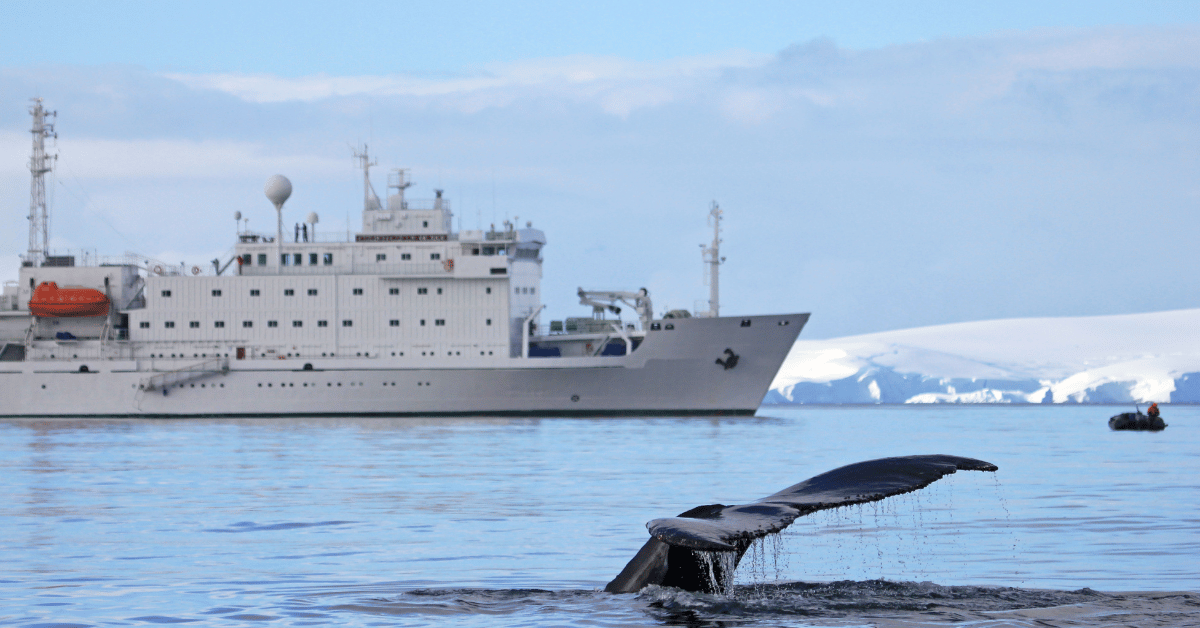
A calibrated course correction of less than 1% fuel cost protects whale sharks
A calibrated course correction of less than one percent in fuel cost protects whale sharks. Rerouting ships to avoid these gentle giants is an empirically validated, low-cost intervention, proving that maritime commerce and conservation are not opposing forces. This is measurable, actionable ocean intelligence. For deeper context on how real-time data flows enable such precision, see our coverage of the PACE satellite's daily ocean color data.
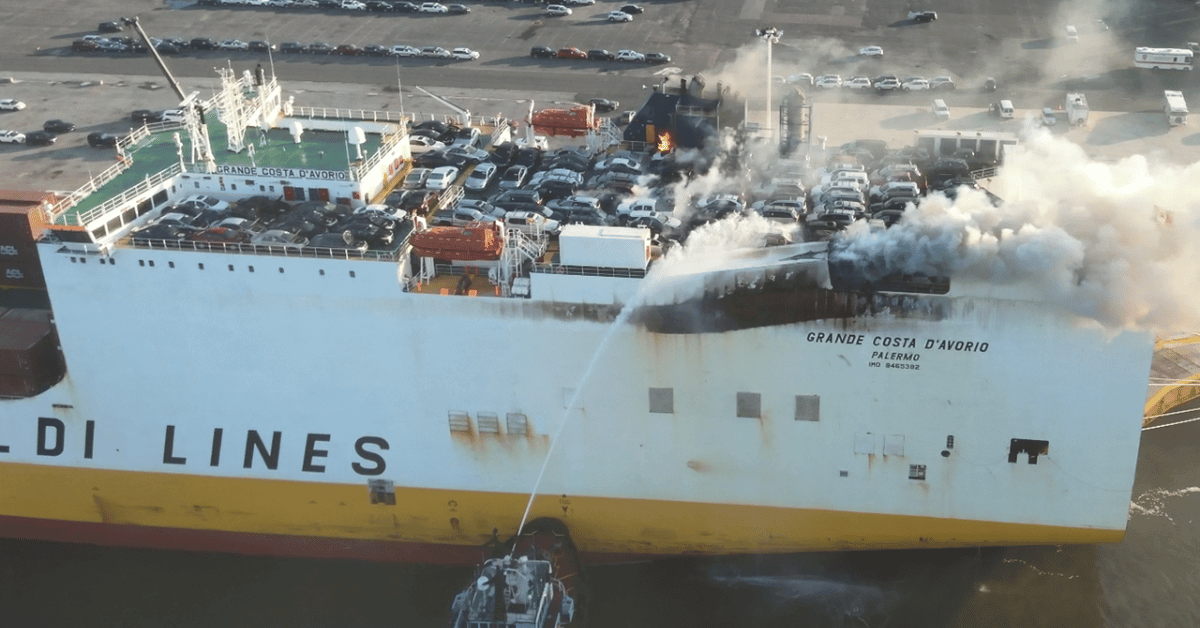
Analyzing Marine Casualties: Insights for Safer Seas from NTSB’s Digest
Every maritime casualty carries a lesson, and the NTSB's 2025 Safer Seas Digest turns those lessons into actionable foresight. Reviewing 49 incidents, the report connects human error, mechanical failure, and systemic gaps with clear prevention strategies. It is the kind of empirical, peer-reviewed analysis that moves the industry from reaction to readiness. Distraction, as seen in the Houston Ship Channel collision, remains a recurring theme. For readers tracking battery transport risks, our piece on rising lithium-ion shipments complements this digest's safety focus.

Enhanced Vessel Monitoring Launched Amidst Gulf of Oman Maritime Concerns
The enhanced vessel monitoring initiative arrives as missile attacks target the MT Al Bahiyah and MT Mombasa near the Strait of Hormuz, a stark reminder that maritime security remains a pressing operational reality. We view this as a calibrated step toward measurable protection, one that aligns with our commitment to ocean intelligence. For broader context on regional pressures, our related piece on Gulf of Oman STS transfers offers useful perspective. The sea demands vigilance, and we intend to track it.