Meet Swiftiephylus, an Australian bug named after Taylor Swift
Our take
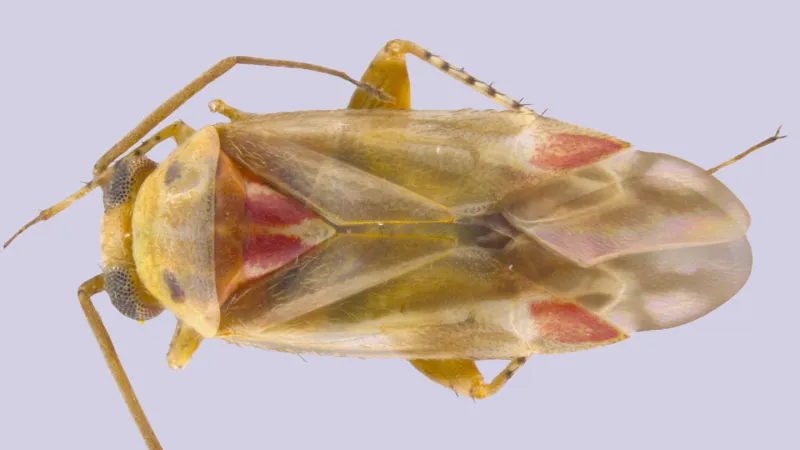
The recent naming of four Australian plant bug species – *Swiftiephylus*, *Tayloriana*, *Erasmabyssus*, and *Antitayloria* – in honor of Taylor Swift might initially appear a frivolous exercise. However, it underscores a crucial, often overlooked facet of scientific endeavor: the human element. While our publication frequently highlights rigorous data analysis and technological advancements, as evidenced in articles like [Correction: Twelve years of acoustic monitoring reveal rising spring–autumn harbor porpoise (Phocoena phocoena) detection rates in the Pomeranian Bay (Baltic Sea), a transition zone between populations of concern], the process of describing and classifying new species is inherently intertwined with human observation, interpretation, and, yes, even cultural influences. This seemingly lighthearted gesture serves as a reminder that science isn't conducted in a vacuum; it’s a product of human curiosity and creativity, and can be influenced by popular culture. The practice of naming species, traditionally a domain of Latin or Greek roots, is increasingly embracing a broader range of influences, reflecting a changing landscape within the scientific community.
The decision to honor Taylor Swift is also noteworthy in the context of data management and accessibility, areas of growing importance to World Data Ocean. The development of tools like [datamuseum: an R package for managing and refining biological specimen data] exemplifies the ongoing effort to standardize and streamline biological data, allowing for more efficient analysis and broader collaboration. While naming a species after a celebrity might seem tangential to these efforts, it highlights the need for clear and consistent metadata – ensuring that the reasoning behind the name, and the scientific basis for the classification, are meticulously documented and accessible. Furthermore, the increased public attention generated by such a story can, indirectly, boost awareness of biodiversity and the importance of taxonomic research, even prompting amateur naturalists to contribute observations, as seen in citizen science initiatives like the query about a worm found in Croatia – [Found this little worm in Istria, Croatia. ID?]. This democratization of scientific engagement has the potential to significantly augment our understanding of the natural world.
Beyond the immediate novelty, this instance reflects a broader trend of incorporating cultural references into scientific nomenclature. It signals a potential shift away from strictly formal or classical naming conventions, toward a more inclusive approach that acknowledges the influence of popular culture and human interests. While maintaining scientific rigor and adhering to established taxonomic principles remains paramount, the willingness to embrace such unconventional choices can foster greater public engagement and potentially attract new talent to the field. The challenge lies in striking a balance – ensuring that the names remain meaningful and informative within the scientific community while also capturing the attention of a wider audience. This requires a thoughtful and considered approach, prioritizing clarity and avoiding names that could be confusing or misleading.
Ultimately, the *Swiftiephylus* saga prompts a worthwhile reflection on the future of scientific communication and engagement. As we continue to generate vast datasets and develop increasingly sophisticated analytical tools, it’s crucial to remember that effective communication is key to translating scientific findings into actionable knowledge. Will we see a continued blurring of the lines between scientific discovery and popular culture, leading to more innovative and accessible ways of engaging the public with the wonders of the natural world? Or will the scientific community maintain a stricter adherence to traditional naming conventions, prioritizing formality over broader appeal? The answer likely lies somewhere in between, requiring a nuanced approach that balances scientific integrity with the potential for increased public understanding and appreciation of the vital work being done to protect our planet.
Read on the original site
Open the publisher's page for the full experience