species
World Data Ocean keeps species in one place: 43 stories so far. The section currently leads with “Citizen Science Identifies Unknown Jaw Bone on Durban Shoreline”, “Juvenile reef fish in St Croix reveal habitat cues for coastal monitoring”, and “The Tactile Science of Eel Skin from Living to Specimen”. A single jawbone, washed ashore in Durban, has become a puzzle for marine science, and it was a citizen scientist who first spotted it. Juvenile reef fish in St. A Global Hub for Ocean Intelligence 4 World Data Ocean is a centralized digital platform where researchers, scientists, and ocean enthusiasts converge to… The list below is every species story on World Data Ocean, newest first.

Citizen Science Identifies Unknown Jaw Bone on Durban Shoreline
A single jawbone, washed ashore in Durban, has become a puzzle for marine science, and it was a citizen scientist who first spotted it. That observation, shared online, is now driving the kind of collaborative identification that builds real baseline data. This is ocean intelligence in action: empirical, peer-validated, and rooted in shared responsibility. For a deeper look at how such observations strengthen science, see our related coverage on identifying dried marine specimens for baseline data.

Juvenile reef fish in St Croix reveal habitat cues for coastal monitoring
Juvenile reef fish in St. Croix are teaching us that small coastal pools may hold far more significance than their size suggests. The Caribbean Reef Fish Foundation documented these young fish moving among rocks and crevices, raising an empirical question: are they pausing briefly or establishing sustained residency? This distinction matters because juvenile presence alone does not confirm nursery function. Repeated, calibrated surveys of species, size, and water conditions could transform observation into measurable insight.
The Tactile Science of Eel Skin from Living to Specimen
The tactile difference between a living eel and a preserved specimen is a question of empirical precision. A living eel's skin is coated in a protective, validated layer of mucus, making it slippery and almost gelatinous to the touch. Once deceased, that moisture evaporates, leaving the skin leathery and rough. This shift from slick to textured is a measurable, real-time change.

Beaked Fish Stranding in Dubai Prompts Questions of Species Identification
A beaked fish washing ashore in Dubai has raised more questions than answers, highlighting just how difficult species identification can be, even for experienced observers. The initial guess of parrotfish makes sense given the prominent beak, but the unusual size and body shape suggest something else entirely. These stranding events deserve rigorous, peer-reviewed documentation. A gelatinous mass in Peconic Bay offers a real-time climate indicator worth validating, showing how citizen observations can drive valuable scientific inquiry when properly calibrated.
Call for Field Researchers to Join Mumbai Coastal Biodiversity Survey
The Mumbai coast is a living laboratory, and the invitation to survey its biodiversity is exactly the kind of hands-on science that builds real understanding. Documenting species, sharing observations, and learning together across habitats, this is how field knowledge grows. For PhD students and researchers in marine biology, zoology, or fisheries, it's a chance to turn curiosity into calibrated data. The work is collaborative, empirical, and grounded in the kind of peer-to-peer exchange that strengthens any research community.

A curious diner finds a centipede in their sushi, prompting questions about seafood identification
A curious diner finds a centipede in their sushi, raising a question that cuts to the heart of seafood identification. While the immediate reaction might be alarm, the real value here is empirical observation. Validating what we find on our plates, whether in Washington state or elsewhere, builds a more integrated data ecosystem. This kind of grounded curiosity mirrors the citizen science behind our coverage of "Coquina clams in Surfside Beach."

Crowdsourcing tooth IDs to build a citizen science collection
A child's fascination with shark teeth is exactly the kind of curiosity that builds real ocean intelligence. This UK beach find, uploaded for crowd-sourced identification, turns a personal question into a shared data point. Validated observations, whether from a young enthusiast or a seasoned researcher, strengthen our integrated data ecosystem. For another example of citizen science filling knowledge gaps, see our coverage of "Validated Beach Find in Costa Rica Points to Data Gap in Coastal Catfish Identification."

Unidentified Skeleton on Puerto Rico Coast Stumps Local Experts
An eight-inch skull and vertebrae nearly the size of your palm, pulled from the same stretch of Puerto Rico's west coast, have left even the pros guessing. The fishermen on the beach were stumped. So was the NOAA contact who saw the photos. Google's image search suggests a drum fish, but the Caribbean species we know run small. This was dense, heavy, and undeniably out of place. Sometimes the ocean reminds us how much remains unmeasured.

Unexpected Chiton Discovery in Puerto Rico Challenges Species Distribution Models
A chiton thought to be a snakeskin species has surfaced in Puerto Rico, yet that species was never documented in Caribbean or Atlantic waters. The discovery challenges the reliability of species distribution models that underpin much of our ocean intelligence. This is not a minor range extension, it is a signal that empirical data must catch up with predictive frameworks. Understanding drives protection, and this finding reminds us that validated, real-world observation remains the anchor of credible marine science.

Unidentified Specimen Found in Oahu Waters Sparks Ocean Data Inquiry
A single unidentified specimen recovered from Oahu waters has prompted a new round of data collection, a reminder that our ocean intelligence still holds gaps. The find is a useful nudge toward empirical rigor: when a species defies easy classification, the response should be calibrated observation, not speculation. We track climate indicators and integrated systems, yet the shoreline still surprises us.

First West Coast Sea Turtle Nest Documented on Southern California Beach
A lone sea turtle has made history on a Southern California beach, with the first documented nest of its kind on the West Coast. This is not a distant anomaly; it is a measurable signal of shifting ocean conditions. The event underscores the value of validated, real-time observation in tracking climate indicators. For those following the science, this pairs well with our recent piece, "Validated Protein Analysis Improves Caretta Caretta Health Assessments," offering a fuller picture of how we track these resilient species.

Unexpected Sea Hare Appears in Mediterranean Aquarium Ecosystem
A sea hare appearing uninvited in a Mediterranean aquarium is the kind of event that turns a routine ecosystem into a quiet mystery. This one surfaced yesterday, with no clear origin story. The tank mixes Balearic and northern Adriatic species, while the *Fucus vesiculosus* came from the Baltic, kept isolated long enough to rule it out as a hitchhiker. Identification matters here, though the immediate question is simpler: how long has this herbivore been grazing unnoticed?
Exploring Plankton Science: Accessible Research for Curious Ocean Observers
A two-year fondness for plankton, sparked by picture books and a saved-for net, is exactly how meaningful ocean observation begins. This researcher's request for accessible depth, rather than just surface-level facts, reflects a genuine curiosity that we share. It is a reminder that scientific literacy grows through patient, specific questions. For those ready to move beyond identification guides, we recommend exploring related coverage on species distribution, such as the unexpected chiton discovery challenging current models, to see how amateur observations can align with empirical inquiry.

Unidentified Nudibranch Observed in California Harbor Requires Further Research
A black-and-white nudibranch spotted in a California harbor has yet to match any known species, and that is precisely why it deserves attention. The observer's attempt to identify it came up empty, a reminder that our ocean intelligence remains incomplete. Unverified sightings like this are not conclusions; they are starting points. Further research, ideally peer-reviewed and empirically documented, could clarify whether this is an undocumented variation or a range shift tied to changing climate indicators.

Unidentified Marine Life Observed in South Florida Waters
A community post about unidentified marine life in South Florida waters raises the kind of question that drives ocean intelligence forward. The observer's surprise at seeing these creatures "swing" in the water is a reminder that our understanding of marine ecosystems remains incomplete. Validated observation, even anecdotal, is a starting point for empirical inquiry. We encourage further reporting and documentation, as such data can contribute to a more integrated data ecosystem.
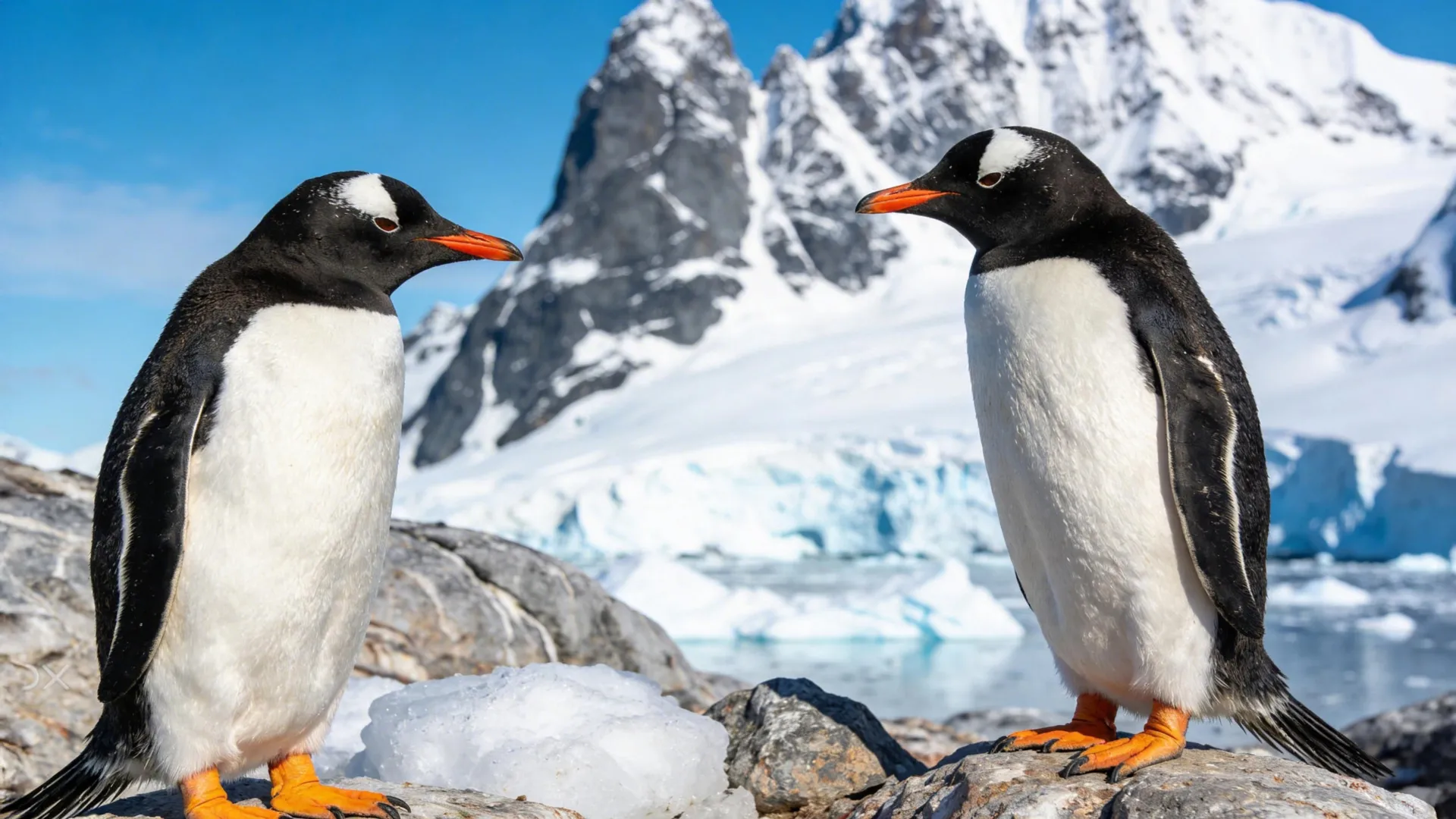
Genetic Data Reveals Four Gentoo Penguin Species, Highlighting Climate Threat
Genetic evidence has revealed that gentoo penguins are not one species but four, with a previously unknown population identified on the remote Kerguelen Islands. It is a reminder that biodiversity often hides in plain sight, even among well-studied animals. Yet the discovery carries an urgent warning: warming oceans could strip several island habitats by 2050. Understanding these distinctions is the first step toward protecting them.
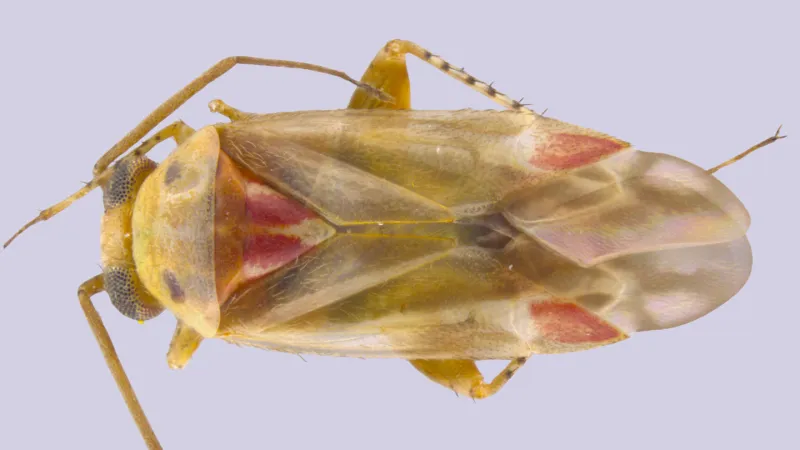
Swiftiephylus: New Australian Bugs Honor Taylor Swift’s Legacy
Four newly described species of Australian plant bug now carry Taylor Swift's name, a fitting tribute from science to an artist who turns precise observation into narrative. The discovery, published through peer-reviewed taxonomy, reminds us that naming is more than ceremony; it is a form of public engagement. While the ocean often dominates our coverage, as seen in our related piece on the unexpected chiton discovery in Puerto Rico, this land-based find proves that biodiversity's stories remain everywhere.

Rising Porpoise Sounds Signal Baltic Sea Population Shift
Acoustic monitoring has detected a measurable rise in porpoise vocalizations across the Baltic, signaling a population shift we cannot ignore. These calibrated, real-time data points offer empirical evidence of changing marine behavior, a clear climate indicator demanding our attention. Understanding drives protection. For deeper context on how such ocean intelligence informs career pathways in marine science, see our related piece, "Navigating a Marine Studies BA: Pathways to a Marine Biology Career."
Coastal Discovery: Identifying a Unique Worm Species from Istria.
A single worm, pulled from the waters off Istria, has turned out to be a species new to science. The discovery, shared by a Reddit user, is a sharp reminder that our ocean intelligence is still incomplete. Identifying a unique worm this way is a win for community-driven observation, and it underscores the value of integrated data ecosystems.
Oarfish Cuisine: Unraveling the Diet of a Deep-Sea Giant
A deep-sea giant with a diet that remains stubbornly out of focus, the oarfish presents a unique challenge for your ceramic work. While squid are indeed part of their menu, pinning down a single species is rare, as their feeding is opportunistic rather than specialized. You can confidently sculpt a squid without locking onto a precise genus.

Unusual Crustacean Spotted: Could This Be a Decorator Crab?
A pair of unusual crustaceans spotted on pier posts in Friday Harbor, WA, has prompted a fellow observer to wonder if they're looking at decorator crabs. The iNaturalist suggestion is plausible, though the user notes these specimens don't quite match familiar photos of that species. That's the value of citizen science: a blurry screen grab still opens a door.

Unidentified Specimen Found in Pensacola: Seeking Ocean Intelligence Insights
A single specimen washed ashore in Pensacola has sparked curiosity, and for good reason. The unidentified find, shared by a snorkeler seeking answers, underscores how much remains unknown in our coastal zones. Observations like this are not isolated incidents; they are data points. This is where citizen observations meet scientific inquiry. For those looking to understand how such discoveries fit into broader patterns of marine distribution, our related coverage in "Unexpected Chiton Discovery in Puerto Rico Challenges Species Distribution Models" offers valuable context.

Investigating Unusual Eye Discoloration in Sea Lions: A Data-Driven Inquiry
Unusual eye discoloration in sea lions is rarely documented, yet this inquiry treats the anomaly as a data point rather than a curiosity. That is the right approach. By framing the observation within a structured, evidence-driven investigation, the work aligns with the kind of ocean intelligence that turns anecdote into measurable insight. It is a reminder that even subtle biological signals carry weight. For readers tracking similar patterns, our related piece on an unidentified specimen in Oahu waters offers another thread worth pulling.

Unidentified Marine Specimen Discovered in Croatian Waters – Seeking Expert ID.
A single specimen has surfaced in Croatian waters with no clear match in existing records, and the community is asking for help. This is the kind of observation that matters, not because it is dramatic, but because it is measurable. A submitted photo and location data give us a starting point, but identification requires the right eyes. For those tracking similar patterns, the recent report of an unexpected chiton discovery in Puerto Rico challenges species distribution models. Every verified sighting sharpens the picture.