India & UK To Jointly Develop Full Electric Propulsion Tech For 4 Large Indian Naval Platforms
Our take

The collaborative agreement between India and the UK to jointly develop full electric propulsion (FEP) technology for large Indian naval platforms represents a significant, albeit incremental, shift in maritime power and technological development. This isn't merely an upgrade; it signals a strategic move toward enhanced operational efficiency, reduced environmental impact, and a potential reshaping of naval architecture. The ongoing efforts of the Indian Navy to ensure safe transit of merchant ships through critical waterways, as exemplified in Indian Navy Monitors Safe Transit Of 2 Merchant Ships Through Bab-el-Mandeb Strait, underscore the increasing complexity of maritime operations and the need for adaptable and resilient naval assets. Furthermore, the broader focus on maritime security and joint naval exercises between India and New Zealand, detailed in India & New Zealand To Focus On Maritime Security, Joint Naval Training & Exercises Under Defence Strategic Dialogue, highlights India's proactive engagement in regional and global maritime partnerships, making this FEP development even more pertinent.
The adoption of FEP offers several tangible advantages. Traditional naval platforms reliant on diesel-mechanical systems are inherently less efficient and produce considerable emissions. FEP, utilizing electric motors powered by integrated power plants (often incorporating hybrid configurations like gas turbines and batteries), promises significantly improved fuel economy, reduced noise signatures – a critical factor for stealth capabilities – and greater flexibility in power distribution across the ship’s systems. The integration of real-time data and calibrated sensors, core tenets of our ocean intelligence approach, will be vital to optimize FEP performance in varied operational conditions. It's important to note, however, that the transition to FEP is not without its challenges. Weight management, thermal management, and the robustness of battery technology in a harsh maritime environment remain significant engineering hurdles. The recent tragic sinking of a bulk carrier in the Bay of Bengal, detailed in 22 Seafarers Missing After Ship Sailing From India To China With 72,000 Tonnes Of Iron Ore Sinks In Bay Of Bengal, serves as a stark reminder of the unforgiving nature of the marine environment and the importance of rigorous safety and reliability standards in any new naval technology.
Beyond the immediate operational benefits, this collaboration signifies a deepening of the technology transfer relationship between the UK and India, reflecting a broader trend toward international cooperation in advanced naval technologies. The UK’s expertise in electric propulsion systems, honed through its own naval modernization programs, combined with India’s shipbuilding capacity and operational experience, creates a synergistic partnership. This development also aligns with the global push towards decarbonization of the maritime sector, driven by increasingly stringent environmental regulations and a growing awareness of the impact of shipping emissions on climate indicators. The longitudinal data collected and analyzed from these platforms, once deployed, will contribute valuable empirical evidence to the broader understanding of naval vessel performance and environmental impact, allowing for iterative improvements and further refinements to the technology. The focus on an integrated data ecosystem will be paramount for maximizing the benefits of this transition.
Ultimately, the India-UK FEP partnership represents a calculated step toward a more sustainable and technologically advanced Indian Navy. While the full impact will unfold over the coming years as these platforms enter service, it's clear that this development will influence naval design and operational doctrine far beyond the immediate platforms involved. The question now becomes: how quickly will other nations adopt similar technologies, and will the resulting shift in propulsion systems fundamentally alter the balance of naval power in key strategic regions? The validation of these systems through rigorous testing and real-world deployments will be crucial in shaping the future of naval propulsion.
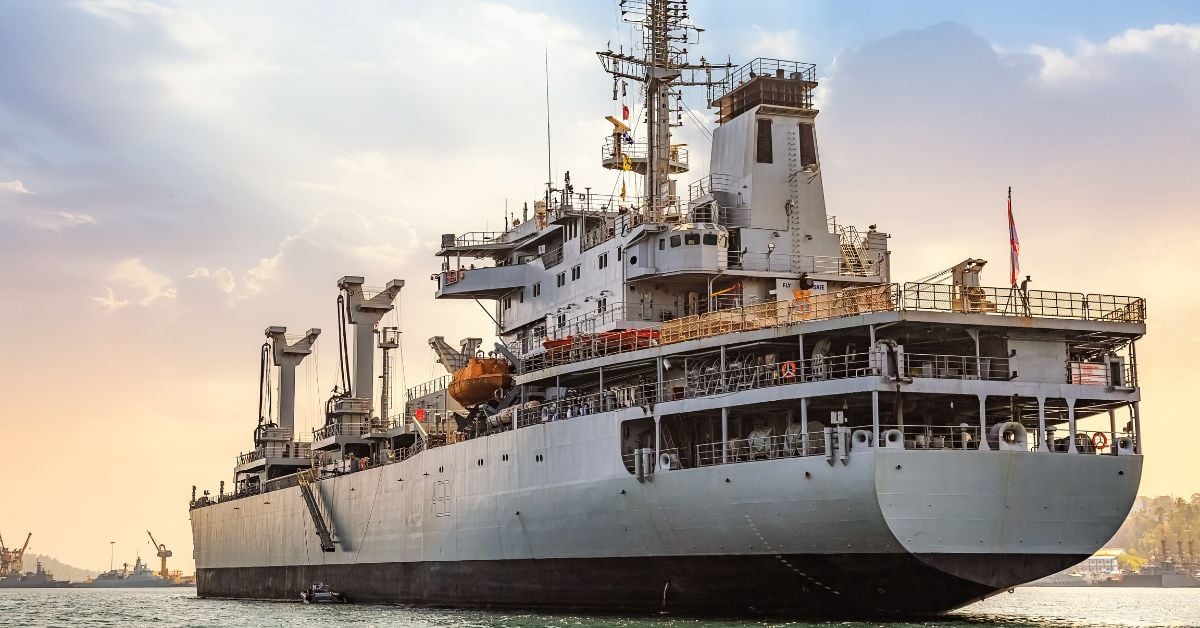
India and Britain plan to strengthen their defence ties and bilateral relations by signing an agreement for developing full electric propulsion tech for large naval platforms of the Indian Navy.
For this ambitious project, British company GE Vernova has joined Bharat Heavy Electricals Limited for building a land-based lab where the new Integrated Full Electric Propulsion technology can be effectively tested before it is integrated on the 4 Landing Platform Docks.
The Inter-Government Agreement would be formalised soon and lead to the construction of the naval docks at an indian facility with a fully integrated electric propulsion system, which would enable a more efficient distribution of power across the many energy-dense systems installed on a naval platform.
This means that with the help of this tech, a naval platform could have more sensors, electronic systems, radars, and other equipment to counter all kinds of threats.
The agreement comes after the governments of both countries decided to jointly build and design electric propulsion systems, as per the Statement of Intent signed by them in 2024 in Portsmouth, Britain, during the 3rd meeting of the Joint Working Group established for advancing this partnership.
It also laid down the framework to collaborate on designing, building, and manufacturing the new system together for future Indian naval vessels.
The new project shows the evolving relationship between U.K and India. Earlier, the two countries engaged in the exchange of technology, machinery or weapons, but now they are focusing on technological cooperation and building long-term defence relations by co-developing a new naval technology.
Top U.K officials said Britain would employ years of experience in developing electric propulsion technology to the Indian case along with lessons learnt from the development of Landing Platform Docks, Landing Ship Docks, aircraft carriers of the Elizabeth-class and Type 45 destroyer ships.
What Britain gets from this partnership is access to a vast market for naval technologies in Asia, especially in India since its fleet continues to expand and modernise rapidly.
India envisages a fleet of 200 warships by 2047, and British firms such as Rolls Royce or GE Vernova could contribute to this growth by bringing their experience and expertise.
Read on the original site
Open the publisher's page for the full experience