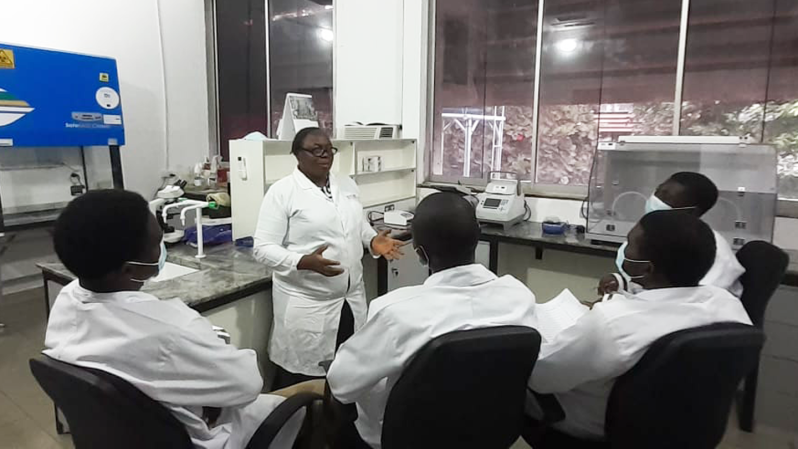
The recent development of a low-cost rotavirus test by Nigerian virologist Margaret Oluwatoyin Japhet represents a significant leap forward in global health, particularly for regions like Nigeria where access to healthcare can be limited. This rapid bedside diagnostic tool has the potential to save countless children's lives by facilitating quicker diagnoses and timely treatment of rotavirus infections, which are a leading cause of severe diarrhea in young children. The urgency of such innovations cannot be overstated, especially in the context of other emerging health threats highlighted in our recent articles, such as Hantavirus questions grow in the wake of a cruise ship outbreak and Some South American rodent-borne viruses may spread as climate warms. These articles remind us that infectious diseases remain a growing concern in our interconnected world, further emphasizing the importance of grassroots innovations like Japhet's.
The creation of this rotavirus test is not only a technical achievement; it also exemplifies the power of local expertise in addressing public health challenges. By developing a diagnostic tool that can be used at the bedside, Japhet has effectively reduced the barriers to timely treatment. Traditionally, diagnosing rotavirus requires laboratory facilities that may not be available in rural or underserved communities. This innovation aligns with the global push for integrated healthcare solutions that prioritize accessibility and affordability. The implications are far-reaching—children who would otherwise suffer from the debilitating effects of rotavirus can receive immediate care, reducing morbidity and mortality rates associated with this preventable illness.
Moreover, the significance of this development extends beyond Nigeria. It serves as a model for other nations grappling with similar health challenges. The urgent need for accessible diagnostic tools in low-resource settings is a common thread in global health discussions. As we witness climate change and its impact on disease vectors, as explored in our piece on What to know about a rare hantavirus outbreak at sea, the need for innovation in public health becomes even more critical. This is a reminder that while we face new threats, solutions rooted in local knowledge and expertise can pave the way for healthier futures.
Looking ahead, the success of Japhet's test raises important questions about the scalability of such innovations. Can this model be replicated for other diseases prevalent in developing regions? What support systems are necessary to ensure that these tools reach the populations that need them most? As we reflect on the potential for scientific breakthroughs to transform public health, we are reminded of the collaborative spirit required to tackle global health challenges. The integration of local insights into broader health strategies will be essential in bolstering resilience against future health crises. The road ahead is filled with possibilities, and continued investment in local scientific talent and innovation may be our best path forward.