west coast
World Data Ocean keeps west coast in one place: 5 stories so far. The section currently leads with “Unidentified Skeleton on Puerto Rico Coast Stumps Local Experts”, “Cascadia and San Andreas: Evidence Suggests Sequential Earthquake Risk”, and “First West Coast Sea Turtle Nest Documented on Southern California Beach”. An eight-inch skull and vertebrae nearly the size of your palm, pulled from the same stretch of Puerto Rico's west coast, have left even the pros guessing. Beneath the Pacific, 3,100 years of ocean sediments tell a story of linked rupture: the Cascadia subduction zone and northern San Andreas fault may occasionally fail in near-tandem, unleashing earthquakes minutes to… A Global Hub for Ocean Intelligence 4 World Data Ocean is a centralized digital platform where researchers, scientists, and ocean enthusiasts converge to… The list below is every west coast story on World Data Ocean, newest first.

Unidentified Skeleton on Puerto Rico Coast Stumps Local Experts
An eight-inch skull and vertebrae nearly the size of your palm, pulled from the same stretch of Puerto Rico's west coast, have left even the pros guessing. The fishermen on the beach were stumped. So was the NOAA contact who saw the photos. Google's image search suggests a drum fish, but the Caribbean species we know run small. This was dense, heavy, and undeniably out of place. Sometimes the ocean reminds us how much remains unmeasured.
Cascadia and San Andreas: Evidence Suggests Sequential Earthquake Risk
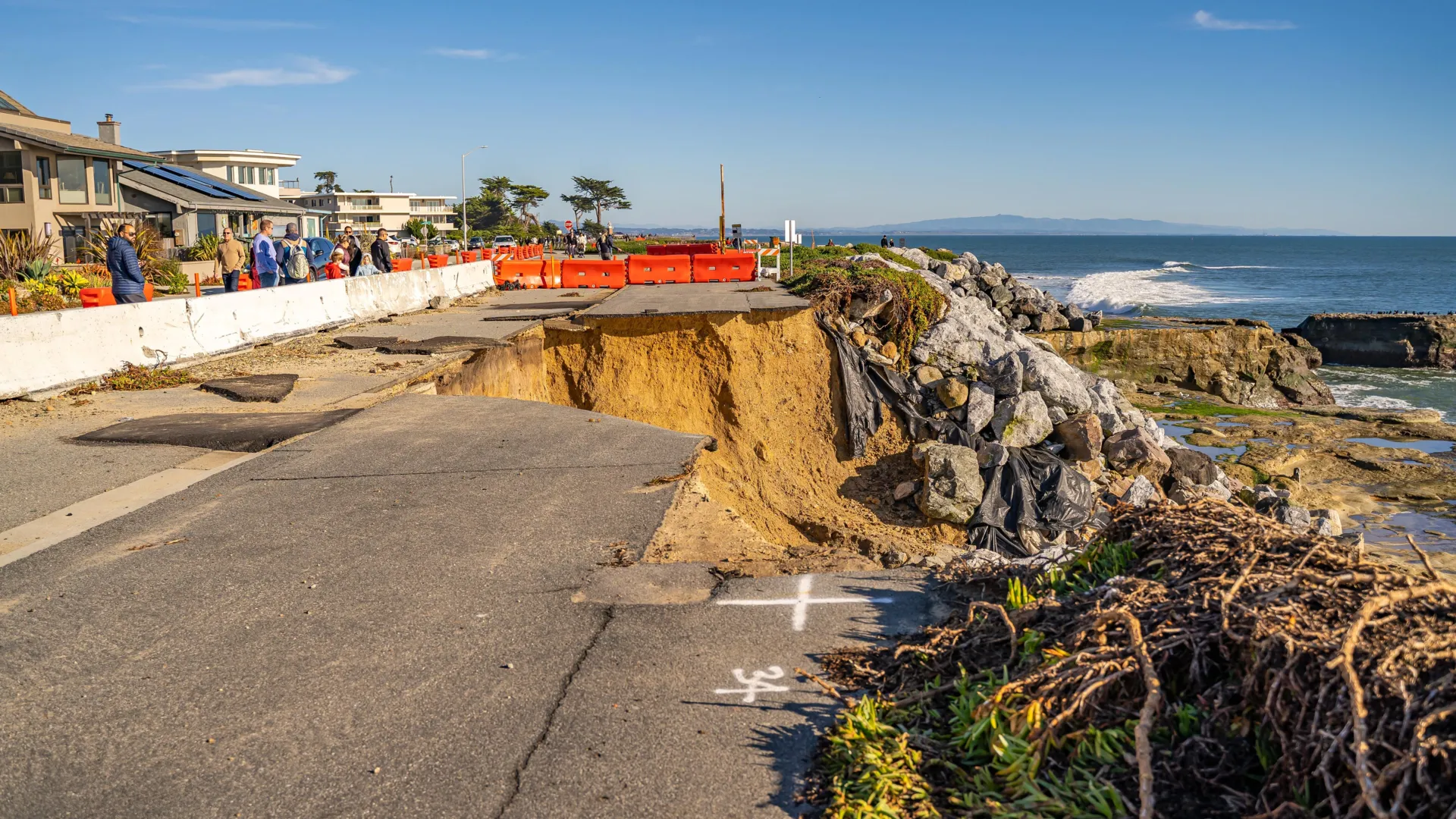
Beneath the Pacific, 3,100 years of ocean sediments tell a story of linked rupture: the Cascadia subduction zone and northern San Andreas fault may occasionally fail in near-tandem, unleashing earthquakes minutes to hours apart. The 1700 event looms large in this record, and the implication is sobering. If synchronization recurs, West Coast cities could face simultaneous emergencies. This is the kind of integrated hazard that demands our attention.

First West Coast Sea Turtle Nest Documented on Southern California Beach
A lone sea turtle has made history on a Southern California beach, with the first documented nest of its kind on the West Coast. This is not a distant anomaly; it is a measurable signal of shifting ocean conditions. The event underscores the value of validated, real-time observation in tracking climate indicators. For those following the science, this pairs well with our recent piece, "Validated Protein Analysis Improves Caretta Caretta Health Assessments," offering a fuller picture of how we track these resilient species.

Coastal Water Temperatures Reveal Seasonal Shifts and Emerging Trends.
Coastal waters are where the ocean meets the land, and they are changing in measurable ways. A new quality-controlled dataset from NOAA's CO-OPS stations, spanning 90 sites from the mid-1990s to 2023, reveals that seasonal cycles track solar heating closely, yet peak temperatures lag air by days or weeks. Most stations show warming trends averaging nearly 0.5°C per decade, with the Mid-Atlantic and Southeast leading. This local data matters, especially when comparing to broader datasets like those in our piece on integrated subsea cables.
Cascadia and San Andreas: Linked Earthquake Risk Emerges from Ocean Data
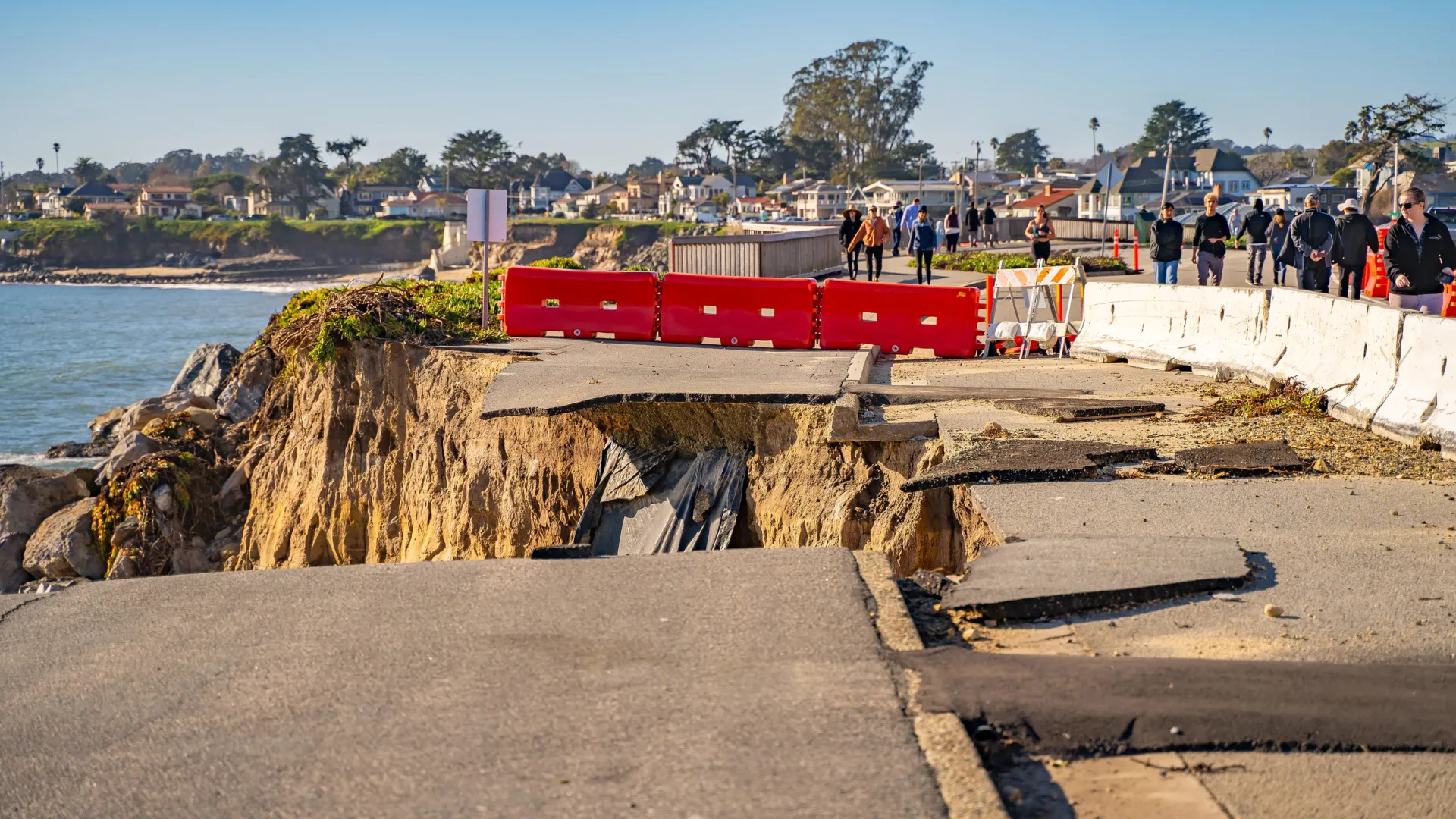
Sediment layers preserved in the ocean floor now suggest that a major Cascadia rupture may have repeatedly triggered a second quake on the San Andreas Fault. The pattern, drawn from thousands of years of underwater landslide records, points to a troubling possibility: these two fault systems may not always act alone. The finding reframes how we understand seismic risk along the West Coast.