weather patterns
World Data Ocean keeps weather patterns in one place: 5 stories so far. The section currently leads with “El Niño and La Niña no longer define cool and warm years”, “Atlantic Circulation Weakens: Global Climate Reshaping Predicted”, and “2025 Temperature Anomalies: Tracking Global Climate Indicators.”. El Niño and La Niña no longer define cool and warm years. For nearly two decades, the Atlantic Meridional Overturning Circulation has been weakening across a broad expanse of ocean, and the evidence is now firmly observational. A Global Hub for Ocean Intelligence 4 World Data Ocean is a centralized digital platform where researchers, scientists, and ocean enthusiasts converge to… The list below is every weather patterns story on World Data Ocean, newest first.
El Niño and La Niña no longer define cool and warm years
El Niño and La Niña no longer define cool and warm years. "Cool" years are now hotter than the "warm" years of the past. This is not speculation; it is a measured, empirical recalibration of our climate baseline. The shift is validated by decades of peer-reviewed data. The ocean economy is booming, but as UNCTAD's integrated climate indicators show, its longevity depends on understanding these changes. The urgency is clear, and the data demands action.
Atlantic Circulation Weakens: Global Climate Reshaping Predicted
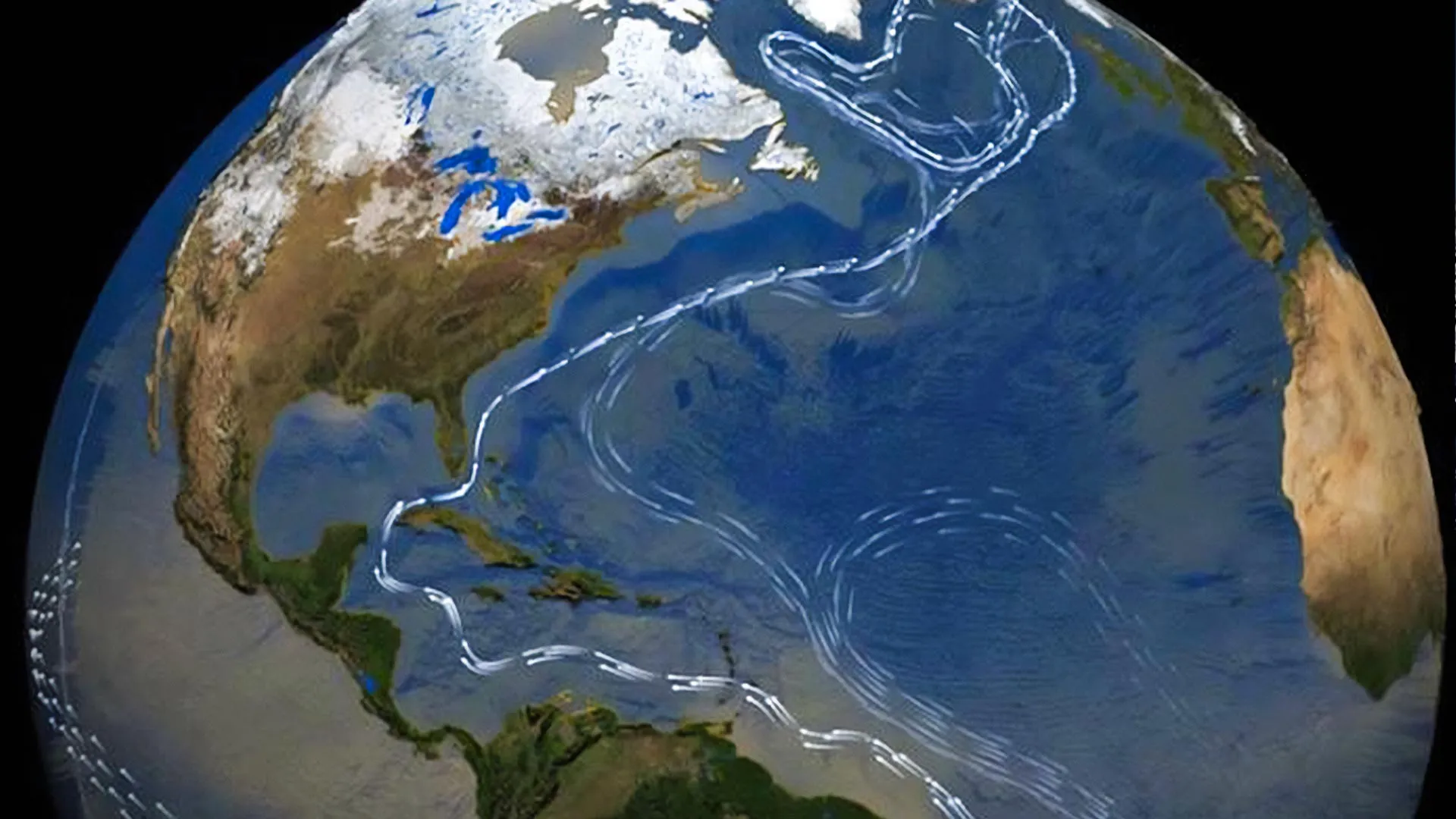
For nearly two decades, the Atlantic Meridional Overturning Circulation has been weakening across a broad expanse of ocean, and the evidence is now firmly observational. This isn't a distant model projection; it's a measured slowdown with the potential to redraw weather patterns, storm tracks, and coastal sea levels around the basin. We treat this as a calibrated warning, not speculation. The data demands attention.

2025 Temperature Anomalies: Tracking Global Climate Indicators.
The 2025 temperature anomaly data from Our World in Data offers a measurable look at how far the climate has shifted. These annual figures are more than numbers; they are calibrated indicators of a planet in motion. We track them because understanding drives protection. The record ice gain in East Antarctica, detailed in our related coverage, reminds us that regional extremes can temporarily mask global trends. For now, the anomalies demand our attention, not alarm.
Unexpected Snowfall Drives Record Ice Gain in East Antarctica
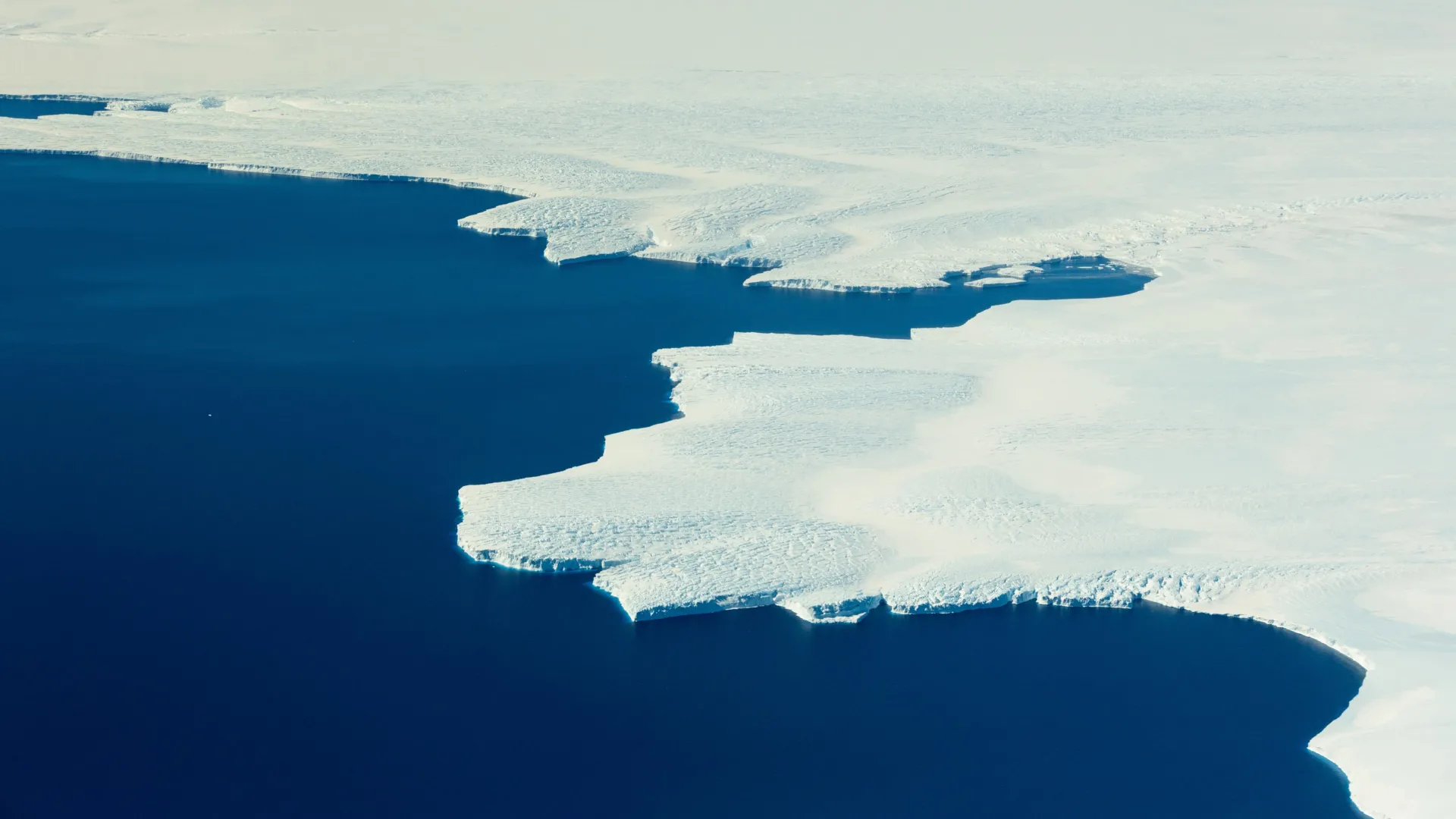
Between 2021 and 2023, East Antarctica gained 695 billion tons of ice, a measurable, empirical anomaly driven by tropical ocean warming thousands of miles away. This record snowfall temporarily slowed Antarctica's long-term decline, but it does not reverse the larger trend. Understanding these atmospheric feedback loops is essential for calibrating our climate models. For deeper context on how warming reshapes global systems, see our coverage of "Atlantic Circulation Weakens: Global Climate Reshaping Predicted."

Panama Canal Draft Restrictions Reflect Declining Water Levels.
The Panama Canal Authority's two-stage draft reduction for Neopanamax locks responds directly to declining water levels, a measured adjustment that prioritizes reliability over volume. This is prudent, calibrated decision-making, the kind that keeps global trade moving without pretending climate pressures don't exist. Water scarcity is no longer a future scenario; it is a present operational constraint. For context on how infrastructure adapts elsewhere, our coverage of Russia's icebreaker revenue plans offers a parallel in strategic resource management.