water conservation
water conservation at World Data Ocean is a file of 3 stories. The newest of them: “Reduced Canal Crossings: Climate Impacts Threaten Global Trade Flows”, “El Niño Drought Restricts Panama Canal Vessel Traffic.”, and “Panama Canal Draft Restrictions Reflect Declining Water Levels.”. Reduced canal crossings now stand at just 29 per day. The Panama Canal Authority has restricted daily vessel crossings, a direct response to drought-like conditions driven by El Niño. A Global Hub for Ocean Intelligence 4 World Data Ocean is a centralized digital platform where researchers, scientists, and ocean enthusiasts converge to… The list below is every water conservation story on World Data Ocean, newest first.
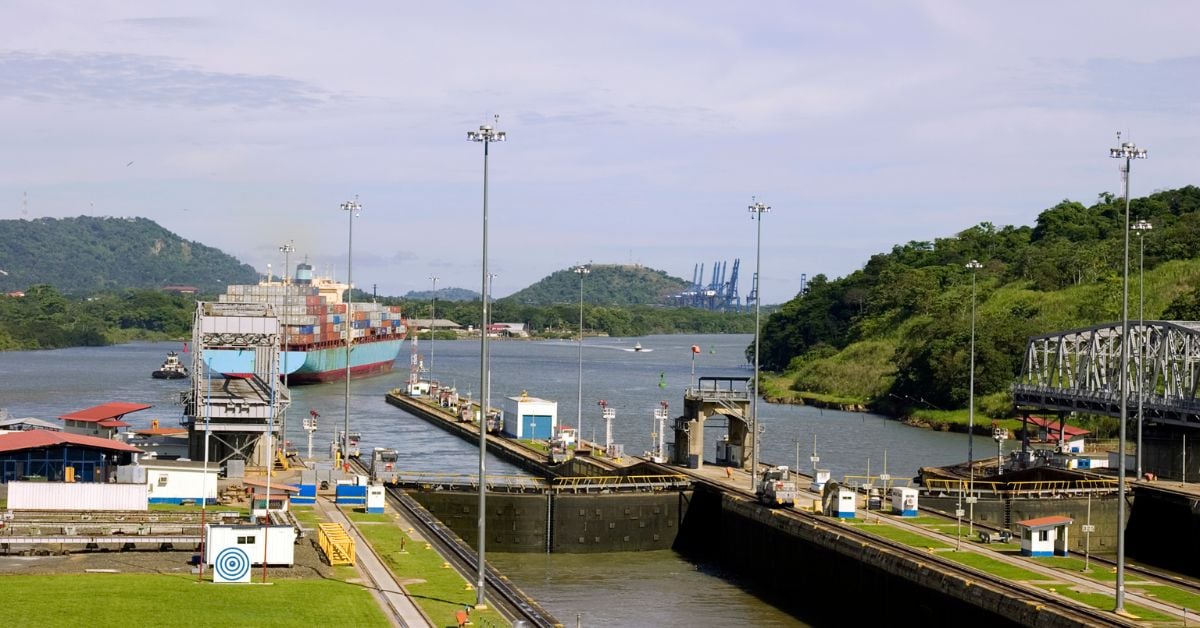
Reduced Canal Crossings: Climate Impacts Threaten Global Trade Flows
Reduced canal crossings now stand at just 29 per day. Drought and low rainfall are tightening the Panama Canal's capacity, a measurable strain on global trade flows that demands empirical attention. This is not an isolated pressure point. Our coverage of "Russia Calibrates Export Revenue for Northern Sea Route Icebreaker Fleet" shows how nations are already recalibrating infrastructure in response. Climate indicators are reshaping maritime logistics. Understanding these integrated disruptions is the first step toward protecting the systems we depend on.

El Niño Drought Restricts Panama Canal Vessel Traffic.
The Panama Canal Authority has restricted daily vessel crossings, a direct response to drought-like conditions driven by El Niño. This is a practical, measured adjustment to a pressing climate reality. The waterway's reliability depends on predictable rainfall, and its absence demands immediate operational recalibration. It is a reminder that infrastructure, however advanced, remains tethered to environmental stability. For broader context on this phenomenon, our article on El Niño's unprecedented ocean warming offers critical insight.

Panama Canal Draft Restrictions Reflect Declining Water Levels.
The Panama Canal Authority's two-stage draft reduction for Neopanamax locks responds directly to declining water levels, a measured adjustment that prioritizes reliability over volume. This is prudent, calibrated decision-making, the kind that keeps global trade moving without pretending climate pressures don't exist. Water scarcity is no longer a future scenario; it is a present operational constraint. For context on how infrastructure adapts elsewhere, our coverage of Russia's icebreaker revenue plans offers a parallel in strategic resource management.