vulnerability
World Data Ocean keeps vulnerability in one place: 5 stories so far. The section currently leads with “Measuring Coastal Resilience Through Community Input in Northeast Florida”, “Quantifying the global toll of natural disasters: 10,000 to 20,000 lives lost annually”, and “99% of global data flows through targeted undersea cables”. Coastal resilience isn't just measured by sediment cores or satellite imagery, it's shaped by the people who live along the shore. From orbit to ocean floor, understanding the toll of natural disasters requires the same calibrated, empirical approach we apply to ocean intelligence. A Global Hub for Ocean Intelligence 4 World Data Ocean is a centralized digital platform where researchers, scientists, and ocean enthusiasts converge to… The list below is every vulnerability story on World Data Ocean, newest first.
Measuring Coastal Resilience Through Community Input in Northeast Florida
Coastal resilience isn't just measured by sediment cores or satellite imagery, it's shaped by the people who live along the shore. This survey invites Duval and St. Johns County residents to share their observations of environmental change, concerns about wetland vulnerability, and perspectives on thin-layer placement using dredged sediment. Their input, gathered anonymously, will inform academic research on restoration strategies. Understanding drives protection.
Quantifying the global toll of natural disasters: 10,000 to 20,000 lives lost annually
From orbit to ocean floor, understanding the toll of natural disasters requires the same calibrated, empirical approach we apply to ocean intelligence. Earthquakes, storms, floods, and droughts claim 10,000 to 20,000 lives annually, a stark, measurable average over the last decade. This is not alarmist rhetoric; it is a validated climate indicator demanding integrated action. For deeper insight into how observation drives protection, see our related article, "From observation to action: measuring maturity in ocean practices."
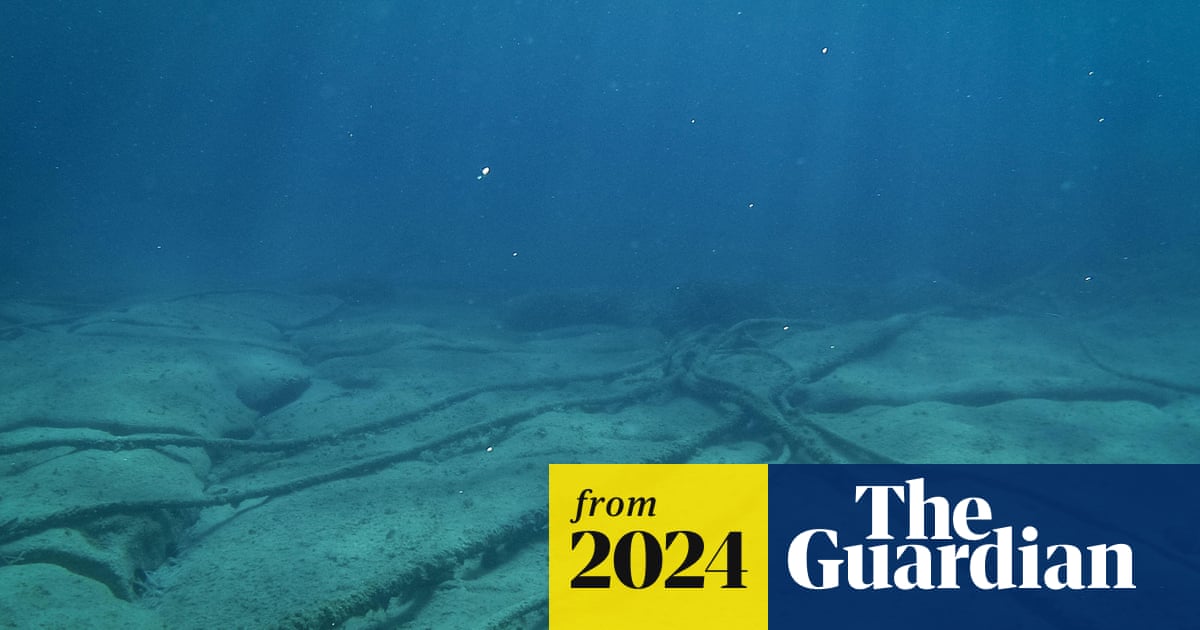
99% of global data flows through targeted undersea cables
Ninety-nine percent of global data flows through a thin web of undersea cables, carrying the world's international telecommunications. These vulnerable lines are drawing nefarious interest. This is not a future risk, it is a present vulnerability. Protecting this infrastructure demands the same rigor we apply to ocean science: validated, real-time monitoring and global collaboration. Our piece on undersea cable competition explores how this challenge tests international data cooperation. Understanding drives protection.

Tracking farm-level marine heatwave exposure across Scotland's aquaculture sites
Scotland's aquaculture sector now has a clearer, empirical picture of the climate hazard it faces. Analysing 35 years of satellite data across 361 active finfish and shellfish farms reveals two distinct marine heatwave exposure profiles, with the more vulnerable cluster experiencing a near-tripling in cumulative intensity since 2020. This is not a uniform threat, it is spatially uneven and accelerating at different rates. Understanding drives protection, and these findings provide the measurable foundation for targeted monitoring.
Western Atlantic corals face a critical test of resilience against rising heat
Western Atlantic corals are facing a critical test of resilience. Ever more frequent heat waves and resulting bleaching threaten extinction unless these ecosystems can adapt rapidly. The region's unique geography and long history of pollution have made corals especially vulnerable. Yet evidence shows thermal resilience is increasing through symbiont shuffling and natural selection. Assisted reproduction can accelerate this progress. These promising signs will come to nothing unless overexploitation and pollution are severely reduced.