voyage optimization
World Data Ocean keeps voyage optimization in one place: 2 stories so far. The section currently leads with “Validated Fuel Savings When Ports Share Berth Schedules” and “Optimized Ship Speed Prediction: Integrating Physics and Data for Efficiency”. A validated 4% to 6% fuel savings is not theoretical, it is the measurable result when ports and ships share berth schedules. In a single-voyage diagnostic study, the physics-informed hybrid-driven model (PHDM) cut average error to 3.02% MAPE, sharply outperforming both the pure Physics model at 7.58% and the data-driven model at 6.66%. A Global Hub for Ocean Intelligence 4 World Data Ocean is a centralized digital platform where researchers, scientists, and ocean enthusiasts converge to… The list below is every voyage optimization story on World Data Ocean, newest first.
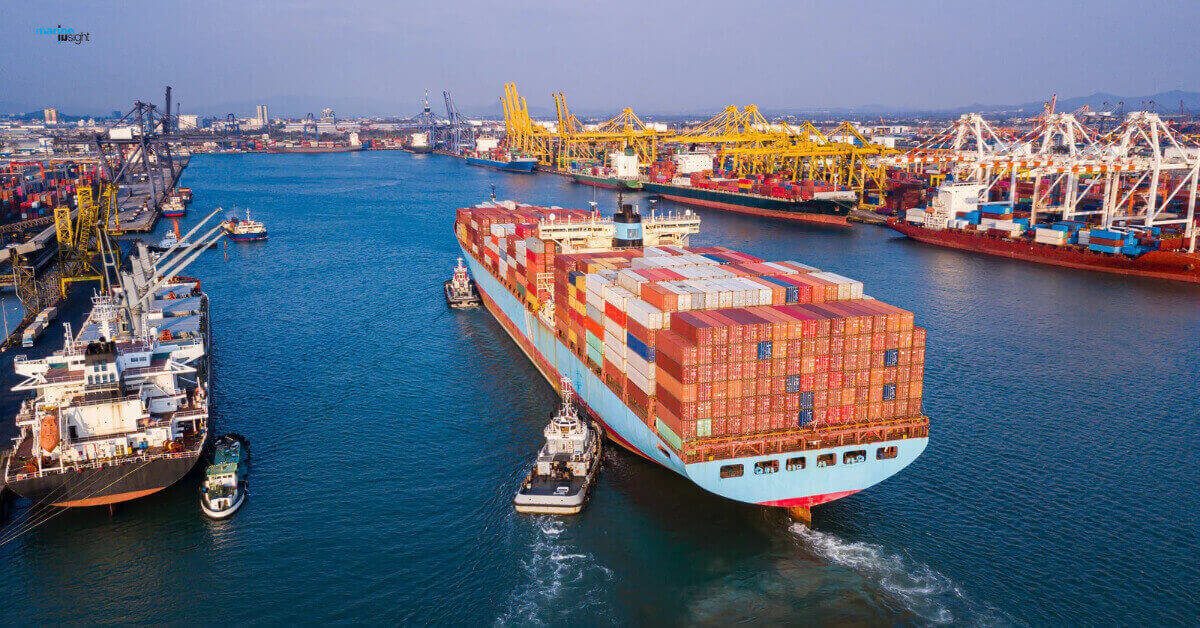
Validated Fuel Savings When Ports Share Berth Schedules
A validated 4% to 6% fuel savings is not theoretical, it is the measurable result when ports and ships share berth schedules. Just-in-time arrival lets a vessel adjust speed during passage so the berth, fairway, pilots and tugs are ready upon arrival. Less fuel burned, less time waiting at anchor. This integrated data ecosystem turns coordination into climate action. For more on how operational changes cut emissions, see our coverage of wind power reducing cargo fuel use by 70%.

Optimized Ship Speed Prediction: Integrating Physics and Data for Efficiency
In a single-voyage diagnostic study, the physics-informed hybrid-driven model (PHDM) cut average error to 3.02% MAPE, sharply outperforming both the pure Physics model at 7.58% and the data-driven model at 6.66%. The most striking gain appeared in scenario C4, where error dropped from over 13% to just 5.42%. This is not a claim of universal superiority; the authors are careful to frame results as voyage-specific.