unmanned surface vehicle (USV)
unmanned surface vehicle (USV) at World Data Ocean is a file of 4 stories. The newest of them: “Autonomous Refueling Extends Ocean Drone Mission Capabilities.”, “Layered Innovation: 3D-Printed Drone Boat Advances Ocean Data Collection”, and “Autonomous Resupply Demonstrates Ocean Intelligence for Naval Operations”. In just seven months, a robotic system refueled a drone boat at sea, sparing it a return to port. The TF-179 Drone Boat represents a shift in how we build ocean observation tools. A Global Hub for Ocean Intelligence 4 World Data Ocean is a centralized digital platform where researchers, scientists, and ocean enthusiasts converge to… The list below is every unmanned surface vehicle (USV) story on World Data Ocean, newest first.
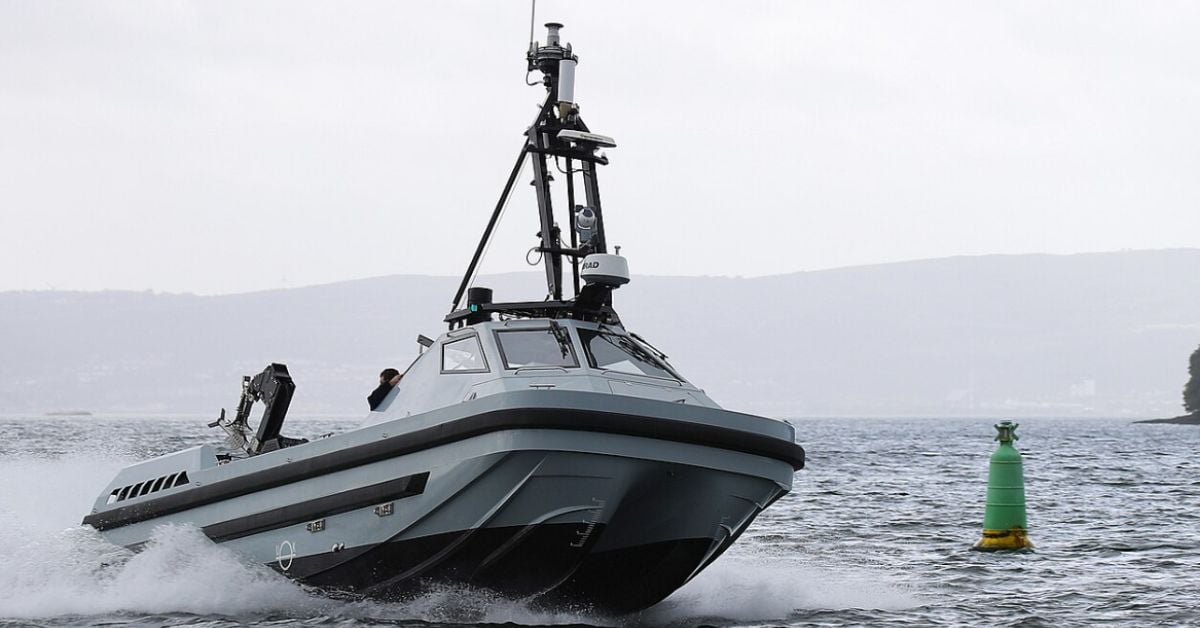
Autonomous Refueling Extends Ocean Drone Mission Capabilities.
In just seven months, a robotic system refueled a drone boat at sea, sparing it a return to port. That speed matters. Extending mission range without shore-side stops is the kind of incremental progress that turns autonomous systems from experimental tools into practical assets. It is a measured step, but a telling one. For deeper context on how the Navy is folding such capabilities into broader operations, our related coverage in "Navy Accelerates Autonomous Systems Integration for Enhanced Maritime Operations" offers useful grounding.

Layered Innovation: 3D-Printed Drone Boat Advances Ocean Data Collection
The TF-179 Drone Boat represents a shift in how we build ocean observation tools. By using robot arms to deposit material layer by layer, this U.S.-built vessel moves beyond traditional moulds, offering a more integrated approach to data collection. The precision here matters; it is a practical step toward more responsive ocean intelligence. For those tracking security and infrastructure progress, our coverage of Alaska's Base Kodiak pier project shows how we are expanding our reach in the Arctic.

Autonomous Resupply Demonstrates Ocean Intelligence for Naval Operations
Splash Industries has completed the world's first fully autonomous underway resupply of a U.S. Navy warship, using an Unmanned Surface Vehicle to transfer supplies without a single human touch on deck. It is a practical proof that autonomy can handle the most demanding naval logistics. This milestone pairs naturally with our coverage of India's expanded fleet plans, a reminder that resupply is the quiet backbone of any blue-water ambition.

AI-Driven Mine Sweeping: South Korea Advances Autonomous Naval Technology
South Korea's recent mine-sweeping exercise in Busan, led by Hanwha Systems, signals a deliberate step toward autonomous naval operations. This is not about replacing crews outright but about reducing risk where it matters most. The integration of AI into such precise, high-stakes tasks reflects a broader momentum across allied navies, as seen in the US Navy's push for autonomous systems integration. Measured, empirical progress like this strengthens maritime security without the hype.