United Arab Emirates
United Arab Emirates at World Data Ocean is a file of 5 stories. The newest of them: “Iraqi Clan Retakes Hijacked Tanker in Five-Hour Gulf of Aden Action”, “Crew Refusal Highlights Strait of Hormuz Risks for Maritime Workers”, and “Strait of Hormuz Traffic Plummets Amidst Escalating Tensions and Attacks”. A five-hour firefight in the Gulf of Aden ended with an Iraqi clan retaking a hijacked tanker from Somali pirates. A refusal to transit the Strait of Hormuz is not a small decision; it is a direct measure of perceived risk. A Global Hub for Ocean Intelligence 4 World Data Ocean is a centralized digital platform where researchers, scientists, and ocean enthusiasts converge to… The list below is every United Arab Emirates story on World Data Ocean, newest first.
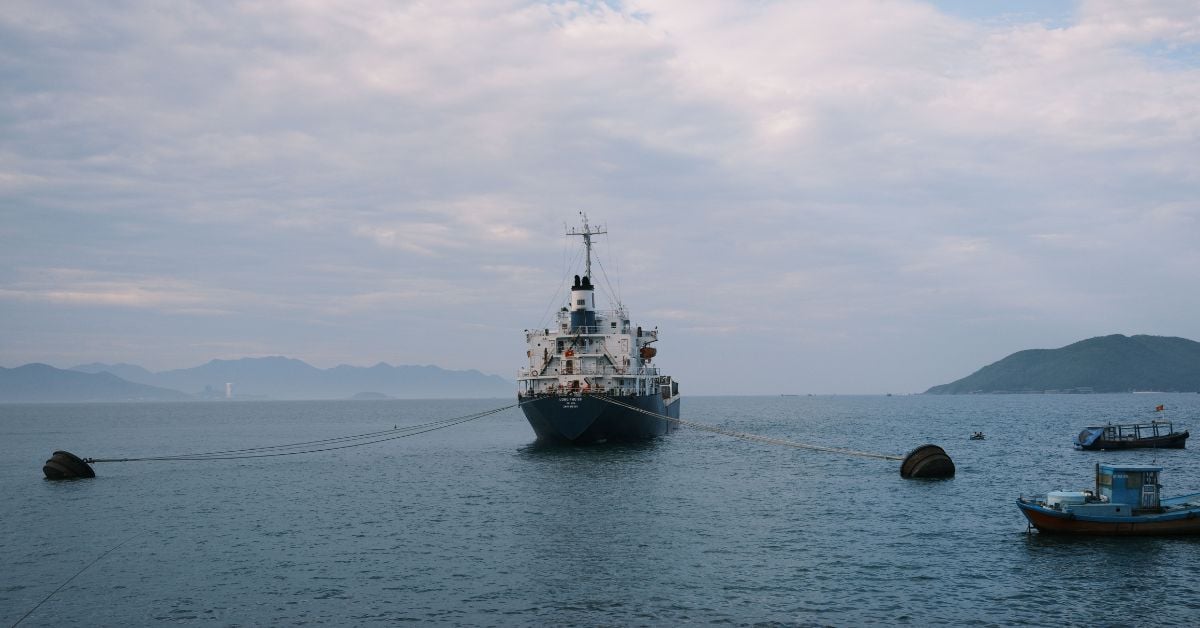
Iraqi Clan Retakes Hijacked Tanker in Five-Hour Gulf of Aden Action
A five-hour firefight in the Gulf of Aden ended with an Iraqi clan retaking a hijacked tanker from Somali pirates. This is not state-led naval intervention; it is tribal action with measurable results. The Al-Shaghanba clan demonstrated that localized force, when calibrated and decisive, can succeed where broader operations often stall. Such empirical outcomes challenge assumptions about maritime security. For deeper context on regional interdiction efforts, see our coverage of "Puntland Forces Intercept Hijacked, US-Sanctioned Oil Tanker After 48 Hours."

Crew Refusal Highlights Strait of Hormuz Risks for Maritime Workers
A refusal to transit the Strait of Hormuz is not a small decision; it is a direct measure of perceived risk. Sixteen Indian crew members aboard the Marshall Islands-flagged AM Pioneer have made that call, and their judgment speaks to the reality facing maritime workers in this waterway. Their choice underscores that safety concerns now outweigh the pressure to keep moving, a point that deserves serious attention from the industry.

Strait of Hormuz Traffic Plummets Amidst Escalating Tensions and Attacks
The Strait of Hormuz is tightening under pressure. Ship traffic has plummeted after attacks on five commodity tankers, a stark reminder that instability directly chokes global energy lifelines. While U.S.-Iran negotiations for a peace agreement remain stalled, the cost of inaction is measurable in real-time data. The parallel rise of Gulf of Oman STS transfers, covered in our related piece on maxed-out ship-to-ship operations, underscores how trade adapts, but never without risk.

QatarEnergy LNG Transit Signals Shift in Regional Trade Dynamics
The Al Areesh's passage through the Strait of Hormuz on July 29, following its July 4-6 loading at Ras Laffan, signals a measured recalibration of regional trade flows. This is not alarm, but observation: energy routes are shifting, and QatarEnergy LNG sits at the center of that realignment. The vessel's transit carries weight precisely because it is routine. For deeper context on how nearby waters are straining under increased traffic, our related coverage on Gulf of Oman STS transfers maxing out offers a useful parallel.

Mine Strike Damages Tanker in Strait of Hormuz; Shipping Risks Rise
A mine strike has damaged a tanker in the Strait of Hormuz after it left a shipping route designated by Iranian authorities, according to Tasnim. The incident underscores how quickly risk is escalating in a waterway that carries a third of global oil trade. This is not a distant threat; it is a live disruption with immediate consequences for maritime security.