uncrewed surface vessels
World Data Ocean keeps uncrewed surface vessels in one place: 4 stories so far. The section currently leads with “AI-powered robots accelerate naval hull inspections by fiftyfold”, “Clearing haze and color bias to sharpen ocean vision for autonomous vessels”, and “Mesh-networked USV engages aerial drone in validated maritime combat”. The U.S. Clearing haze and color bias from maritime images is not a trivial upgrade, it is a prerequisite for autonomous vessels to navigate safely. A Global Hub for Ocean Intelligence 4 World Data Ocean is a centralized digital platform where researchers, scientists, and ocean enthusiasts converge to… The list below is every uncrewed surface vessels story on World Data Ocean, newest first.
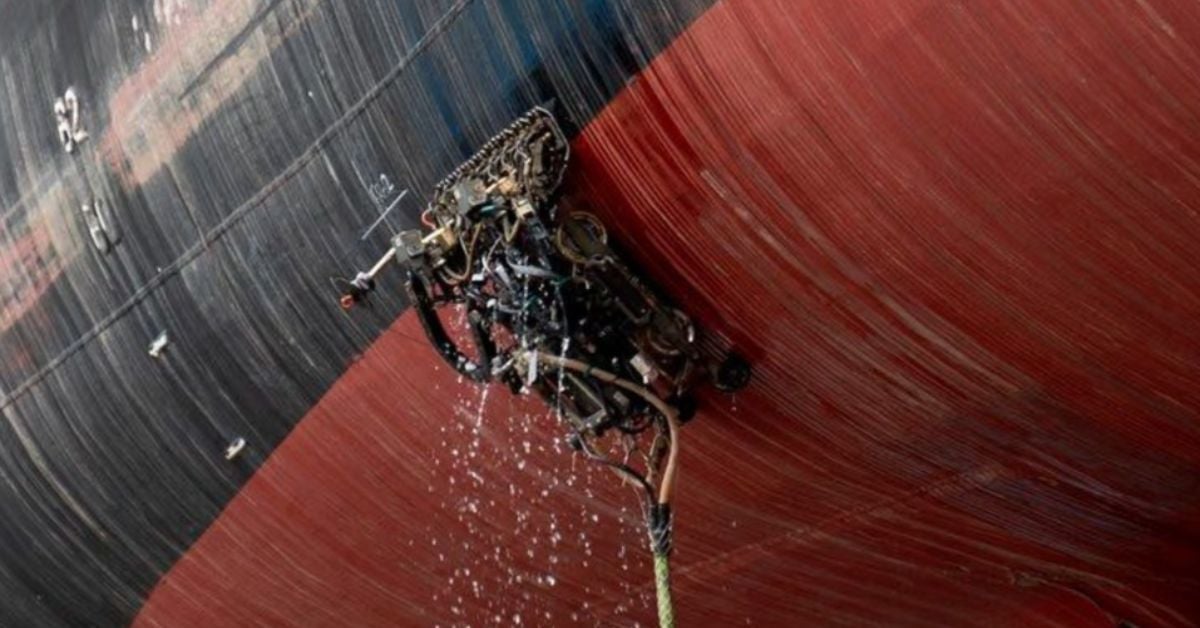
AI-powered robots accelerate naval hull inspections by fiftyfold
The U.S. Navy's $300 million deal with Gecko Robotics brings AI-powered robots that accelerate hull inspections by fiftyfold. This is not just a leap in efficiency; it is a calibrated integration of real-time ocean intelligence into naval maintenance. Validated, measurable data from these systems can reduce costly downtime and improve fleet readiness. For deeper context on maritime innovation, see our coverage of TOTE Services' integrated Navy landing craft program.

Clearing haze and color bias to sharpen ocean vision for autonomous vessels
Clearing haze and color bias from maritime images is not a trivial upgrade, it is a prerequisite for autonomous vessels to navigate safely. Conventional dehazing models fail under spatially uneven haze and persistent blue-green casts. This paper introduces a physics-driven Adaptive HazeData generator, a Color-Aware Channel Attention module, and a scenario-progressive continuous learning strategy. The results are state-of-the-art in structural preservation and color restoration. For real-world validation of autonomous maritime systems, see our coverage of the Sargan-3000 USV's aerial engagement.
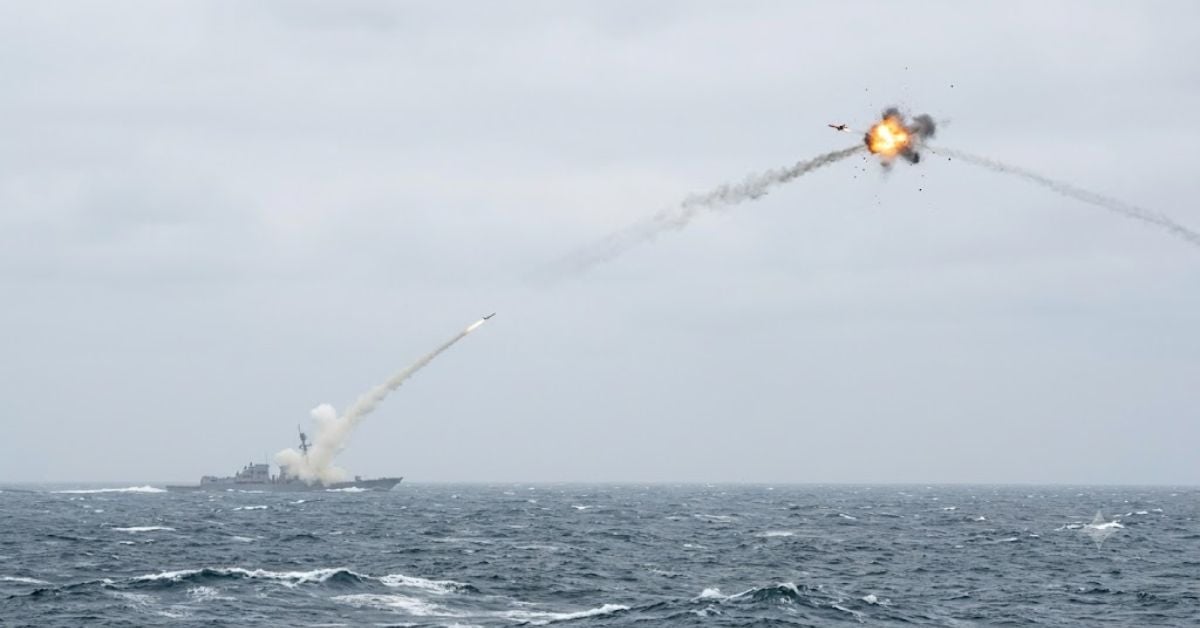
Mesh-networked USV engages aerial drone in validated maritime combat
A mesh-networked unmanned surface vessel has demonstrated validated maritime combat by shooting down a Russian Shahed-type drone. The Ukrainian Navy's Sargan-3000 operated through an integrated data ecosystem, proving that coordinated, real-time autonomy can deliver measurable results in contested waters. This is not abstract theory, it is empirical, peer-reviewed capability. Understanding drives protection. For deeper context on escalating Black Sea threats, see our coverage of the Bulgarian search for missing crew after a drone strike in its waters.

Autonomous Vessels Chart Ocean Depths in Navy Mapping Project
The U.S. Navy's selection of Boston-based Blue Water Autonomy to map ocean floors with uncrewed surface vessels marks a practical step forward in maritime intelligence. This is not flashy technology; it is calibrated, real-time data collection that strengthens navigational safety and operational awareness. The project reflects a growing trust in autonomous systems to perform precise, sustained work where crewed vessels face greater risk.