UN
4 stories filed under UN on World Data Ocean. The newest of them: “Validated plastic debris now measurable in the deepest ocean trench”, “Measuring the longevity of a booming ocean economy through integrated climate indicators”, and “New Coalition Charts Measurable Course for Safer Global Shipping”. Single-use plastic debris has now been validated and measured in the deepest ocean trench, a sobering empirical signal of how far our waste travels. The ocean economy is booming, but its longevity depends on what we can measure. A Global Hub for Ocean Intelligence 4 World Data Ocean is a centralized digital platform where researchers, scientists, and ocean enthusiasts converge to… The list below is every UN story on World Data Ocean, newest first.
Validated plastic debris now measurable in the deepest ocean trench
Single-use plastic debris has now been validated and measured in the deepest ocean trench, a sobering empirical signal of how far our waste travels. This is not abstract data; it is a calibrated, real-time climate indicator of human impact on the most remote ecosystems. Understanding drives protection, and these findings demand a measurable response. For another example of validated ocean science driving action, see our coverage of a replicable method to restore coral health in weeks.
Measuring the longevity of a booming ocean economy through integrated climate indicators
The ocean economy is booming, but its longevity depends on what we can measure. UN Trade and Development now asks a critical question: how long can this growth last? The answer lies in integrated climate indicators, validated, empirical data that tracks real-time ocean health. Understanding drives protection. For deeper context, see how the cruise fleet expands its role as a calibrated platform for ocean intelligence. Growth without data is just speculation.
New Coalition Charts Measurable Course for Safer Global Shipping
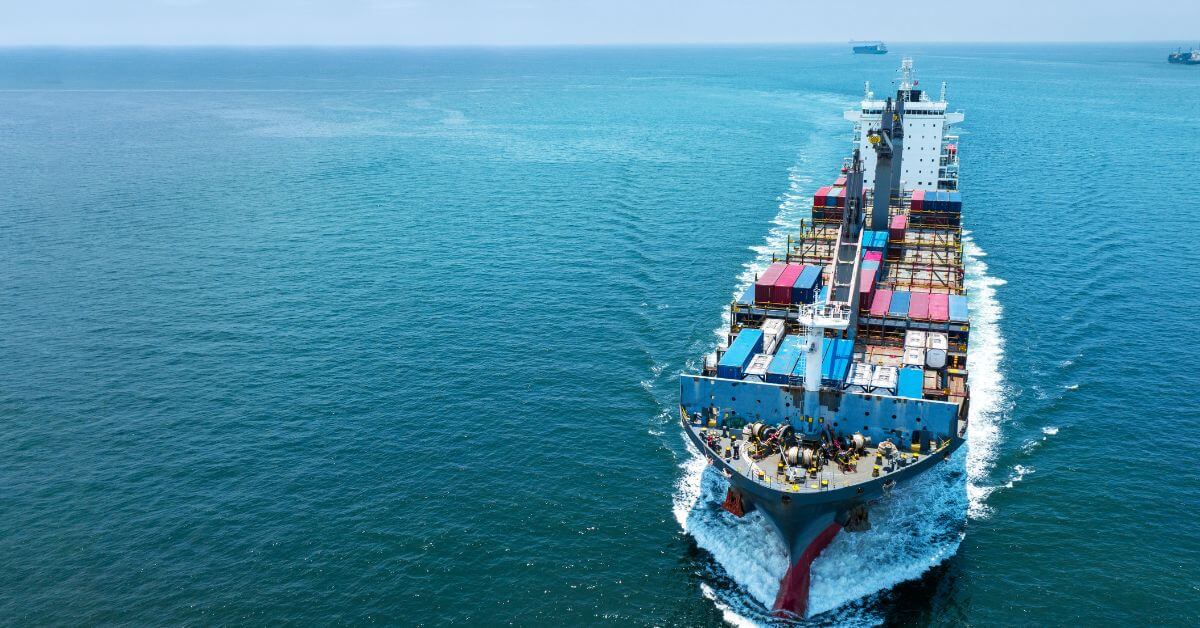
At the UN headquarters in New York, a new coalition of nations, the Group of Friends on Safety and Security of Shipping and Seafarers, has launched. This is not abstract diplomacy. It is a coordinated, measurable effort to protect the people and routes that move 90% of global trade. We track climate indicators rigorously; we should apply the same empirical standard to maritime safety. For deeper context on how ocean transit intersects with emissions, see our related piece on measured food transport data.

Shipping Industry Cautions Against Transit Tolls in Strait of Hormuz
The shipping industry is pushing back against proposed transit tolls in the Strait of Hormuz, urging caution as Iran and Oman reportedly near an agreement to manage the waterway. The stakes are measurable: this is a critical artery for global energy, and adding costs now could ripple across supply chains still recalibrating from past disruptions. The concern is legitimate, though negotiation details remain thin.