transit time
transit time at World Data Ocean is a file of 3 stories. The newest of them: “Northern Sea Route Logs 14,000 TEUs in Eight Pre-Winter Transits”, “Optimizing Port Traffic: AI Navigates Wind for Reduced Emissions”, and “India Eyes Northern Sea Route for Expedited Trade with Russia”. 14,000 TEUs moved through the Northern Sea Route in eight pre-winter transits, carrying energy equipment, power batteries, and new electric vehicles. Wind shapes more than wave height; it steers the very schedule of port arrivals. A Global Hub for Ocean Intelligence 4 World Data Ocean is a centralized digital platform where researchers, scientists, and ocean enthusiasts converge to… The list below is every transit time story on World Data Ocean, newest first.
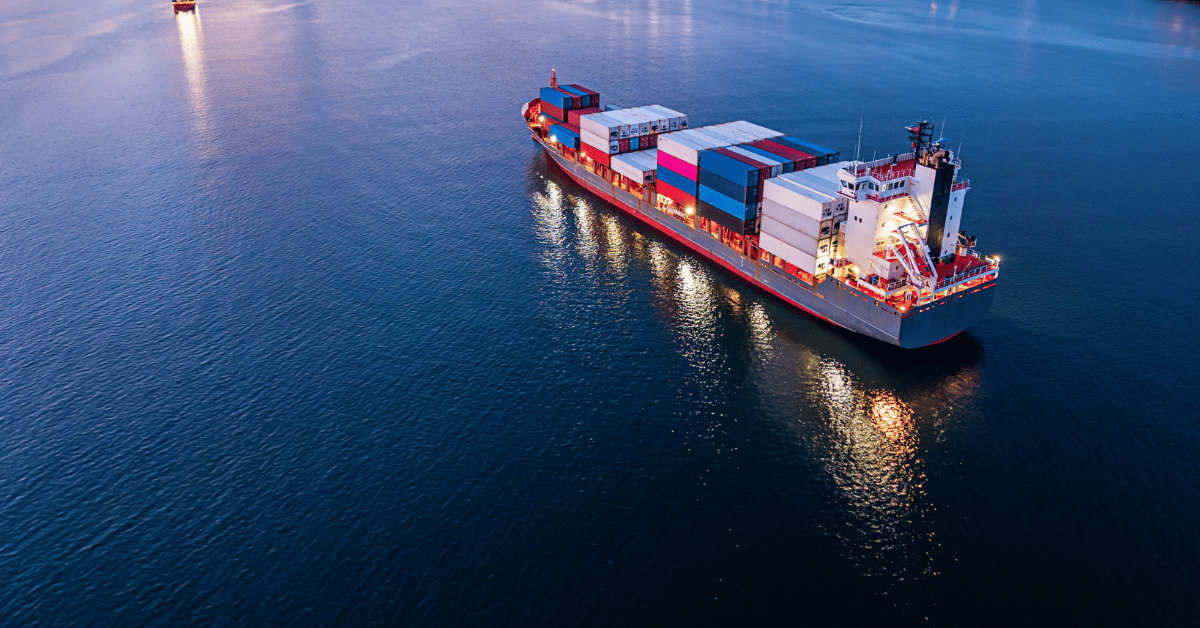
Northern Sea Route Logs 14,000 TEUs in Eight Pre-Winter Transits
14,000 TEUs moved through the Northern Sea Route in eight pre-winter transits, carrying energy equipment, power batteries, and new electric vehicles. These are not speculative projections, they are validated, measurable cargo flows demonstrating the Arctic's growing role in global logistics. As sea ice models evolve, understanding these shifts becomes essential. For deeper context on how we refine such environmental baselines, see "Refining sea ice models to capture fractal features reshapes estimates of Arctic marine production."

Optimizing Port Traffic: AI Navigates Wind for Reduced Emissions
Wind shapes more than wave height; it steers the very schedule of port arrivals. This study from Caofeidian Port shows that real-time wind, when treated as both an emission driver and a scheduling constraint, can cut CO2 by 11.41% over first-come, first-served methods, even with a modest 7.49% rise in system time. The Pareto MO-PPO framework offers operators explicit trade-offs, not a single fixed answer.

India Eyes Northern Sea Route for Expedited Trade with Russia
India is charting a new course to the Arctic. With plans to send its first cargo ship along Russia's Northern Sea Route in 2027, New Delhi is looking to bypass the Suez Canal and cut transit time as bilateral trade with Moscow expands under sanctions. It is a pragmatic, data-driven move, one that reflects how geopolitical pressures are redrawing maritime logistics. For readers tracking parallel disruptions, our coverage of strikes targeting ports and vessels in confirmed military action offers broader context on the region's volatility.