toxic
World Data Ocean keeps toxic in one place: 3 stories so far. The section currently leads with “Predicting maritime ammonia leaks through a validated digital twin system”, “Rapid PAH Assessment in Seabirds Reveals Contamination Risks.”, and “Maersk Expands Ammonia Carrier Fleet, Signaling Green Shipping Shift”. A validated digital twin now targets ammonia leaks at sea. A validated HPLC method now gives researchers a practical way to measure PAH contamination in seabird blood plasma, with limits of quantification comparable to recent studies. A Global Hub for Ocean Intelligence 4 World Data Ocean is a centralized digital platform where researchers, scientists, and ocean enthusiasts converge to… The list below is every toxic story on World Data Ocean, newest first.
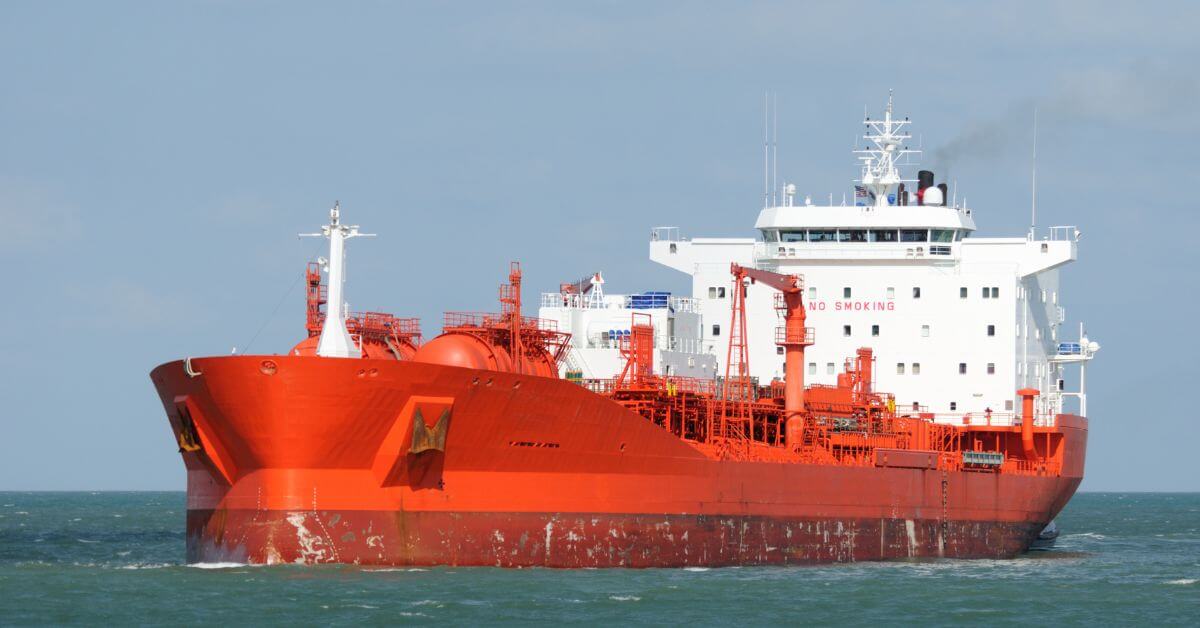
Predicting maritime ammonia leaks through a validated digital twin system
A validated digital twin now targets ammonia leaks at sea. The American Bureau of Shipping, HD Korea Shipbuilding & Offshore Engineering and Siemens are building a system that turns predictive modeling into a measurable safety layer for maritime operations. This is not theoretical. Empirical, real-time validation is what makes a digital twin useful. For related context on how vessels already gather ocean intelligence, see "Cruise fleet expands its role as a calibrated platform for ocean intelligence."

Rapid PAH Assessment in Seabirds Reveals Contamination Risks.
A validated HPLC method now gives researchers a practical way to measure PAH contamination in seabird blood plasma, with limits of quantification comparable to recent studies. Applied to Brown boobies along the Rio de Janeiro coast, the approach revealed low-level exposure consistent with chronic background contamination rather than acute events. That distinction matters. The method's simplicity reduces handling risks and supports ongoing monitoring. For readers tracking related environmental health risks, our coverage of automated soil microplastic separation offers a complementary look at contaminant detection.

Maersk Expands Ammonia Carrier Fleet, Signaling Green Shipping Shift
Maersk's decision to secure nine additional very large ammonia carriers this year, bringing its order book to 22 vessels valued at $2.55 billion, signals a deliberate move toward decarbonized shipping. This is not speculation; it is committed capital. Ammonia's viability as a marine fuel rests on measurable infrastructure progress, and these orders provide the empirical weight that climate discussions often lack. The scale is purposeful, and the direction is clear.