touch
World Data Ocean keeps touch in one place: 3 stories so far. The section currently leads with “Validated coral recovery offers measurable hope for ocean ecosystem resilience”, “Contact between genetically identical corals enables recovery from severe bleaching”, and “Help Identify an Uncommon Spiny Specimen from Kachemak Bay Tide Pools”. Validated coral recovery is not just a biological curiosity, it is a measurable signal of hope for ocean ecosystem resilience. Severely bleached corals can recover by simply touching healthy, genetically identical corals. A Global Hub for Ocean Intelligence 4 World Data Ocean is a centralized digital platform where researchers, scientists, and ocean enthusiasts converge to… The list below is every touch story on World Data Ocean, newest first.
Validated coral recovery offers measurable hope for ocean ecosystem resilience
Validated coral recovery is not just a biological curiosity, it is a measurable signal of hope for ocean ecosystem resilience. When peer-reviewed data confirms that damaged reefs can regenerate, we gain empirical evidence that our integrated data ecosystem is tracking real climate indicators. This is ocean intelligence at its most purposeful. For deeper context on how genetic identity enables this remarkable comeback, see our related coverage of "Contact between genetically identical corals enables recovery from severe bleaching."
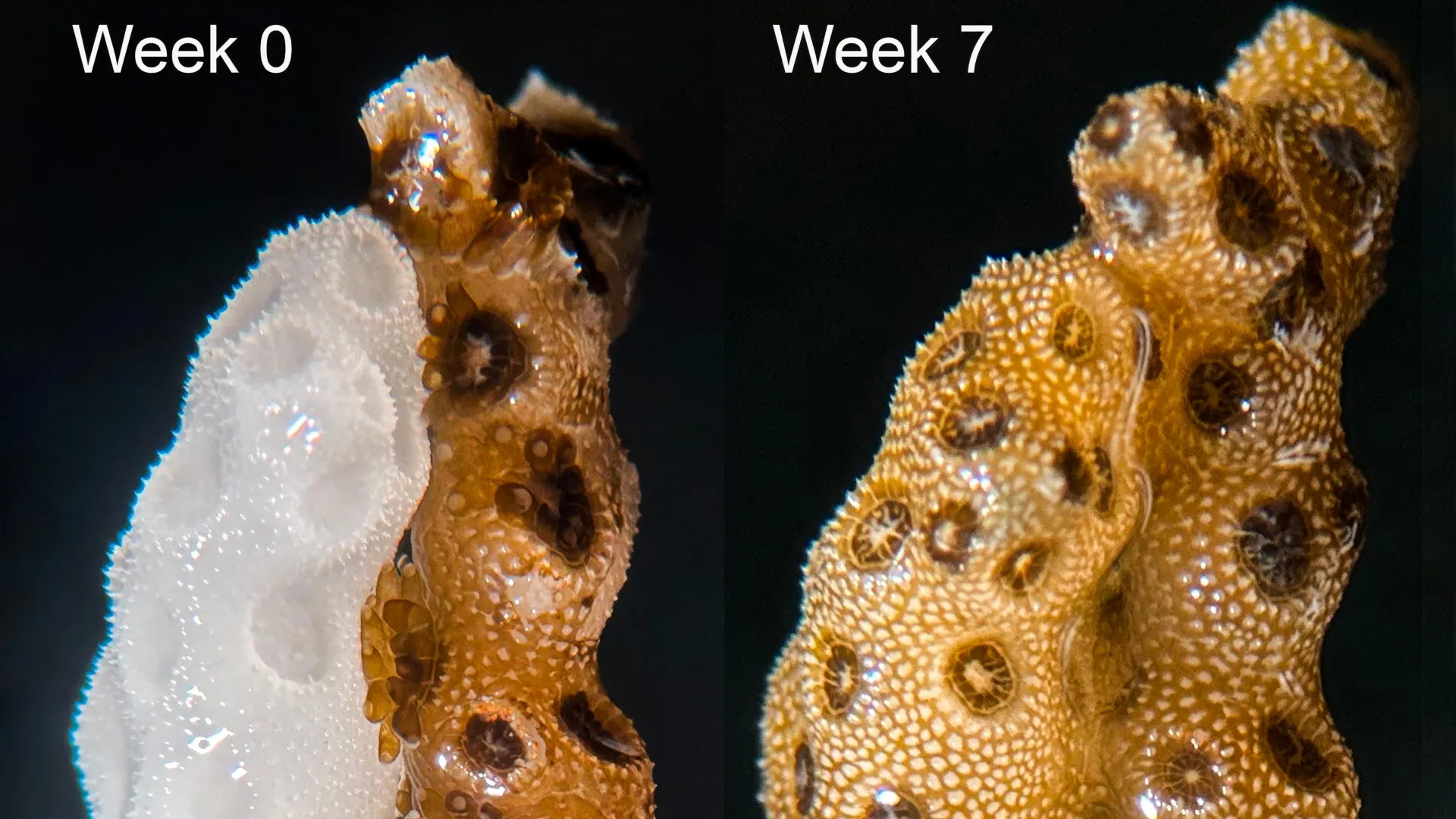
Contact between genetically identical corals enables recovery from severe bleaching
Severely bleached corals can recover by simply touching healthy, genetically identical corals. In laboratory experiments, dying colonies regained their full color within seven weeks, with as little as five days of contact triggering the healing process. This is a measurable, validated pathway to resilience, one that reframes recovery as an integrated, social process. The finding pairs well with our coverage of Western Atlantic corals facing rising heat, offering a concrete mechanism for hope amid climate stress.

Help Identify an Uncommon Spiny Specimen from Kachemak Bay Tide Pools
A spiny, cream-colored specimen, partially veiled by kelp, was spotted in the tide pools of Kachemak Bay State Park, Alaska, and the community is now asked to help identify it. The observer's restraint, choosing not to disturb the organism, reflects a respectful approach to field science. Such careful documentation builds our shared understanding of coastal biodiversity. For deeper context on how community-driven observation complements formal expertise, see our related piece, "Experience and expertise over credentials: a path to ocean science."