Tolls
Tolls at World Data Ocean is a file of 3 stories. The newest of them: “Strait of Hormuz Incident Raises Concerns Over Maritime Security and Trade.”, “Shifting Shipping Patterns: Omani Route Gains Prominence Through Strait.”, and “US Imposes Shipping Fee in Strait of Hormuz, Challenging International Law”. New tolls and targeted attacks in the Strait of Hormuz are not abstract threats; they are live disruptions to the trade routes that move global energy. A month ago, the Omani route saw almost no commercial traffic. A Global Hub for Ocean Intelligence 4 World Data Ocean is a centralized digital platform where researchers, scientists, and ocean enthusiasts converge to… The list below is every Tolls story on World Data Ocean, newest first.
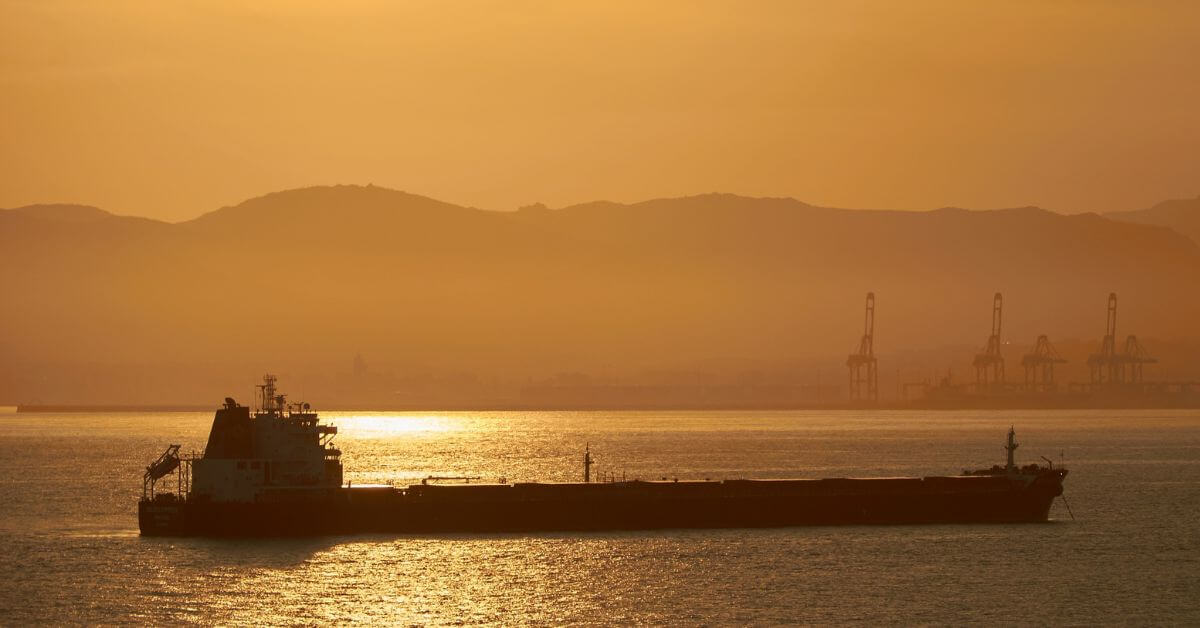
Strait of Hormuz Incident Raises Concerns Over Maritime Security and Trade.
New tolls and targeted attacks in the Strait of Hormuz are not abstract threats; they are live disruptions to the trade routes that move global energy. Iran's actions against vessels it accuses of bypassing its preferred path introduce a volatile new layer of risk, turning a critical waterway into a flashpoint. This escalation demands measured, empirical observation.

Shifting Shipping Patterns: Omani Route Gains Prominence Through Strait.
A month ago, the Omani route saw almost no commercial traffic. Now, it is gaining prominence through the Strait, a shift that speaks to how quickly maritime dynamics can change. Kpler's data makes the pivot measurable, and that matters. This is not speculation; it is empirical movement. For deeper context on the pressure building in these waters, our piece on Gulf of Oman STS Transfers Max Out Amid Rising Saudi Oil Exports tracks the capacity constraints driving such realignments.

US Imposes Shipping Fee in Strait of Hormuz, Challenging International Law
The United States has announced it will reimpose its Iranian blockade and levy a 20% fee on cargo shipments transiting the Strait of Hormuz, a directive the International Maritime Organization has declared legally baseless. This unilateral move challenges the rules-based order that governs global shipping. Forcing a fee on a critical chokepoint risks escalating tensions, not resolving them. The IMO's objection is clear: no legal foundation exists for such an action. Our related coverage on phased negotiations to ease Hormuz restrictions offers essential context.