technology gap
technology gap at World Data Ocean is a file of 2 stories. The newest of them: “Global fishing fleets show measurable carbon efficiency gaps across three distinct fishery structures” and “Empirical Gap Revealed: 82% of Maritime Professionals Cite Training Lagging Behind Digital Operations”. Global fishing fleets operate at a mean carbon efficiency of just 0.331, revealing stark gaps between three distinct fishery structures. Eighty-two percent of maritime professionals report that current training fails to prepare crews for digital ship operations. A Global Hub for Ocean Intelligence 4 World Data Ocean is a centralized digital platform where researchers, scientists, and ocean enthusiasts converge to… The list below is every technology gap story on World Data Ocean, newest first.

Global fishing fleets show measurable carbon efficiency gaps across three distinct fishery structures
Global fishing fleets operate at a mean carbon efficiency of just 0.331, revealing stark gaps between three distinct fishery structures. Our analysis of 66 nations from 1995 to 2017 shows that managerial inefficiency accounts for 69% of the 85.4 Mt CO2-eq annual reduction potential, meaning most countries can cut emissions with existing technology. For Indonesia and India, catching up to best practices within their peer group offers the clearest path forward.
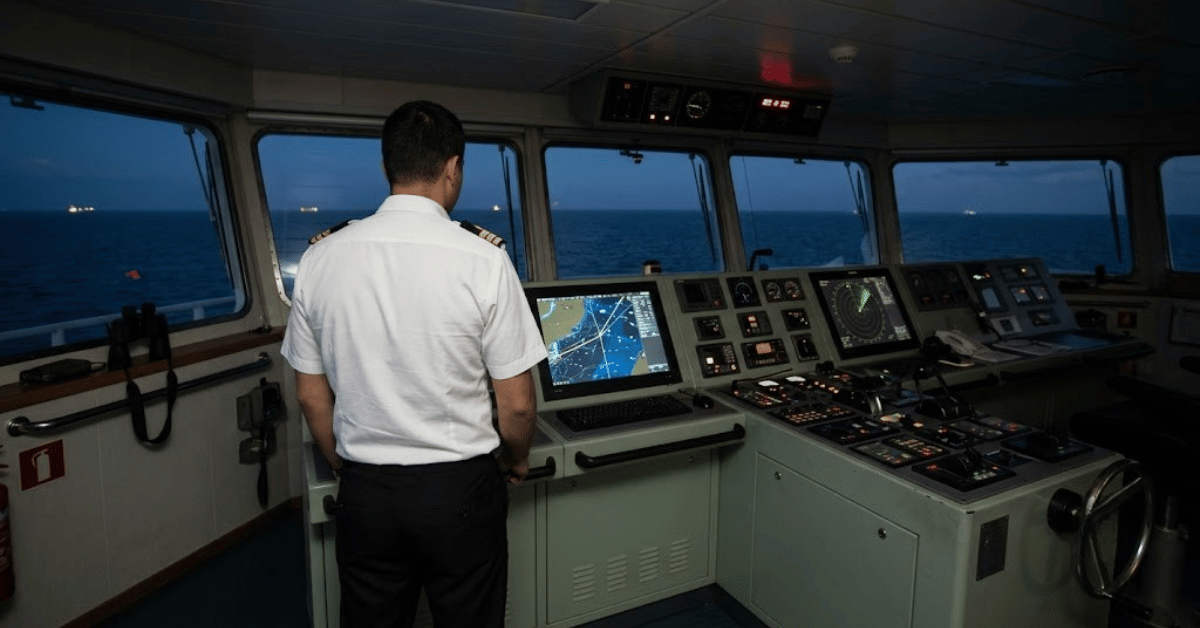
Empirical Gap Revealed: 82% of Maritime Professionals Cite Training Lagging Behind Digital Operations
Eighty-two percent of maritime professionals report that current training fails to prepare crews for digital ship operations. This is not a minor gap; it is a systemic failure to keep pace with technological reality on the water. When our tools evolve faster than our people, safety and efficiency both suffer. For deeper context on how protocol often lags behind practice, see our related coverage of "Three decades of enclosed space incidents reveal systemic gaps between safety protocols and crew realities."