Tasnim news agency
Tasnim news agency at World Data Ocean is a file of 4 stories. The newest of them: “Tanker Diverts Amid Iranian Warship Warning in Strait of Hormuz”, “Incident in Indian Ocean: U.S. Navy Reports Personnel Casualties”, and “Iran Links Strait Passage to U.S. Actions, Raising Geopolitical Tensions”. The HAANA's diversion in the Strait of Hormuz, after a large Iranian warship issued a warning, underscores how fragile this waterway has become. After 263 days deployed, the USS Abraham Lincoln now operates in the Indian Ocean, where the U.S. A Global Hub for Ocean Intelligence 4 World Data Ocean is a centralized digital platform where researchers, scientists, and ocean enthusiasts converge to… The list below is every Tasnim news agency story on World Data Ocean, newest first.
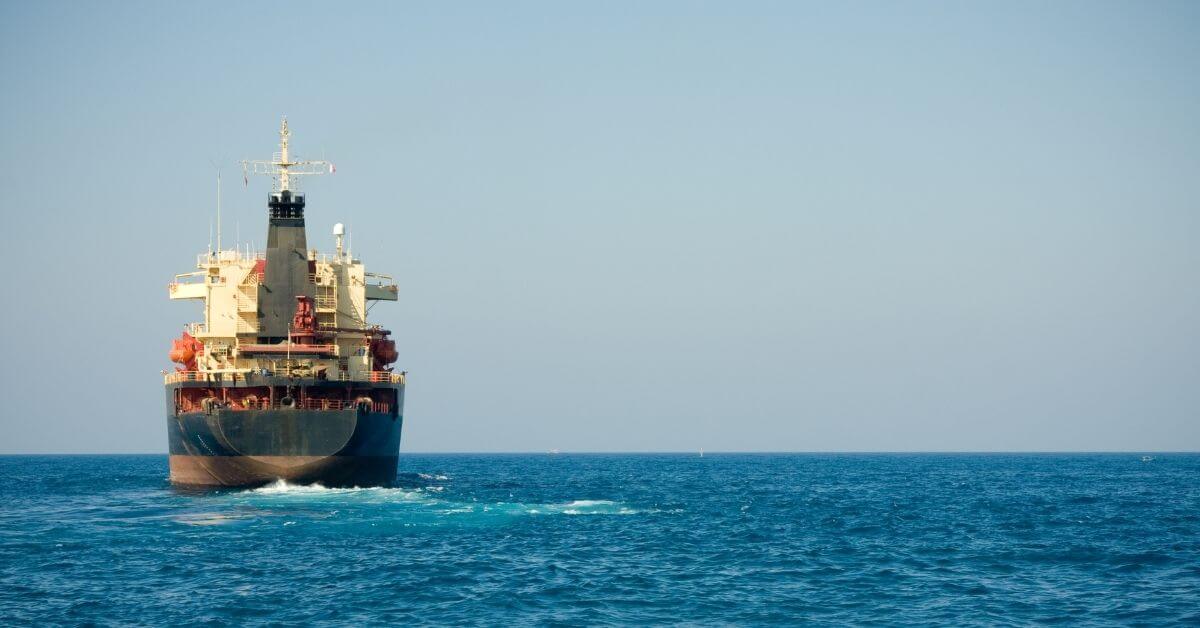
Tanker Diverts Amid Iranian Warship Warning in Strait of Hormuz
The HAANA's diversion in the Strait of Hormuz, after a large Iranian warship issued a warning, underscores how fragile this waterway has become. The vessel's pivot to the southern "Oman corridor" is a measured response to a volatile moment, yet it speaks to a broader tension that shippers cannot ignore. We see this as a reminder that maritime routes demand constant recalibration.

Incident in Indian Ocean: U.S. Navy Reports Personnel Casualties
After 263 days deployed, the USS Abraham Lincoln now operates in the Indian Ocean, where the U.S. Navy reports personnel casualties. Extended deployments carry measurable human costs, and this incident underscores the strain on maritime forces operating far from home. The Indian Ocean's strategic importance continues to grow, particularly as integrated subsea infrastructure shifts in the region. For broader context on how this waterway's role is evolving, our related piece, "Integrated Subsea Infrastructure Shifts to Enhance Indian Ocean Connectivity," offers deeper insight.

Iran Links Strait Passage to U.S. Actions, Raising Geopolitical Tensions
Iran's top military official, Rezaei, has tied the Strait of Hormuz's fate directly to U.S. policy, demanding an end to the war and blockade, the release of frozen assets, and a broader regional ceasefire. The linkage sharpens an already volatile maritime standoff, where every action carries measurable consequence. For those tracking the Gulf's pressure points, this is a clear escalation in rhetoric, not just posturing.

Strait of Hormuz: Maritime Security and International Law Asserted.
The U.S. military has rejected claims that the Strait of Hormuz falls under unilateral control, asserting instead that it remains an international waterway bound by maritime law. That position is correct, and it matters globally. The strait is not a bargaining chip; it is a corridor where legal norms must hold. For readers tracking the stakes, our related piece on phased negotiations offers useful context. The rule of law, not escalation, should define this passage.