Syria
Syria at World Data Ocean is a file of 10 stories. The newest of them: “Captain of Russian-controlled bulker charged over 54,000 tonnes of Ukrainian grain”, “Drones Strike Cargo Ship Linked to Russia Amidst Mediterranean Tensions”, and “Easing Tensions: Iran Permits Iraqi Oil Tankers Through Strait of Hormuz”. The captain of a Russian-controlled bulker now faces charges in Ukraine over the alleged transport of 54,000 tonnes of Ukrainian grain. A drone strike has hit the cargo ship *Lady Mariia*, formerly *Stella-Maria*, after it departed Algeria's Oran port, injecting new volatility into Mediterranean shipping routes linked to Russian interests. A Global Hub for Ocean Intelligence 4 World Data Ocean is a centralized digital platform where researchers, scientists, and ocean enthusiasts converge to… The list below is every Syria story on World Data Ocean, newest first.
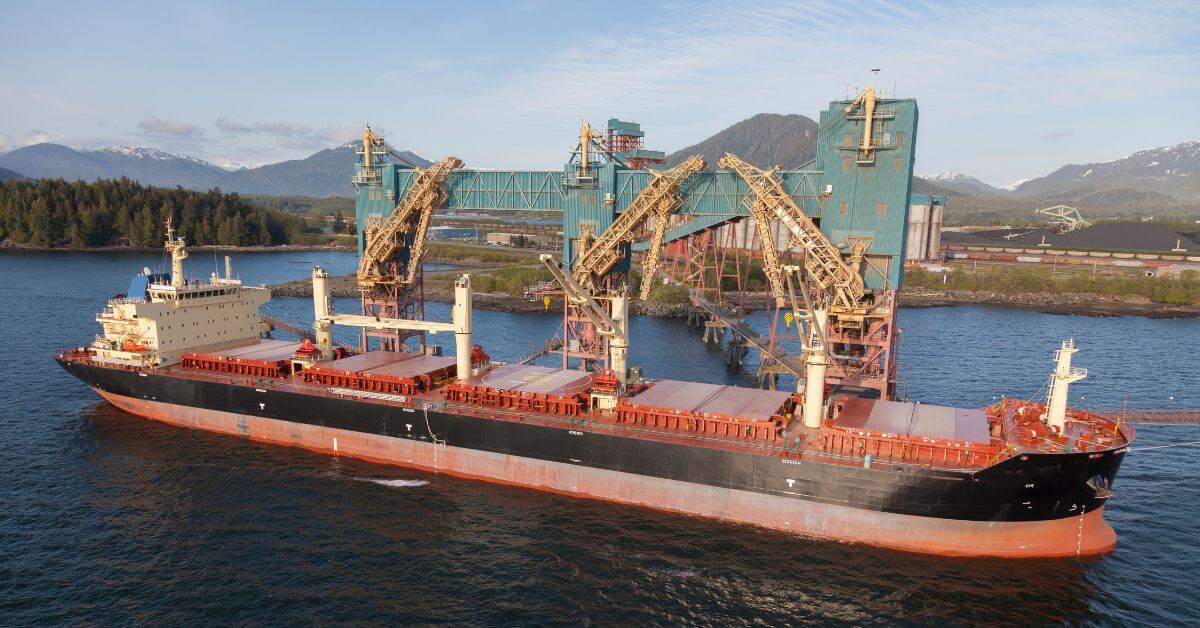
Captain of Russian-controlled bulker charged over 54,000 tonnes of Ukrainian grain
The captain of a Russian-controlled bulker now faces charges in Ukraine over the alleged transport of 54,000 tonnes of Ukrainian grain. This is not merely a shipping dispute; it is a measurable act within a larger pattern of resource exploitation. Accountability must be calibrated to the scale of the crime. For broader context on maritime accountability, see our coverage of the *June Aster* ferry fire tragedy, where a captain also faces criminal charges.
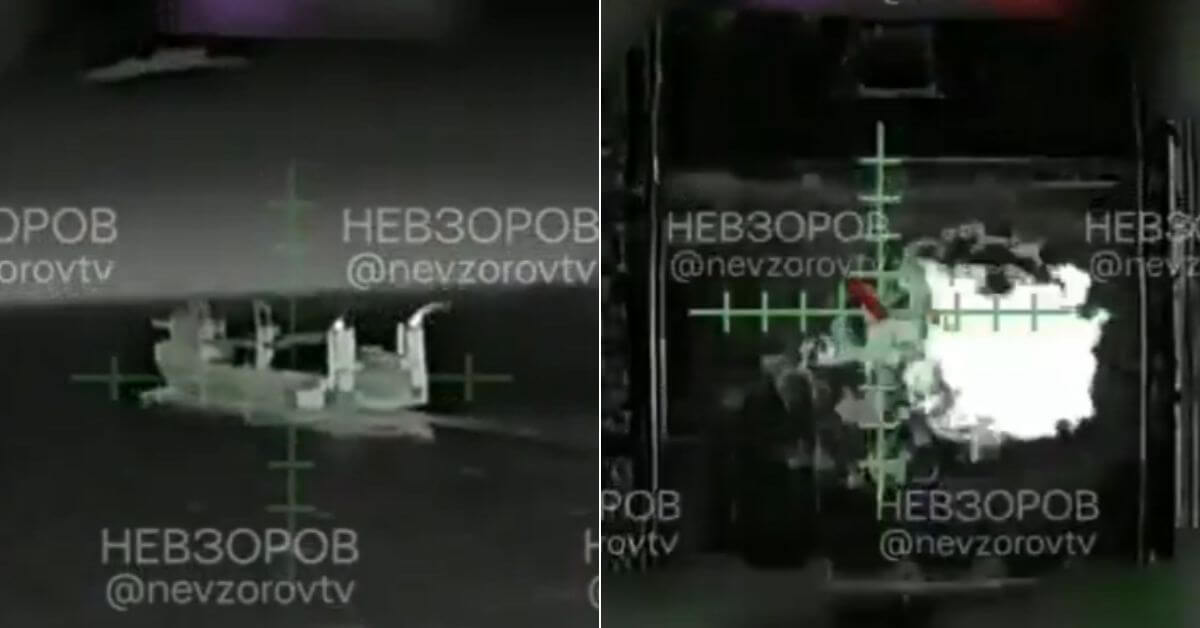
Drones Strike Cargo Ship Linked to Russia Amidst Mediterranean Tensions
A drone strike has hit the cargo ship *Lady Mariia*, formerly *Stella-Maria*, after it departed Algeria's Oran port, injecting new volatility into Mediterranean shipping routes linked to Russian interests. This is not an isolated incident; it reflects growing maritime friction amid geopolitical realignments. For deeper context on Arctic energy pressures driving such tensions, see our coverage of the *Vostok Project's* oil exports. Understanding these interconnected threats is essential for assessing ocean security in a shifting global order.

Easing Tensions: Iran Permits Iraqi Oil Tankers Through Strait of Hormuz
Iran's decision to permit some Iraqi oil tankers through the Strait of Hormuz follows repeated diplomatic requests from Baghdad, a measured step toward reducing friction in a waterway that carries a fifth of global oil supply. The move signals pragmatism, not capitulation, and it aligns with broader efforts to stabilize regional energy flows. For those tracking the Gulf's intricate logistics, this is a welcome, if conditional, easing.

Accountability Demanded: Trump Links Iran's Actions to Compensation Claims.
President Trump's demand that Iran shoulder compensation for damages and deaths across Lebanon, Syria, Yemen, and Gaza is a direct assertion of accountability, posted plainly on Truth Social. The claim is stark, yet it raises a measured question: can state responsibility be calibrated when conflicts blur the line between direct action and influence? This is not alarmism; it is a demand for legal and financial reckoning.

Caffa Transfer to Ukraine Confirmed: Swedish Court Ruling in Grain Case
A Swedish court has confirmed the transfer of the Caffa to Ukraine, ending the vessel's detention by authorities in March 2026. The 96-metre general cargo ship, with a deadweight capacity of 4,337 tonnes, now moves under Ukrainian control following a ruling in a grain-related case. The decision is a measured legal step, one that underscores how maritime disputes intersect with broader geopolitical realities. For context on regional port disruptions, see our coverage of strikes targeting vessels and infrastructure.

Bulk Carrier Grounds in Dardanelles Strait Following Engine Failure
A 190-metre bulk carrier ran aground in the Dardanelles Strait after an engine failure, halting its passage from Syria to Russia at the Nara turn. Mechanical casualties in this narrow waterway test both crew response and navigational precision. The San Marino-flagged vessel's grounding underscores how quickly transit disrupts in a region already dense with maritime activity. We track these incidents because each one adds to the operational picture. For broader context on regional pressures, see our coverage of strikes targeting vessels in the Black Sea.

Diversifying Exports: Iraq and Syria Plan Mediterranean Oil Pipeline.
Iraq and Syria are advancing plans for a Mediterranean oil pipeline, a move that would diversify export routes and strengthen Iraq's energy sector. The proposal signals a deliberate effort to attract foreign investment while reducing reliance on existing chokepoints. It is a pragmatic step, though one that carries geopolitical and logistical weight. For context on regional maritime pressures, our related coverage on Gulf of Oman STS transfers highlights how tightly stretched export infrastructure has become.

Attack on Cargo Ship Highlights Risks to Vital Grain Exports
Three Russian cruise missiles struck the Golden Leo, a cargo ship carrying corn, shortly after it departed Odesa, Ukrainian officials reported. This attack on a vital grain export route is not just an assault on a vessel; it is a calculated disruption of global food supply. The sea must remain open for commerce, not closed by aggression.

Mediterranean Sea Sees First Russian Warship Absence Since 2013.
For the first time since 2013, the Mediterranean Sea holds no Russian naval presence, a quiet but telling absence. This is not a headline built on alarm; it is a measurable shift in regional posture, one that invites scrutiny of logistics, priorities, and pressure points. The signal is clear: operational reach has limits, and those limits are now visible. For deeper context on how Russia is recalibrating its maritime strategy, our piece on the Northern Sea Route icebreaker fleet offers a useful counterpoint.

Diversifying Gulf Oil Routes: U.S. and Iraq Forge New Shipping Pathways
New shipping agreements between U.S. firms and Iraq signal a calculated response to an uncertain Strait of Hormuz. Diversifying Gulf oil routes is no longer theoretical; it is underway. This move reflects measured foresight, not panic, and strengthens the argument that maritime resilience depends on integrated planning. For readers tracking the region's pressure points, our related coverage on Gulf of Oman STS transfers maxing out offers useful context. Strategic adaptation, validated by real-time logistics, remains the clearest path forward.