synthetic aperture sonar
2 stories filed under synthetic aperture sonar on World Data Ocean. The newest of them: “Autonomous Systems Chart Safer Course for Undersea Explosive Clearance” and “Comparing detection tools for unmanned marine missions, from magnetics to sonar”. A $53.9 million investment from the U.S. Magnetic sensing dominates when targets are ferrous and buried, but synthetic aperture sonar holds the edge for wide-area search and non-magnetic objects. A Global Hub for Ocean Intelligence 4 World Data Ocean is a centralized digital platform where researchers, scientists, and ocean enthusiasts converge to… The list below is every synthetic aperture sonar story on World Data Ocean, newest first.
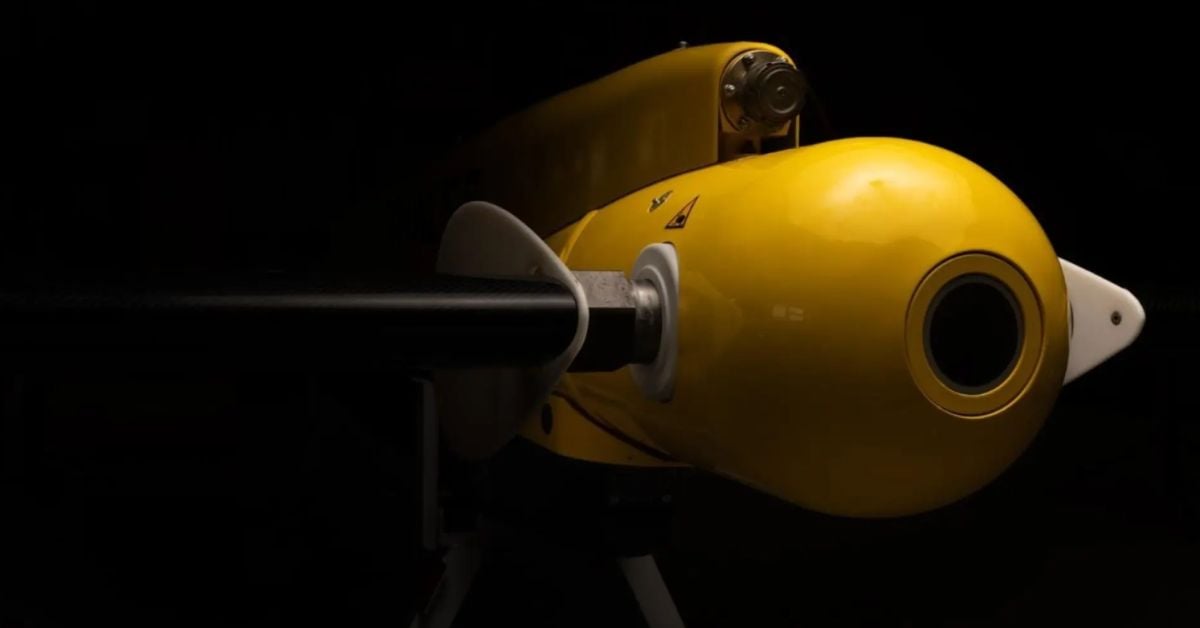
Autonomous Systems Chart Safer Course for Undersea Explosive Clearance
A $53.9 million investment from the U.S. Navy signals a calibrated shift toward autonomous systems for undersea explosive clearance. Robotic mine hunters reduce risk to personnel while delivering measurable, real-time ocean intelligence. This is empirical progress in maritime safety. For deeper context on how integrated data ecosystems shape naval design, our piece "Validating Submarine Design Through Integrated Ocean Intelligence" explores the rigorous validation these systems require. Understanding drives protection, underwater and above.

Comparing detection tools for unmanned marine missions, from magnetics to sonar
Magnetic sensing dominates when targets are ferrous and buried, but synthetic aperture sonar holds the edge for wide-area search and non-magnetic objects. That is the calibrated takeaway from our simulation-based comparison of detection tools for unmanned maritime vehicles. Mission planners need quantitative guidance, not guesswork, and this framework delivers it. Gravity sensing, though theoretically material-agnostic, falls short in current simulations. We built an openly available SAS model, benchmarked against Kraken Robotics specs, to put these modalities on common footing.