subduction
World Data Ocean keeps subduction in one place: 3 stories so far. The section currently leads with “Volcanic remains beneath the seafloor reveal how Challenger Deep formed”, “Cascadia and San Andreas: Evidence Suggests Sequential Earthquake Risk”, and “Cascadia and San Andreas: Linked Earthquake Risk Emerges from Ocean Data”. Beneath the seafloor, volcanic remains reveal a new chapter in how Challenger Deep formed. Beneath the Pacific, 3,100 years of ocean sediments tell a story of linked rupture: the Cascadia subduction zone and northern San Andreas fault may occasionally fail in near-tandem, unleashing earthquakes minutes to… A Global Hub for Ocean Intelligence 4 World Data Ocean is a centralized digital platform where researchers, scientists, and ocean enthusiasts converge to… The list below is every subduction story on World Data Ocean, newest first.
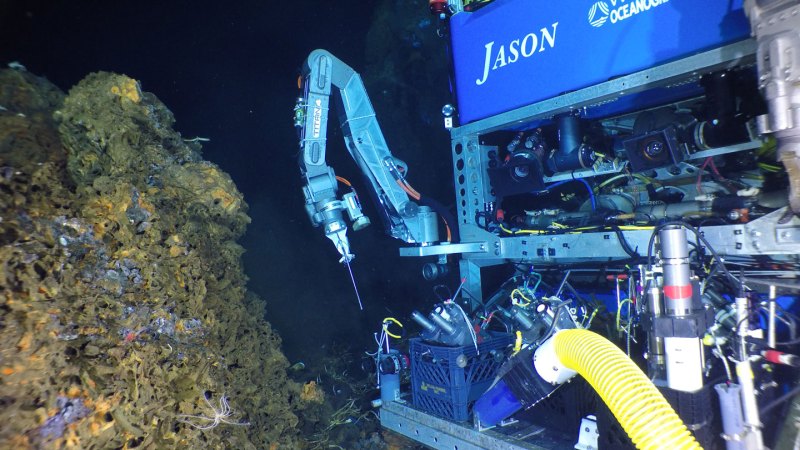
Volcanic remains beneath the seafloor reveal how Challenger Deep formed
Beneath the seafloor, volcanic remains reveal a new chapter in how Challenger Deep formed. These are the deepest known remnants of explosive volcanism, offering a tangible clue to the forces that carved the ocean's most extreme point. This discovery is both humbling and instructive, it reminds us that Earth's most dramatic features are built by processes we are still learning to measure. For more on hidden deep-sea worlds, explore our coverage of "Discovering wonder in the Southern Ocean's hidden depths."
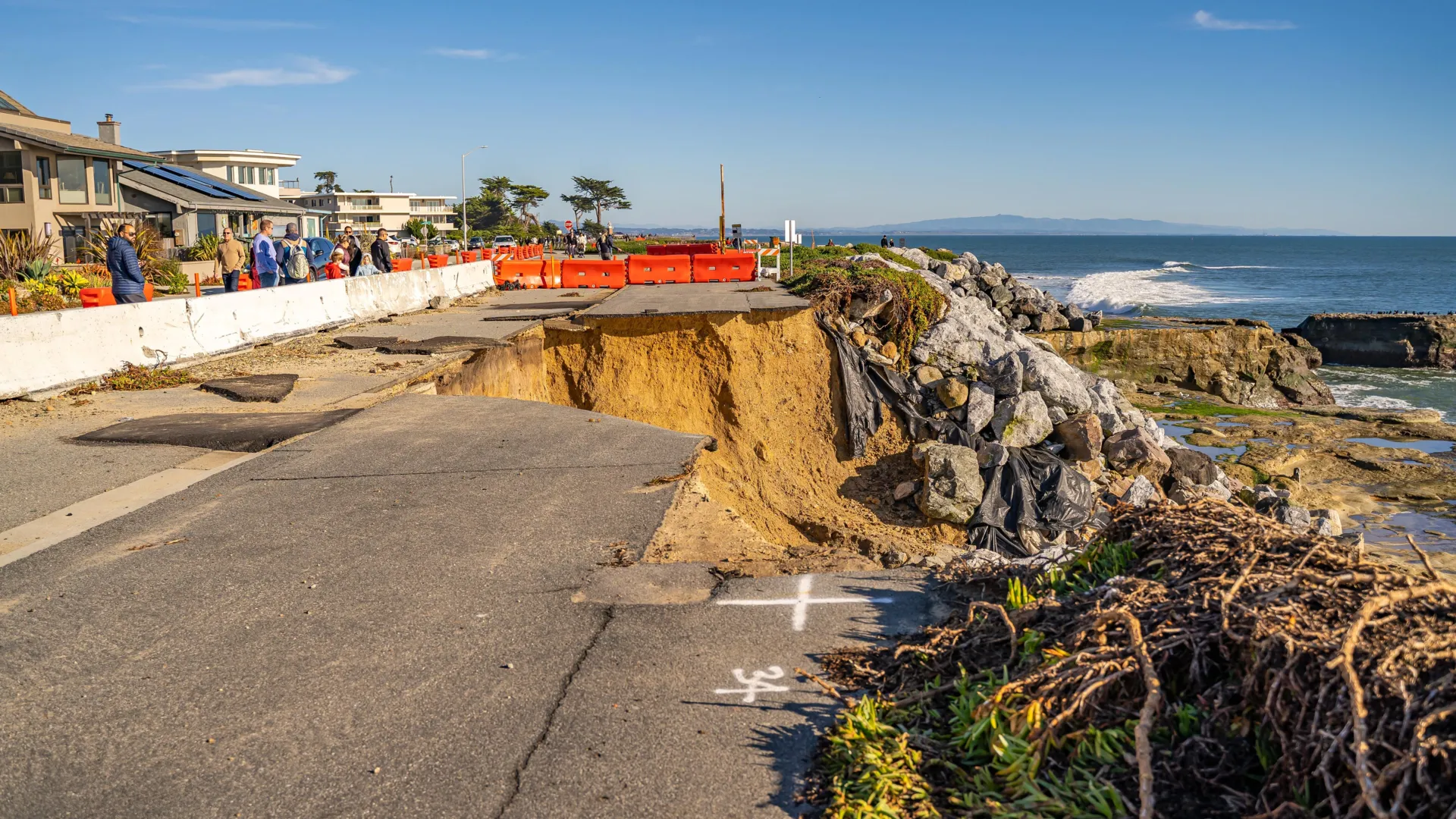
Cascadia and San Andreas: Evidence Suggests Sequential Earthquake Risk
Beneath the Pacific, 3,100 years of ocean sediments tell a story of linked rupture: the Cascadia subduction zone and northern San Andreas fault may occasionally fail in near-tandem, unleashing earthquakes minutes to hours apart. The 1700 event looms large in this record, and the implication is sobering. If synchronization recurs, West Coast cities could face simultaneous emergencies. This is the kind of integrated hazard that demands our attention.
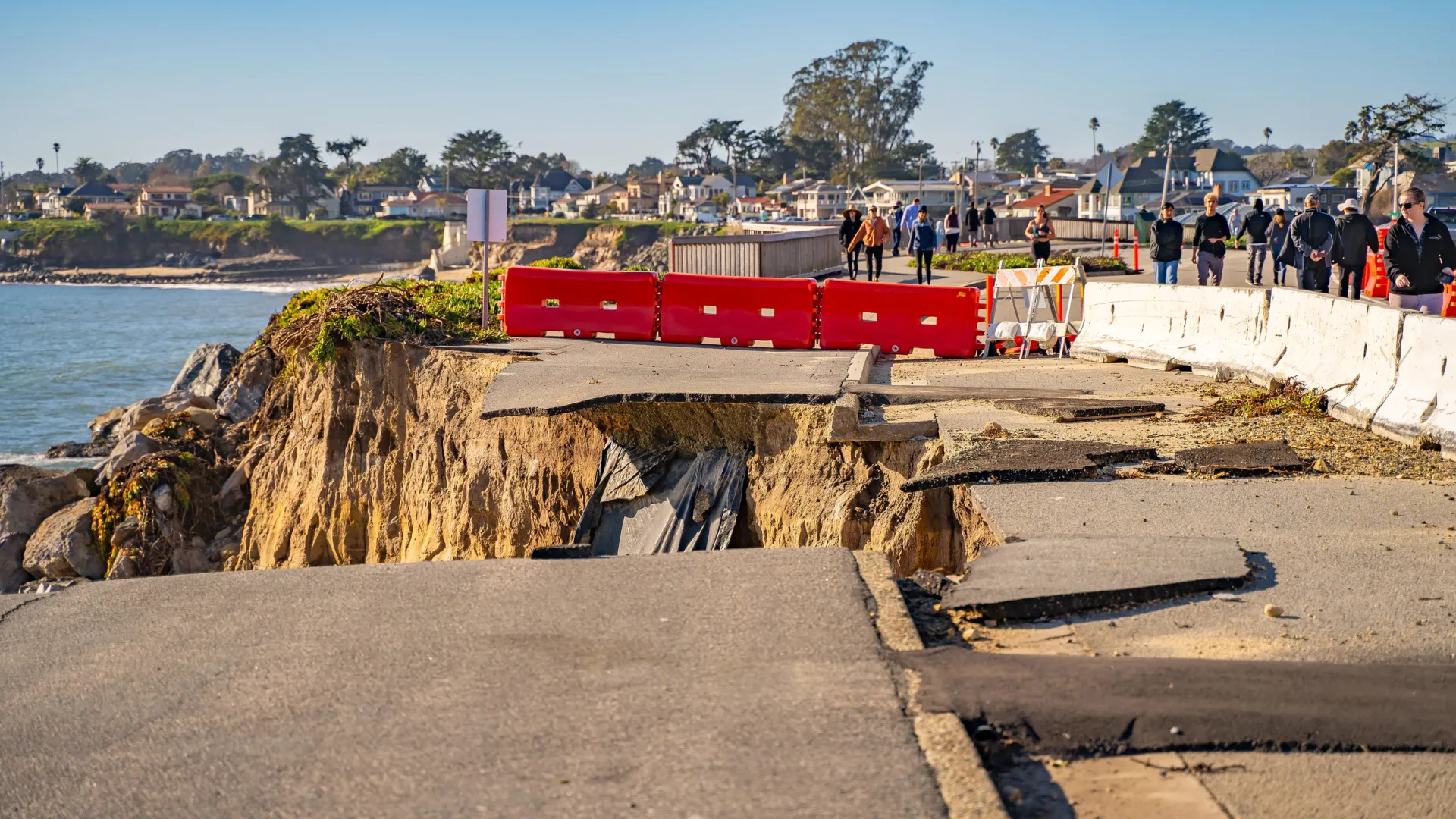
Cascadia and San Andreas: Linked Earthquake Risk Emerges from Ocean Data
Sediment layers preserved in the ocean floor now suggest that a major Cascadia rupture may have repeatedly triggered a second quake on the San Andreas Fault. The pattern, drawn from thousands of years of underwater landslide records, points to a troubling possibility: these two fault systems may not always act alone. The finding reframes how we understand seismic risk along the West Coast.