students
World Data Ocean keeps students in one place: 6 stories so far. The section currently leads with “A renewed research platform, charting a broader course for marine science”, “Tragedy on Lake Tanganyika: 41 Dead in Congolese Vessel Sinking”, and “Oceanography Pathways: UK Opportunity for Students (Ages 15-19)”. A renewed research platform charting a broader course for marine science deserves more than a dormant community. The sinking of a vessel on Lake Tanganyika, claiming 41 lives among roughly 100 passengers and cargo, is a stark reminder of the fragility inherent in regional transport. A Global Hub for Ocean Intelligence 4 World Data Ocean is a centralized digital platform where researchers, scientists, and ocean enthusiasts converge to… The list below is every students story on World Data Ocean, newest first.
A renewed research platform, charting a broader course for marine science
A renewed research platform charting a broader course for marine science deserves more than a dormant community. This captain-turned-moderator understands that rigorous conversations about monitoring technology, coastal policy, and Earth systems matter as much as the charismatic megafauna. The rules hold. The subject demands better. We see the same commitment in "Validated data and selective gear drive sustainable crab harvesting", empirical approaches that make fisheries work. Drop anchor here. The tide is turning.
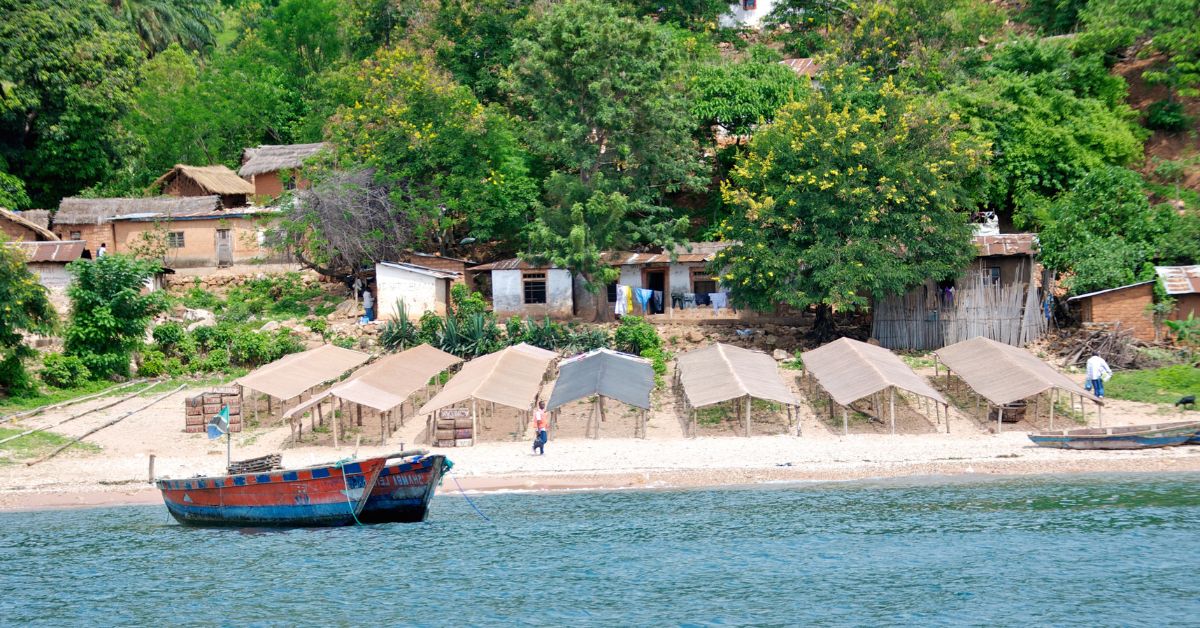
Tragedy on Lake Tanganyika: 41 Dead in Congolese Vessel Sinking
The sinking of a vessel on Lake Tanganyika, claiming 41 lives among roughly 100 passengers and cargo, is a stark reminder of the fragility inherent in regional transport. The loss is profound, and our focus must remain on the human cost and the need for validated safety measures. This incident underscores the urgency of integrated data ecosystems for maritime risk, much like the connectivity advances seen in our coverage of integrated subsea cables enhancing data transmission. Every loss demands we calibrate our commitment to prevention.
Oceanography Pathways: UK Opportunity for Students (Ages 15-19)
A direct pathway into oceanography exists for UK students aged 15 to 19, and it is worth your attention. The National Oceanography Centre has opened applications for a unique opportunity, shared here because too few school-age students follow the organisation directly on LinkedIn. We appreciate the gap and are helping to close it. If you know a curious young mind, share this. For deeper context on how data flows shape our understanding, our piece on integrated subsea cables offers valuable perspective.

Aquabots: Engaging Young Players with Real Ocean Science and Conservation.
Aquabots turns play into purpose. Built inside Roblox, the game sends players on drone-led coral restoration missions, pairs them with a battle system, and opens an aquarium where fish, corals, and fossils are explained through verified research. A trivia quiz rewards correct answers with in-game currency, keeping learning tied to action. The goal is direct: counter the platform's brainrot with something measurable. For those tracing how species persist, the fossil record offers context, including recent findings on feathered dinosaurs. Curiosity, here, is the real currency.
Beyond Dolphins: The Realities of a Career in Marine Biology
The public's image of marine biology often skips straight past the lab work, the data analysis, and the permit applications. It is a field defined by rigorous methodology, not casual swims. The misconception that professionals take time off to play with dolphins dismisses the scientific discipline at the core of this work. As this conversation notes, regional challenges, like those in Brazil, add further layers of complexity.
Simulating Ocean Change: A Hands-On Lesson in Dissolved Oxygen.
A middle school classroom tank can't replicate the ocean's full complexity, but it can reveal a core truth: nutrient pollution sets off a chain reaction that drains oxygen from the water. This hands-on lesson on dissolved oxygen gives students a tangible window into that process. The challenge of testing for DO without expensive probes is real, and we're curious what budget-friendly tricks educators have found.