single-use plastics
3 stories filed under single-use plastics on World Data Ocean. The newest of them: “Two billion dollars in waste infrastructure turns pollution into measurable global impact”, “Cross-Border Plastic Pollution: Charting Cooperation Through China and Pakistan”, and “China, Pakistan, and CPEC: A Comparative Look at Plastic Pollution Laws”. Two billion dollars in waste infrastructure transforms pollution into measurable global impact. China and Pakistan face the same Pacific currents, yet their legal responses to marine plastic pollution diverge sharply. A Global Hub for Ocean Intelligence 4 World Data Ocean is a centralized digital platform where researchers, scientists, and ocean enthusiasts converge to… The list below is every single-use plastics story on World Data Ocean, newest first.
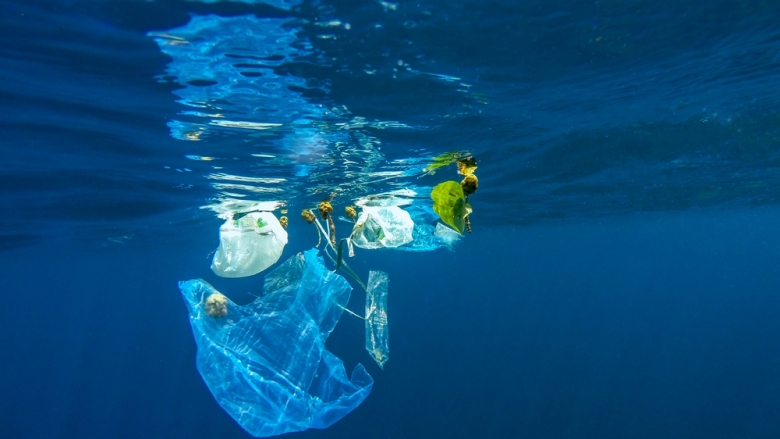
Two billion dollars in waste infrastructure turns pollution into measurable global impact
Two billion dollars in waste infrastructure transforms pollution into measurable global impact. The World Bank has financed projects worth over US$2 billion across all regions, creating jobs, supporting small enterprises, and improving treatment facilities. This is validated, real-world investment, not aspiration. The scale is deliberate, the outcomes empirical. For deeper context on maritime operations, see our coverage of India's Rafale Marine trials aboard INS Vikrant. Understanding drives protection; investment drives change.

Cross-Border Plastic Pollution: Charting Cooperation Through China and Pakistan
China and Pakistan face the same Pacific currents, yet their legal responses to marine plastic pollution diverge sharply. This comparison of regulatory frameworks reveals that China's 2024 Marine Environmental Protection Law and new Ecological Code create a more integrated system, while Pakistan's devolved structure remains fragmented. Still, the 2023 Single-Use Plastics Regulations mark a step forward, not a failure. The proposed CPEC cooperation mechanism offers a practical path forward, one that builds on shared infrastructure rather than abstract ideals.
China, Pakistan, and CPEC: A Comparative Look at Plastic Pollution Laws
China and Pakistan both face the escalating threat of marine plastic pollution, yet their legal landscapes diverge sharply. China's revised Marine Environmental Protection Law, effective January 2024, offers a centralized, full-chain framework with strong enforcement tools. Pakistan's PEPA 1997, while foundational, struggles with fragmented provincial authority and uneven implementation. The proposed CPEC cooperation mechanism is a pragmatic step, though it must reconcile these constitutional asymmetries. For deeper context on regional maritime pressures, our coverage of Gulf of Oman STS transfers highlights similar transboundary challenges.