shipbreaking
World Data Ocean keeps shipbreaking in one place: 3 stories so far. The section currently leads with “EU Ship Scrapping Trends: Outsourcing to South Asia Raises Concerns”, “Fatal Gas Leak Highlights Risks in Bangladesh's Shipbreaking Industry”, and “EU Ship Recycling Decision Risks Undermining Regulation Standards”. The vast majority of EU-owned and EU-flagged ships are sent to be scrapped in India, Pakistan, and Bangladesh, where working conditions are often poor. A fatal gas leak has forced the Department of Environment to keep a shipbreaking yard closed until its environmental clearance is renewed, a decision that underscores the human cost embedded in Bangladesh's recycling… A Global Hub for Ocean Intelligence 4 World Data Ocean is a centralized digital platform where researchers, scientists, and ocean enthusiasts converge to… The list below is every shipbreaking story on World Data Ocean, newest first.
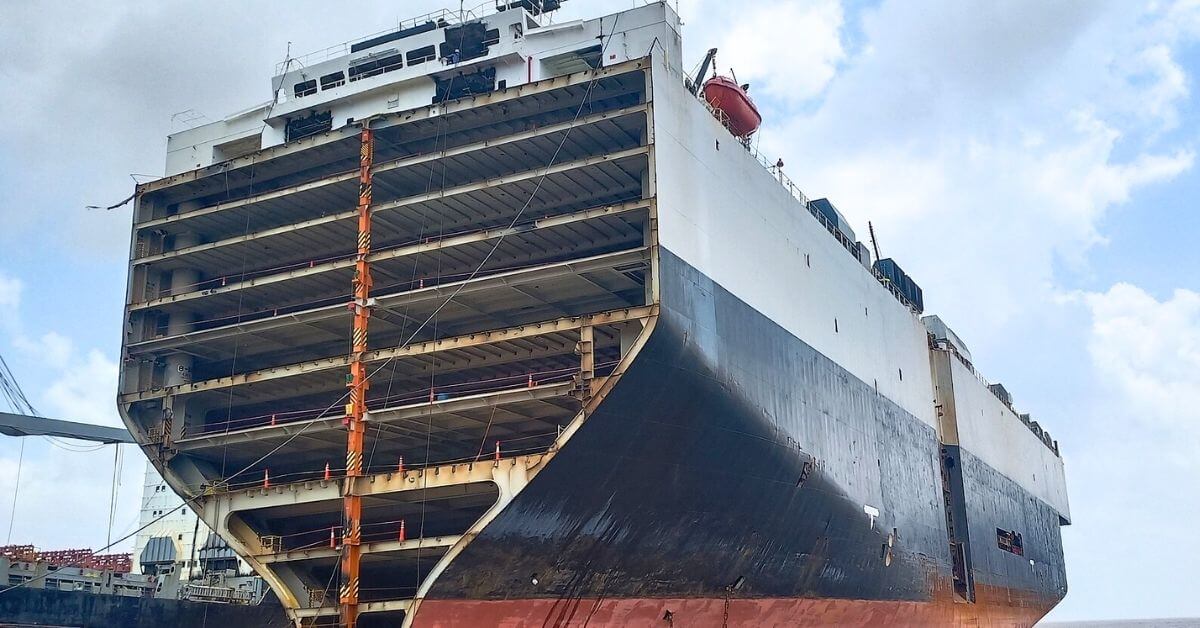
EU Ship Scrapping Trends: Outsourcing to South Asia Raises Concerns
The vast majority of EU-owned and EU-flagged ships are sent to be scrapped in India, Pakistan, and Bangladesh, where working conditions are often poor. This outsourcing raises serious concerns about accountability. We cannot claim progress in ocean stewardship while our vessels meet their end in ways that undermine that very principle. Understanding drives protection, and this trend demands scrutiny. For broader context on how maritime infrastructure is evolving, our related coverage on the integrated subsea cables enhancing Indian Ocean connectivity offers a useful counterpoint.

Fatal Gas Leak Highlights Risks in Bangladesh's Shipbreaking Industry
A fatal gas leak has forced the Department of Environment to keep a shipbreaking yard closed until its environmental clearance is renewed, a decision that underscores the human cost embedded in Bangladesh's recycling economy. This is not an abstract regulatory wrinkle; it is a concrete failure of oversight with lethal consequences. The yard's closure is warranted, yet it raises a pressing question: why was it operating at all?

EU Ship Recycling Decision Risks Undermining Regulation Standards
Approving these two beaching yards would signal that the EU Ship Recycling Regulation is open to interpretation, and not the rigorous kind. The NGO's concern is valid: such a decision risks undermining the very standards the regulation was designed to enforce. We cannot claim to champion ocean stewardship while endorsing practices that fall short of measurable, peer-reviewed safety and environmental benchmarks. This is a moment for calibrated, integrated oversight, not a step backward.