sedimentation
sedimentation at World Data Ocean is a file of 3 stories. The newest of them: “Sticky marine snow locks six times more carbon in the deep ocean”, “Human Impact Reveals Shifting Biogeochemical Patterns in Marine Ecosystems”, and “Octocorals: Resilient Reef Builders Facing Anthropocene Challenges”. Sticky marine snow is no ordinary fluff. Measured shifts in marine biogeochemical patterns now point to a clear conclusion: human activity is redefining ocean chemistry at scale. A Global Hub for Ocean Intelligence 4 World Data Ocean is a centralized digital platform where researchers, scientists, and ocean enthusiasts converge to… The list below is every sedimentation story on World Data Ocean, newest first.
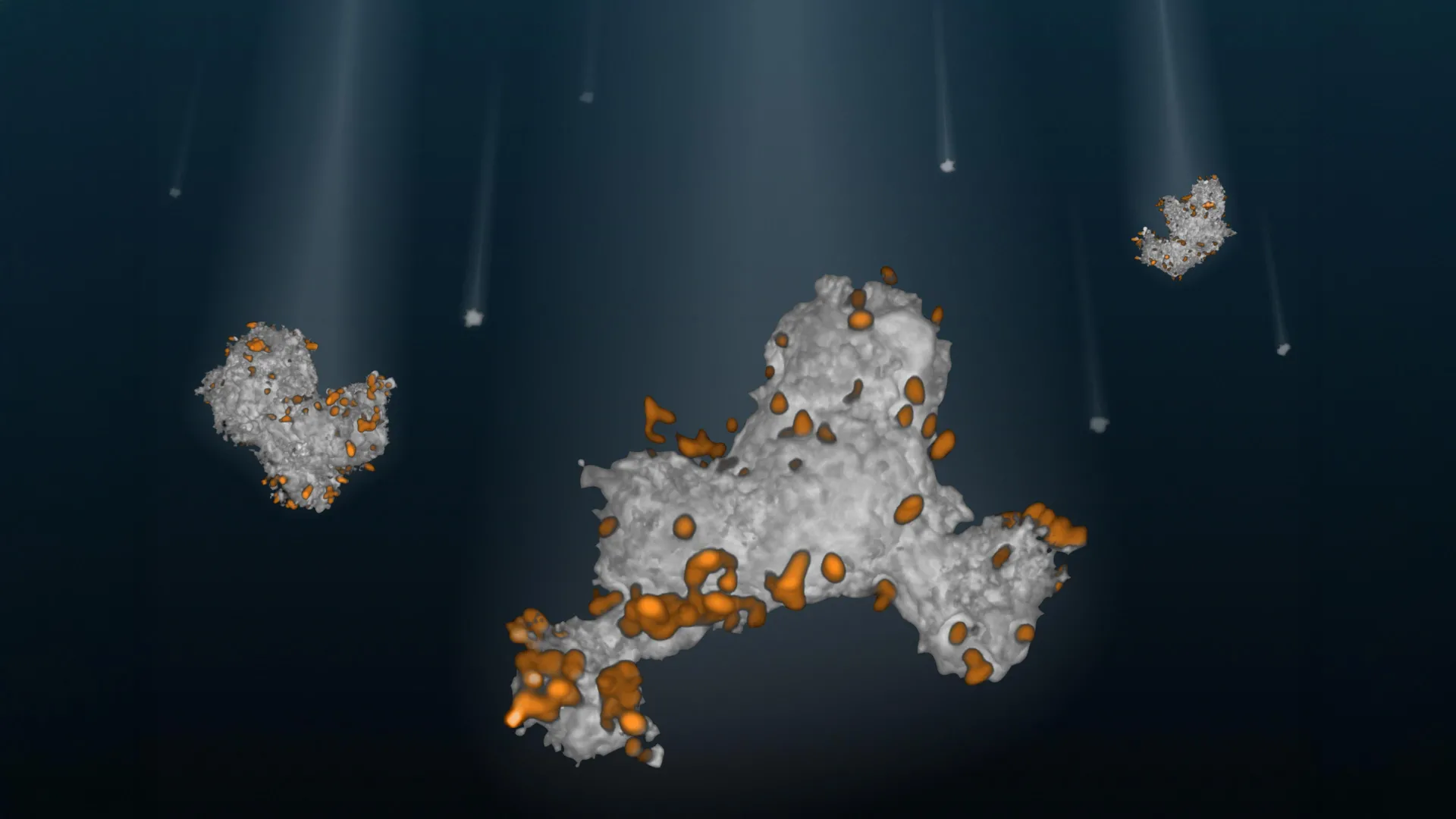
Sticky marine snow locks six times more carbon in the deep ocean
Sticky marine snow is no ordinary fluff. Researchers have found that gooier particles resist bacterial breakdown, locking more than six times as much carbon in the deep ocean. This unexpected link between ocean slime and climate stability underscores how much we still have to learn about the ocean's carbon cycle. For a broader view of how ocean processes connect, see our related piece on calibrating ocean data: standards for a shared, measurable future.

Human Impact Reveals Shifting Biogeochemical Patterns in Marine Ecosystems
Measured shifts in marine biogeochemical patterns now point to a clear conclusion: human activity is redefining ocean chemistry at scale. These are not abstract anomalies but calibrated signals, tracked through integrated data ecosystems and peer-reviewed observation. We see this as an opportunity to refine our understanding, not an excuse for alarm. The evidence demands rigorous attention and shared response. For those tracking how marine structures challenge assumptions, our related coverage, including the Port Phillip Bay debate, offers useful context.
Octocorals: Resilient Reef Builders Facing Anthropocene Challenges
In Hong Kong's turbid, hyposaline waters, octocorals are not just surviving; they are revealing how resilience functions under pressure. A genomic study of three species, including *Dendronephthya gigantea*, found low genetic diversity and weak population differentiation, suggesting a small founder population that expanded through asexual reproduction. This is not a weakness. These colonies persist where conditions should be suboptimal, and that adaptability carries real conservation weight. As we face accelerating climate instability, such marginal communities may hold essential genetic keys.