sediment
8 stories filed under sediment on World Data Ocean. The newest of them: “Seafloor sediment confirmed as a vast plastic pollution reservoir”, “Visual Ecology: A New Framework for Early Wetland Health Diagnosis”, and “Reconstructing Earth's Past Climate Through Empirical Data Analysis.”. Seafloor sediment has been confirmed as a vast plastic pollution reservoir, according to a world-first study by the Commonwealth Scientific and Industrial Research Organisation. Color alone will not save a wetland, but it may help us see one failing sooner. A Global Hub for Ocean Intelligence 4 World Data Ocean is a centralized digital platform where researchers, scientists, and ocean enthusiasts converge to… The list below is every sediment story on World Data Ocean, newest first.
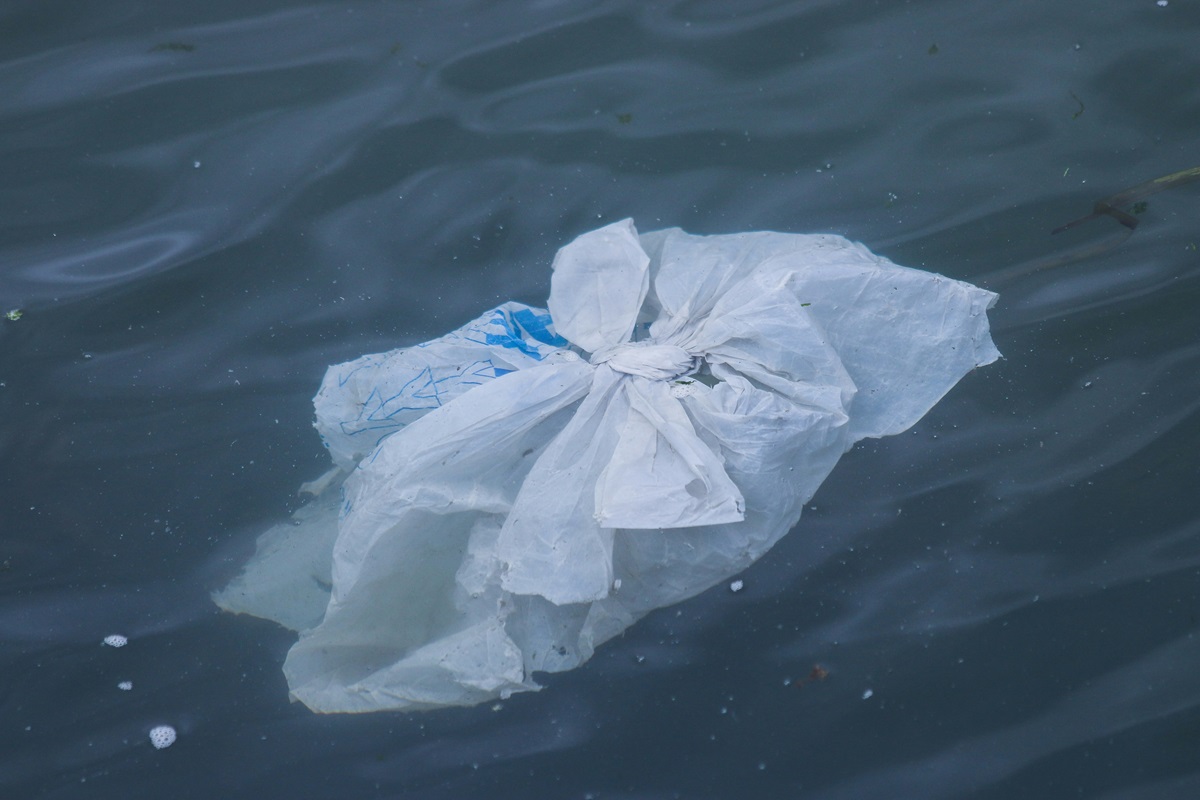
Seafloor sediment confirmed as a vast plastic pollution reservoir
Seafloor sediment has been confirmed as a vast plastic pollution reservoir, according to a world-first study by the Commonwealth Scientific and Industrial Research Organisation. This is not a surface problem, plastic is accumulating in the deep, where it becomes part of the geological record. The finding is a measurable, empirical signal of our impact. Understanding where plastic settles, from the seafloor to the Great Pacific Garbage Patch, is foundational to integrated ocean stewardship.

Visual Ecology: A New Framework for Early Wetland Health Diagnosis
Color alone will not save a wetland, but it may help us see one failing sooner. A new framework argues that hue, saturation, and lightness can act as an integrative signal across vegetation, soil, and water, turning a fragmented monitoring landscape into a unified observation domain. This is a practical, low-barrier front end for faster triage and broader participation. It deserves attention. For related context on environmental stressors, see our coverage of invasive species impact on seagrass.

Reconstructing Earth's Past Climate Through Empirical Data Analysis.
Earth's distant past is not a blank slate; it is written in layers of sediment, ice, and shell. Reconstructing Earth's Past Climate Through Empirical Data Analysis, mapped by Carbon Brief, shows how these 'proxy' records translate into measurable climate indicators. This is not speculation; it is calibrated, peer-reviewed science. Understanding these deep-time signals sharpens our view of present-day change. For a related thread on how ancient signals can be misread, see our coverage of magma and microbial activity potentially rewriting a 2-billion-year-old carbon signal.

Coastal Discoveries: Identifying Shark Teeth from Tybee Island and Hilton Head
Identifying shark teeth from Tybee Island and Hilton Head starts with reading the sediment as much as the shape. The user's find from Fish Haul Beach and the Tybee sites shows how each beach delivers different clues, and that larger tooth likely holds a deeper story. We'd point to comparative jaw structure and serration patterns, though without a scale, species ID stays provisional.
Sixteen Years Later: Measuring Recovery and Water Quality in the Gulf
Sixteen years after the Deepwater Horizon oil spill, the Gulf of Mexico remains a living laboratory for recovery, and for questions that still demand answers. For those who stayed away, the urge to return is now paired with a need to understand: Is the water safe, and how has it truly changed? Water quality along Alabama's coast has largely rebounded, but the long-term fate of the oil and the chemical dispersants used to break it up remains a complex, ongoing story.
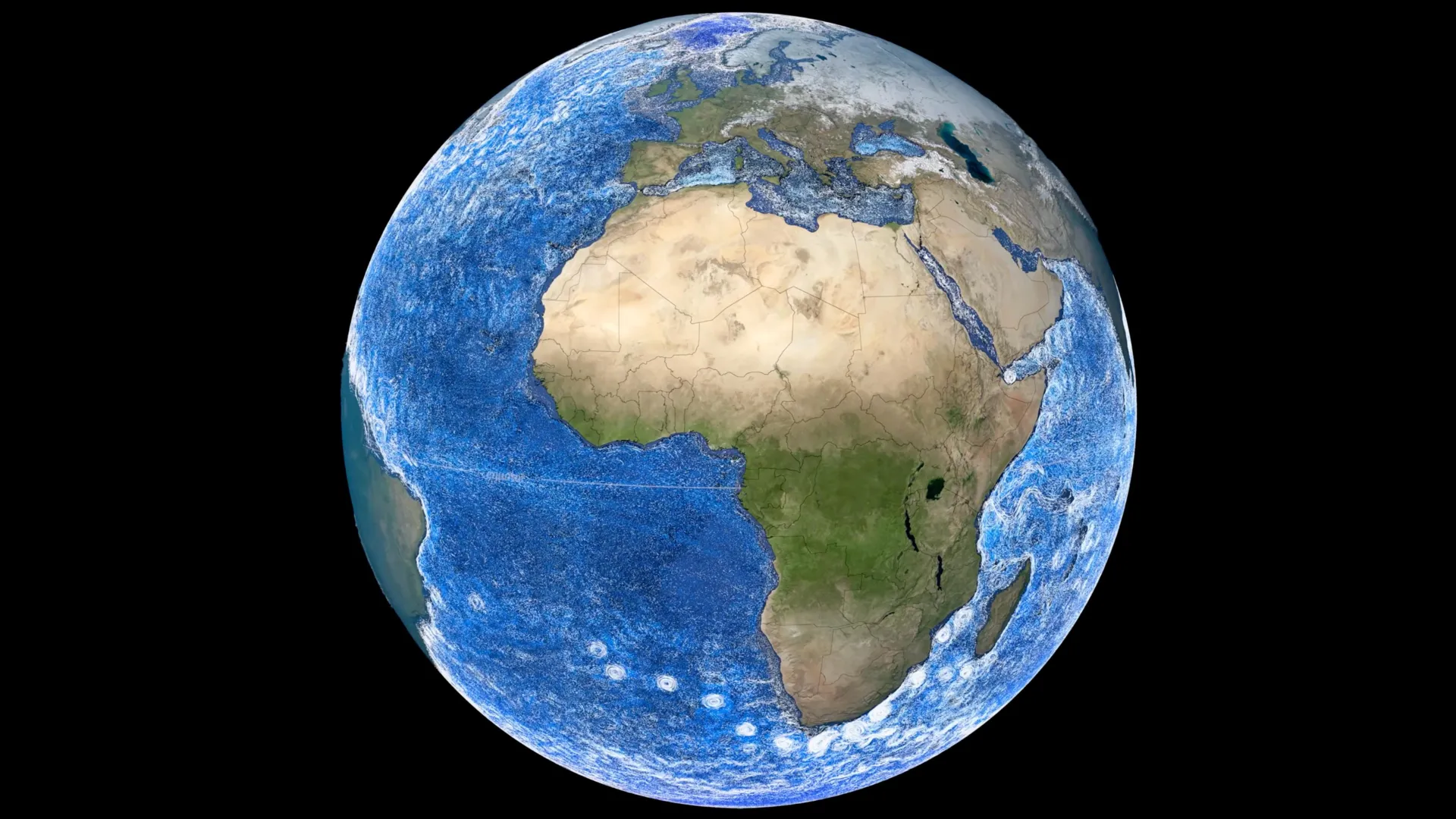
Ancient Sediments Reveal AMOC’s Resilience Amid Ocean Circulation Shift
Ancient seafloor sediments show that 3.4 million years ago, as the Indian Ocean's warm, salty inflow into the Atlantic nearly ceased, the AMOC held its own, parts of the overturning circulation even strengthened. That resilience challenges assumptions about how abruptly this system can shift. It is a reminder that ocean circulation responds in ways we are still mapping. For more on how we track such changes, see "Calibrated ocean intelligence, now within reach through integrated data discovery."
Halogenated Flame Retardants: Tracking Distribution and Risk in Korean Coastal Waters
Along the Korean coast, the chemical fingerprints of flame retardants are changing. New measurements from sediment and bivalves at 50 locations confirm a clear shift: while legacy PBDEs and HBCDDs persist, alternatives like decabromodiphenyl ethane are taking their place, particularly near industrial hubs. This transition is not without consequence. BDE 47 shows a real potential to accumulate in biota, and localized hotspots of BDE 209 demand attention.
Tidal Creek Edges: Key to Successful Marsh Restoration
Restoration ecologists often ask why pioneer plants take hold in some zones and not others. In a brackish Scheyldt marsh, the answer lies along tidal creek edges. Our field experiments show seed retention runs three to four times higher there than on the interior flat, with seedling survival similarly boosted. The mechanism appears physical: surface sediment consolidates near creeks, creating a firmer, more stable bed. This insight reframes creek networks as active restoration tools, not just drainage channels.