seaweed
seaweed on World Data Ocean: a running collection of 2 stories we have gathered and hand-picked because they are worth your time. Every post here touches on seaweed in some way — the news, the analysis, the deep dives, and the occasional surprise find. A Global Hub for Ocean Intelligence 4 World Data Ocean is a centralized digital platform where researchers, scientists, and ocean enthusiasts converge to explore, analyze, and… New stories are added to this page as we find them, so check back if you want to keep up with what is happening around seaweed, or subscribe to the RSS feed to get them as soon as they are published. Browse the collection below, or head back to the homepage to see everything World Data Ocean is covering right now.
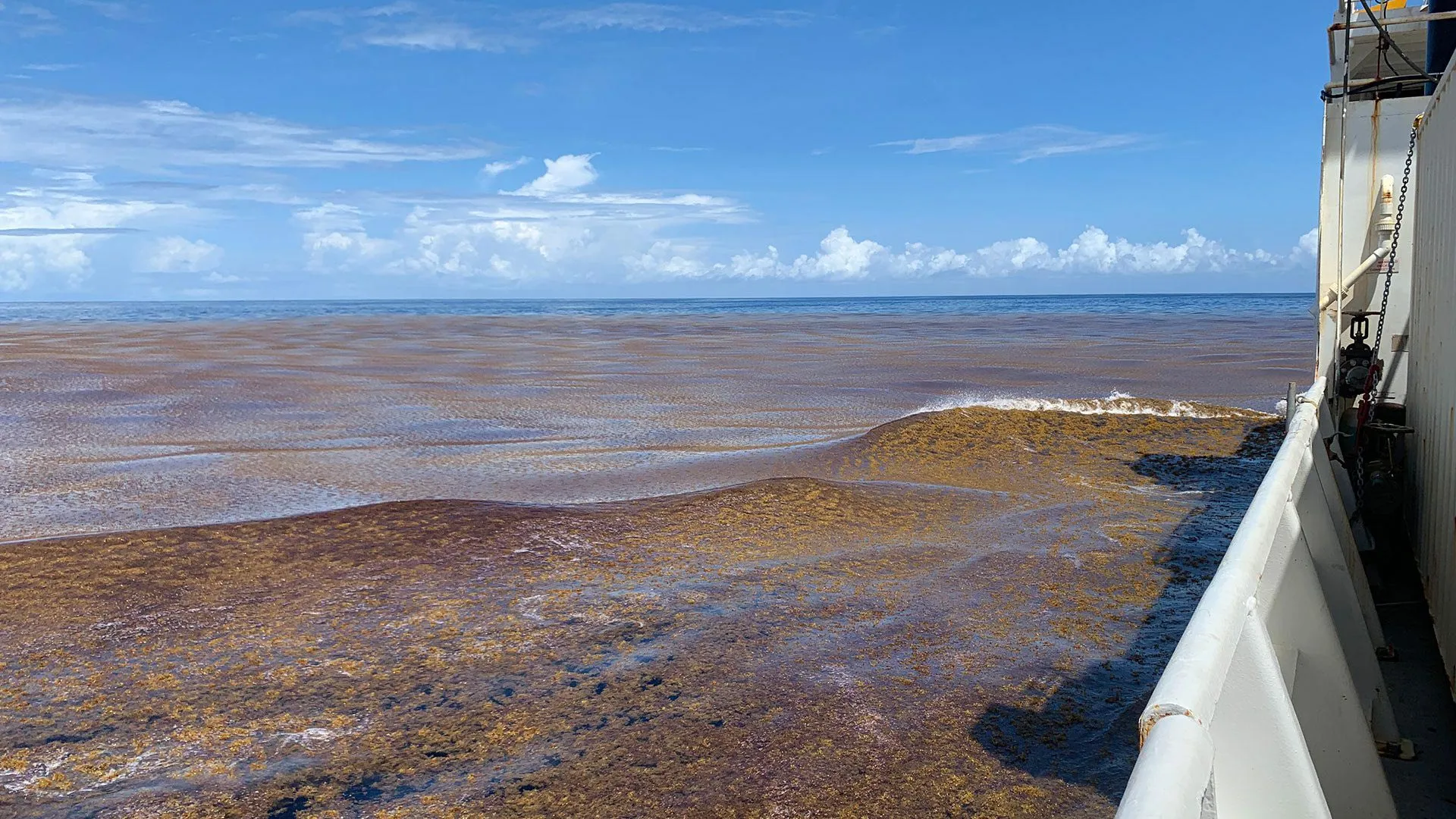
AI reveals a massive algae boom across the world’s oceans
Analysis of 1.2 million satellite images, powered by artificial intelligence, reveals a significant and globally expanding phenomenon: massive algae blooms across the world’s oceans. This longitudinal study demonstrates a rapid increase in floating seaweed mats, potentially reshaping marine habitats and impacting coastal communities. Consequences include ecological damage, foul-smelling decay, and substantial economic losses. Further exploration of AI’s role in maritime applications can be found in our recent article, "U.S. Advances Shipyard Modernisation Project With AI And Robotics."

A sustainable seaweed win-win: dietary fortification with Irish Wakame (Alaria esculenta) enhances Atlantic salmon (Salmo salar) muscle growth and modulates gene expression
Seaweed integration into aquaculture diets offers a compelling pathway towards sustainable food production. Recent research validates a significant benefit: dietary inclusion of *Alaria esculenta* (Irish Wakame) demonstrably enhances muscle growth and modulates gene expression in Atlantic salmon (*Salmo salar*). Utilizing contrast-enhanced computed tomography and transcriptomic analysis, scientists observed improved body condition and increased filet muscle area. These findings indicate that *A. esculenta* represents a valuable, sustainable functional food, positively impacting both salmon health and aquaculture practices—a clear win-win scenario.