seafarer welfare
World Data Ocean keeps seafarer welfare in one place: 6 stories so far. The section currently leads with “Falsified crew records ground bulk carrier in 90-day ban”, “New Maritime Alliance Forms in Chennai to Strengthen Seafarer Rights”, and “Enhanced Maritime Safety: India's New System Monitors High-Risk Regions”. Falsified crew work-hour records have grounded a bulk carrier in Australia, earning it a 90-day ban. Collective action for seafarers' rights has found a new anchor in Chennai. A Global Hub for Ocean Intelligence 4 World Data Ocean is a centralized digital platform where researchers, scientists, and ocean enthusiasts converge to… The list below is every seafarer welfare story on World Data Ocean, newest first.
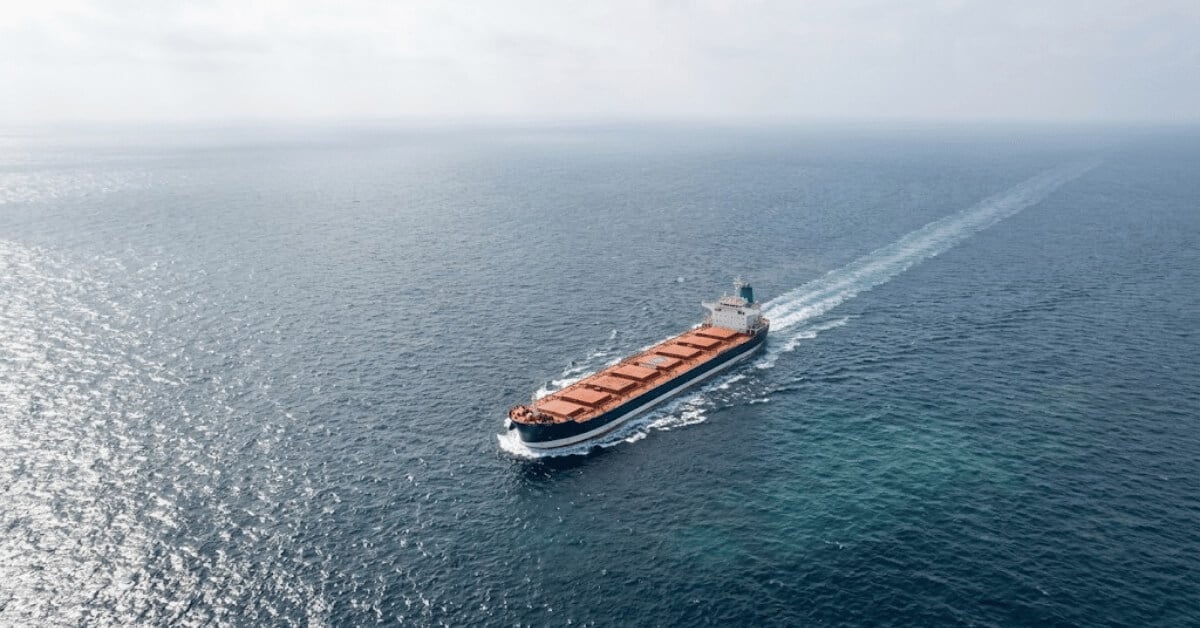
Falsified crew records ground bulk carrier in 90-day ban
Falsified crew work-hour records have grounded a bulk carrier in Australia, earning it a 90-day ban. This is not a paperwork error. It is a deliberate breach that undermines the very framework of maritime safety and crew welfare. Fatigue kills. Doctoring logs is a direct threat to life at sea. For deeper coverage on seafarer rights, see our related article, "New Maritime Alliance Forms in Chennai to Strengthen Seafarer Rights." Accountability must be empirical and enforceable.
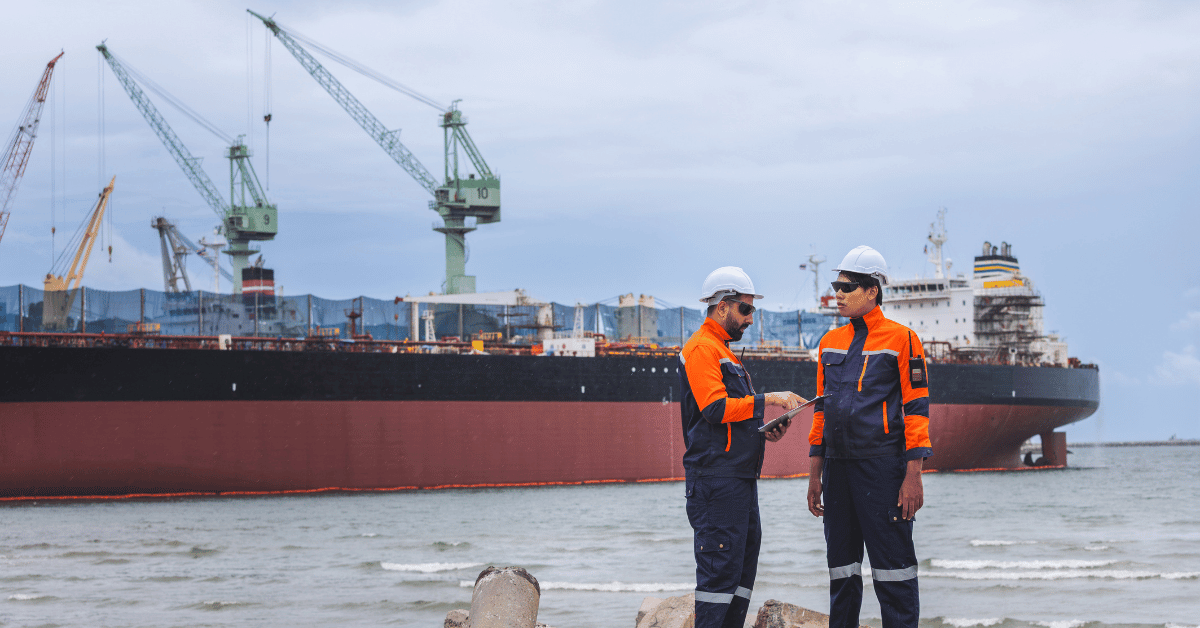
New Maritime Alliance Forms in Chennai to Strengthen Seafarer Rights
Collective action for seafarers' rights has found a new anchor in Chennai. Indian maritime unions and welfare groups have formed the ITEF to strengthen safety, welfare, and fair treatment for those who work at sea. This measured, collaborative step builds the kind of integrated support system the industry urgently needs. For context on the pressures these seafarers face, our coverage of the Qatari LNG carrier targeted near Hormuz illustrates the volatile conditions they navigate daily.
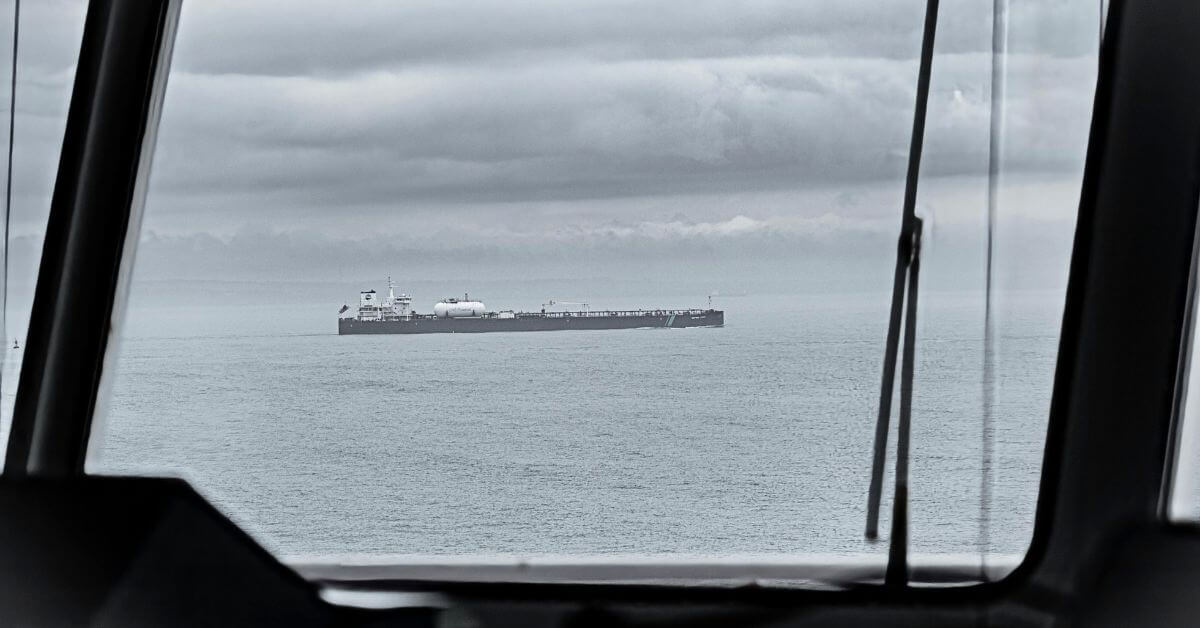
Enhanced Maritime Safety: India's New System Monitors High-Risk Regions
India's Directorate has issued a direct mandate: every vessel carrying Indian crew in designated high-risk regions must be registered in the new monitoring system without delay. That is not bureaucratic noise; it is a calibrated safety net. The move follows intense pressure on maritime routes, from Gulf of Oman STS transfers maxing out to pirate interventions off Somalia. This system is about prevention, not reaction. For crews operating where risk is highest, this is validation that their safety is measurable and prioritized.
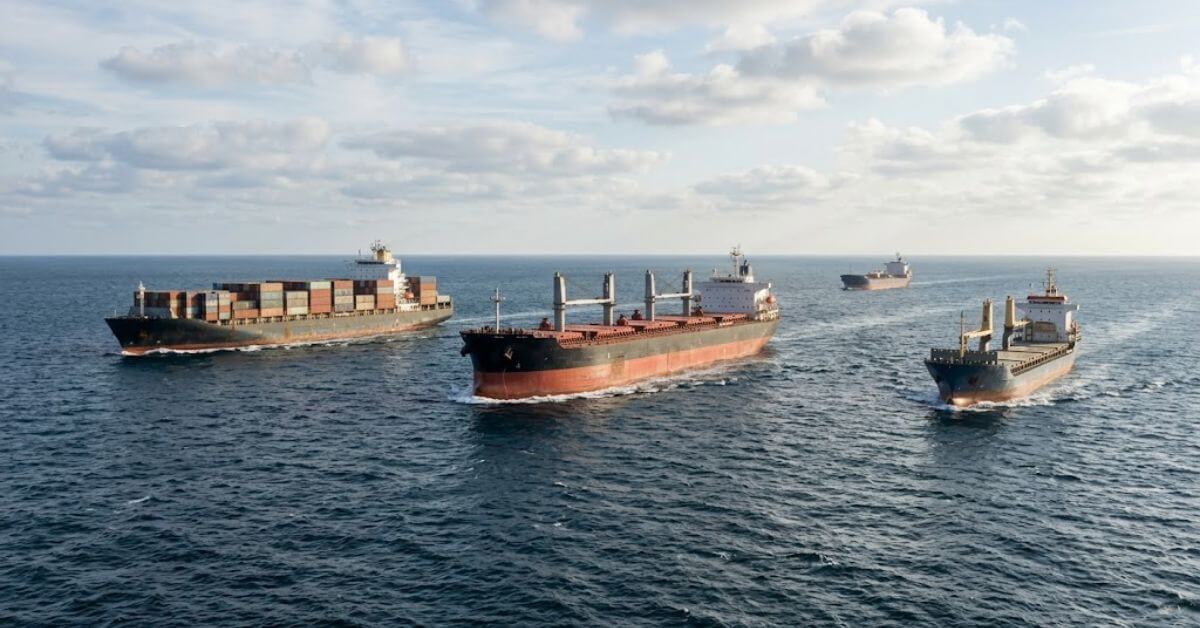
Expanding India's Fleet: A Push for Maritime Independence and Cost Parity
Indian ship owners face a 16-20% cost penalty flying the national flag, a gap that undermines maritime self-reliance before it can scale. Closing that differential is not merely fiscal; it is strategic. Lower operational costs would shift tonnage back to Indian registry, strengthening supply-chain security and bargaining power. The push toward cost parity aligns with broader regional momentum, including Russia's calibrated export levies for its icebreaker fleet. This is a practical, measurable step toward independence, and one worth watching closely.

Fred. Olsen Cruise Lines Champions Seafarer Welfare with Pledge Commitment
Fred. Olsen Cruise Lines has become the first cruise line to sign the Seafarer Pledge, a commitment that puts crew welfare and career progression at the forefront of its operations. It is a measured step, and one that acknowledges the individuals who keep the industry moving deserve more than acknowledgment. This aligns with broader maritime momentum, such as Paradip Port's recent designation as a Mega Port, signaling a sector focused on long-term structural strength. Actions like these translate principle into practice.

Seafarers Await Rescue: UN Urges Action in Critical Strait.
The Strait of Hormuz is not a headline; it is a holding pattern for thousands of lives. The International Maritime Organization reports that roughly 6,000 seafarers remain stranded aboard hundreds of ships, waiting for a resolution that cannot come soon enough. This is not an abstract geopolitical impasse; it is a human logjam with real consequences. The urgency is measurable, and the call for action is clear.