Sea Legend
Sea Legend at World Data Ocean is a file of 3 stories. The newest of them: “Arctic Passage Time Cut: Container Ship Charts New Route.”, “Arctic Route Expands: China's "Ice Silk Road" Connects East and Europe.”, and “Arctic Shipping Route Emerges as Climate-Driven Alternative.”. A Chinese container vessel has completed the Northern Sea Route in just 25 days, validating the Arctic's potential as a viable commercial passage. On Aug. A Global Hub for Ocean Intelligence 4 World Data Ocean is a centralized digital platform where researchers, scientists, and ocean enthusiasts converge to… The list below is every Sea Legend story on World Data Ocean, newest first.
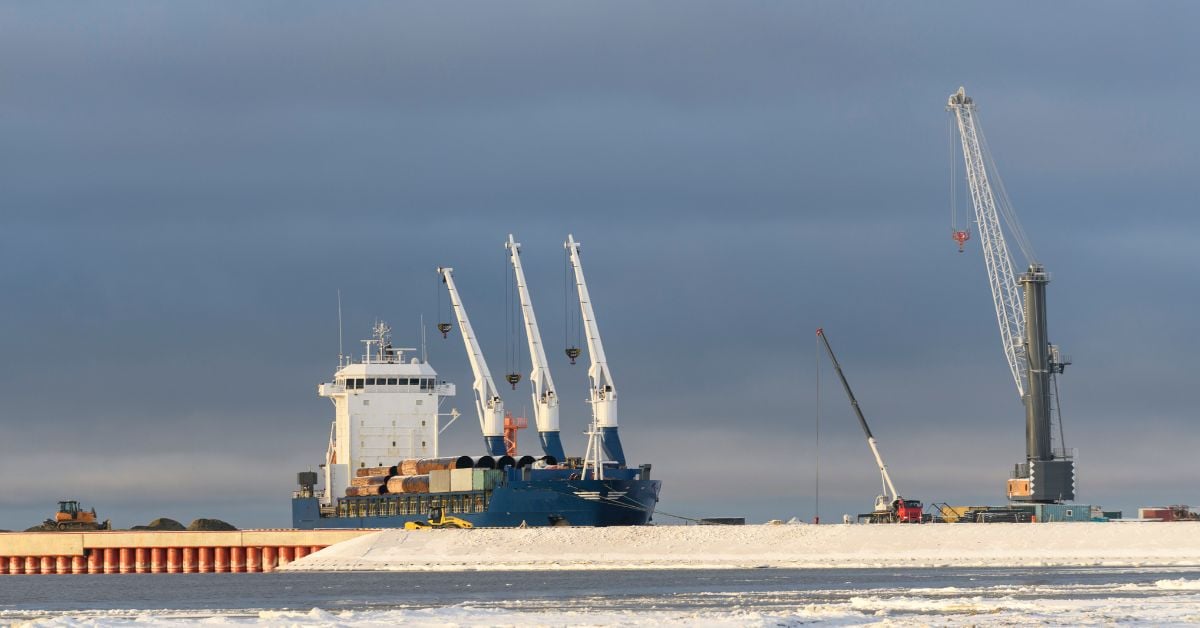
Arctic Passage Time Cut: Container Ship Charts New Route.
A Chinese container vessel has completed the Northern Sea Route in just 25 days, validating the Arctic's potential as a viable commercial passage. This is not an experiment; it is a measurable step in global shipping's realignment. The voyage demonstrates how climate indicators and integrated data ecosystems are reshaping trade logistics. For deeper context on shifting maritime corridors, see our coverage of "Russia Calibrates Export Revenue for Northern Sea Route Icebreaker Fleet." Understanding these routes drives smarter stewardship of our ocean intelligence.

Arctic Route Expands: China's "Ice Silk Road" Connects East and Europe.
On Aug. 15, Sea Legend launched its weekly China-Europe Arctic Express, a scheduled service that turns the fabled "Ice Silk Road" into a working corridor. The route matters because it shortens the physical and logistical distance between East Asia and Europe, offering a practical alternative to congested southern passages. This is not spectacle; it is measured progress in ocean logistics. For context on how Arctic shipping economics are evolving, our coverage of Russia's icebreaker export revenue plans provides useful calibration.

Arctic Shipping Route Emerges as Climate-Driven Alternative.
A scheduled Arctic route now links Ningbo to Felixstowe, with Sea Legend running the weekly service. This is not a distant proposal; it is a working commercial response to receding ice and shifting trade realities. The passage shortens transit times, yet it also demands calibrated investment in icebreaker support and polar infrastructure. Climate change is redrawing maritime maps, and carriers are adapting. For context on how nations are financing these northern lanes, see our coverage of Russia's icebreaker export revenue plans.