runoff
runoff at World Data Ocean is a file of 3 stories. The newest of them: “Juvenile reef fish in St. Croix reveal the hidden value of small coastal habitats”, “King Tides Test South Florida's Coastal Water Quality and Marine Habitats”, and “Billions of pounds of waste enter our ocean each year: measured and mapped”. Along a rocky St. King tides this week will push South Florida's coastal waters into streets, storm drains, and mangrove roots, and what flows back matters. A Global Hub for Ocean Intelligence 4 World Data Ocean is a centralized digital platform where researchers, scientists, and ocean enthusiasts converge to… The list below is every runoff story on World Data Ocean, newest first.
Juvenile reef fish in St. Croix reveal the hidden value of small coastal habitats
Along a rocky St. Croix shoreline, every single reef fish we observed was a juvenile. These shallow coastal pools, crevices, and rock shelters are easy to overlook, but they provide exactly the complex spaces young fish need. Larger coral reefs rightly command conservation attention, yet this observation gives us a compelling reason to investigate these smaller habitats more closely. Understanding which environments support juvenile fish is essential work. For deeper context, see our coverage of "Validated plastic debris now measurable in the deepest ocean trench."
King Tides Test South Florida's Coastal Water Quality and Marine Habitats
King tides this week will push South Florida's coastal waters into streets, storm drains, and mangrove roots, and what flows back matters. The October 27 peak along the east coast is a predicted high, not a measured impact. But it raises a testable question: can tidal flooding measurably alter water quality or habitat access? Pairing tide levels with empirical water-quality sampling would distinguish a plausible pathway from a documented effect. Understanding drives protection.
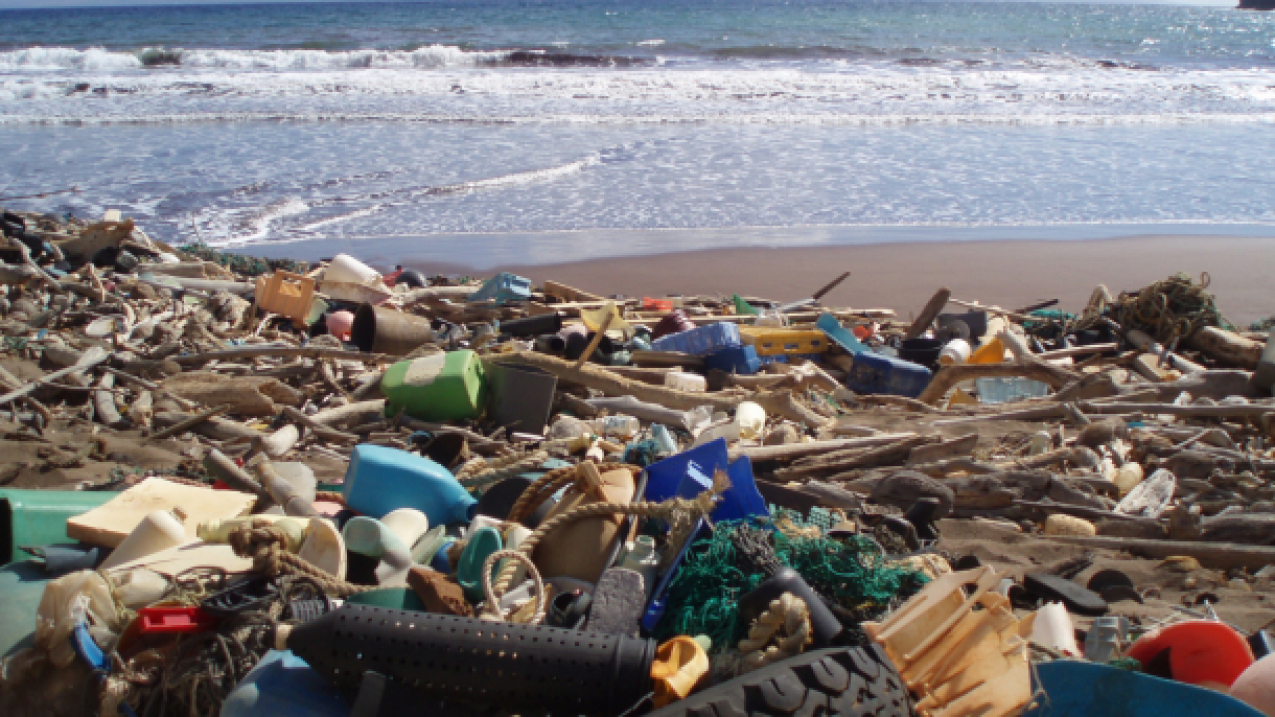
Billions of pounds of waste enter our ocean each year: measured and mapped
Billions of pounds of waste enter our ocean each year, now measured and mapped with empirical precision. This isn't abstraction; it's a validated, real-time crisis we can finally track from source to sink. Understanding drives protection, and integrated data ecosystems turn this overwhelming problem into calibrated, actionable intelligence. For deeper insight into how digital tools reshape ocean stewardship, see our coverage of how digital twins are testing new legal frameworks for data sharing.