Rosatom
World Data Ocean keeps Rosatom in one place: 4 stories so far. The section currently leads with “Measured transit through Northern Sea Route projected to exceed 7 million tonnes”, “India Eyes Northern Sea Route for Expedited Trade with Russia”, and “Chinese Shipping Expands Arctic Route Access via Northern Sea Route.”. Cargo transit through Russia's Northern Sea Route is projected to exceed 7 million tonnes in 2026, more than doubling last year's volume. India is charting a new course to the Arctic. A Global Hub for Ocean Intelligence 4 World Data Ocean is a centralized digital platform where researchers, scientists, and ocean enthusiasts converge to… The list below is every Rosatom story on World Data Ocean, newest first.
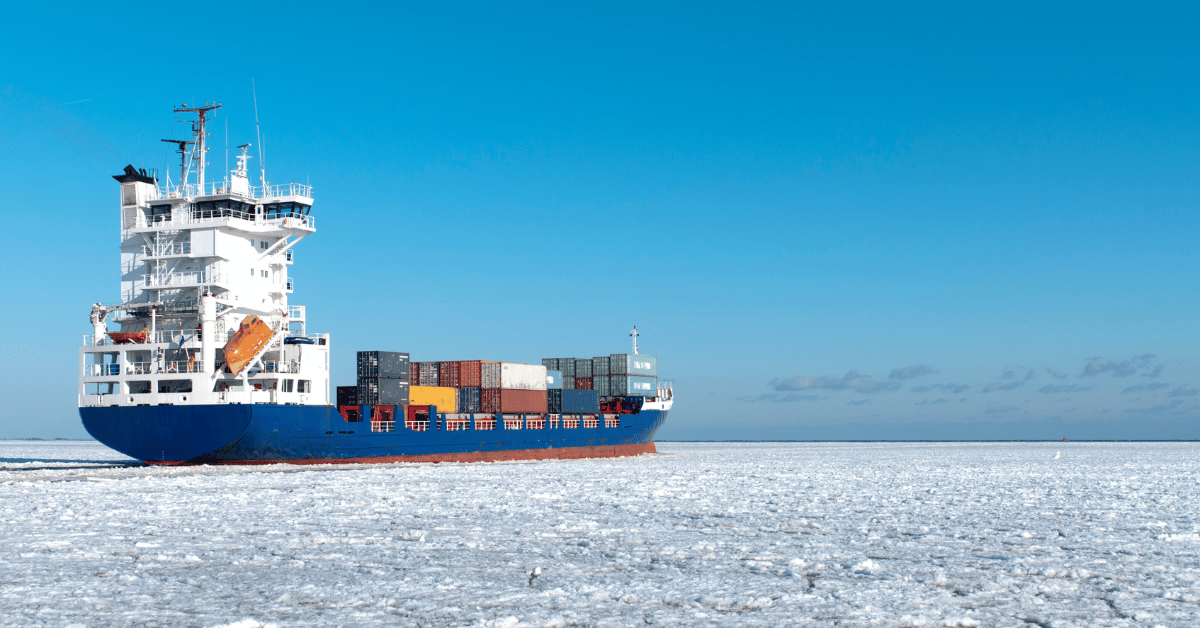
Measured transit through Northern Sea Route projected to exceed 7 million tonnes
Cargo transit through Russia's Northern Sea Route is projected to exceed 7 million tonnes in 2026, more than doubling last year's volume. This measurable growth signals a validated shift in Arctic logistics, demanding integrated ocean intelligence to monitor climate indicators and ensure safe passage. Understanding drives protection. For deeper context on shifting maritime dynamics, see our coverage of the Liaoning carrier group's recent Pacific deployment.

India Eyes Northern Sea Route for Expedited Trade with Russia
India is charting a new course to the Arctic. With plans to send its first cargo ship along Russia's Northern Sea Route in 2027, New Delhi is looking to bypass the Suez Canal and cut transit time as bilateral trade with Moscow expands under sanctions. It is a pragmatic, data-driven move, one that reflects how geopolitical pressures are redrawing maritime logistics. For readers tracking parallel disruptions, our coverage of strikes targeting ports and vessels in confirmed military action offers broader context on the region's volatility.

Chinese Shipping Expands Arctic Route Access via Northern Sea Route.
Seven Chinese vessels have received permits to transit the Northern Sea Route to Europe, a concrete step in Beijing's Arctic engagement. Rosatom's approval signals Russia's willingness to integrate Chinese shipping into its ice-covered corridor. The move is practical, not ceremonial: it extends commercial reach while testing the route's reliability. For readers tracking the region's momentum, our related piece on Russia's icebreaker export revenue calibrations offers useful context on the infrastructure behind these transits.

Validated Safety Review Confirms Floating Nuclear Plant’s Polar Utility
A validated safety review now confirms what polar infrastructure specialists have long argued: the world's only floating nuclear plant can serve as a reliable utility in the Arctic. Supplying both electricity and heating to isolated communities, the vessel offers a measurable, peer-reviewed path toward energy resilience where grids do not exist. This is not speculative ambition; it is calibrated, empirical evidence. For broader context on Arctic logistics, readers may also consult our coverage of Russia's Northern Sea Route icebreaker financing.