research datasets
research datasets at World Data Ocean is a file of 36 stories. The newest of them: “Mapping Marine Turtle Origins: A New DNA Toolkit for Conservation”, “Evaluating Unstructured Wave Models in Shallow, Swell-Dominated Coastal Waters”, and “AI-Powered Fish Identification Boosts Mediterranean Biodiversity Monitoring”. Effective marine turtle conservation and enforcement critically depend on robust genetic traceability. Spectral wave models are essential tools for scientific research and ocean engineering, and this study rigorously evaluates the performance of Unstructured WAVEWATCH III (UNWWIII) in coastal, swell-dominated waters. A Global Hub for Ocean Intelligence 4 World Data Ocean is a centralized digital platform where researchers, scientists, and ocean enthusiasts converge to… The list below is every research datasets story on World Data Ocean, newest first.
Mapping Marine Turtle Origins: A New DNA Toolkit for Conservation
Effective marine turtle conservation and enforcement critically depend on robust genetic traceability. Addressing the fragmentation of existing mitochondrial DNA (mtDNA) data, World Data Ocean introduces ShellBank, a global toolkit and open-access database consolidating over 20,000 sequences. This platform standardizes data, facilitates haplotype searches, and enables Mixed Stock Analysis, demonstrably improving accuracy in identifying source regions and assessing connectivity. A recent case study examining a tortoiseshell seizure highlighted ShellBank’s utility; further exploration of ocean acidification tolerance is detailed in “Short-term mechanisms, long-term consequences.”

Evaluating Unstructured Wave Models in Shallow, Swell-Dominated Coastal Waters
Spectral wave models are essential tools for scientific research and ocean engineering, and this study rigorously evaluates the performance of Unstructured WAVEWATCH III (UNWWIII) in coastal, swell-dominated waters. Through calibration with satellite data and buoy observations across the Indian Ocean, and subsequent implementation in Hambantota, Sri Lanka, UNWWIII demonstrates comparable accuracy to unstructured Simulating Waves Nearshore (UNSWAN). Findings highlight the utility of both explicit and implicit solvers, providing a practical reference for wave hindcasting across oceanic and coastal scales.
AI-Powered Fish Identification Boosts Mediterranean Biodiversity Monitoring
Citizen science initiatives are vital for large-scale monitoring of marine biodiversity, particularly in the Mediterranean Sea, a region facing significant ecological challenges. To improve the reliability of species observations from non-expert contributors, this study introduces MEDFISH101, a dataset of approximately 70,000 validated images of 101 fish species. Utilizing advanced transfer learning techniques, we developed a deep learning model, DINOv2-G, achieving a Top-1 accuracy of 94.12% in species identification.
Coastal Data Streams: Low-Cost, Autonomous Sensing for Ocean Insights
I'm developing an autonomous marine IoT buoy for coastal and estuarine monitoring and seek insights from ocean researchers. This budget-constrained project employs a low-power MCU with solar and LTE-M telemetry, currently measuring water temperature, turbidity, and light levels. I aim to enhance my dataset with parameters that address existing research gaps. Potential additions include dissolved oxygen, conductivity, pH, and wave motion. Your expertise would be invaluable in identifying the most critical metrics for effective monitoring.
DNA Barcoding Illuminates Diversity of Cryptic Marine Molluscs
We are pleased to announce the launch of the first global DNA barcode reference library for Solenogastres, a group of shell-less, vermiform marine molluscs whose diversity remains underexplored. This comprehensive resource includes 655 newly generated sequences alongside previously published data, resulting in barcodes for 325 aplacophoran species. By integrating molecular data with morphological insights, this initiative enhances the understanding of Solenogastres' systematics and ecology. For further insights into marine biodiversity, explore our article on kelp zoospore motility, which underscores the interconnectedness of marine ecosystems.
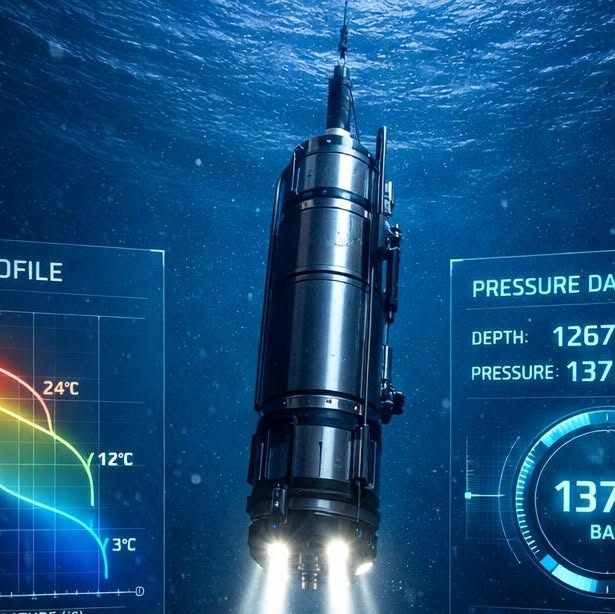
Deep Ocean Data: A Vital Record of Earth’s Changing Climate.
Beneath the waves, the ocean serves as a crucial record of our planet’s shifting climate. Most of the Earth's excess heat is stored in its depths, making subsurface temperature data vital for understanding global climate models. At World Data Ocean, we democratize access to this critical ocean intelligence, empowering researchers, policymakers, and curious minds alike with validated datasets. Our platforms provide the empirical evidence necessary for effective ocean stewardship.
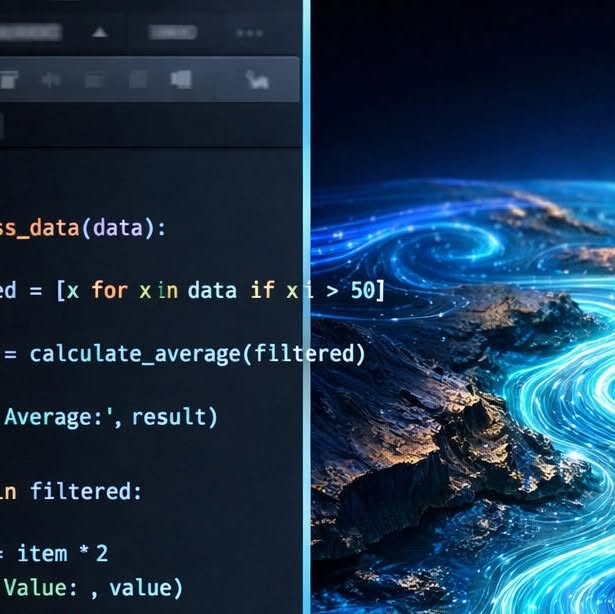
Unlock Ocean Insights: Efficient Data Access for Accelerated Research
Navigating the vast sea of raw data can feel overwhelming, but the Ocean Data Platform SDK is here to help you streamline your research process. Designed for efficiency, it allows you to filter and query data effectively, enabling you to focus on the insights that drive impactful ocean research. Coupled with our Python-based oceanography training, you will transform raw numbers into visual representations of ocean dynamics.
Citizen Science Highlights Elasmobranch Conservation Needs in Mozambique’s Waters
This study evaluates two decades of citizen science contributions to elasmobranch records along the Mozambican coast, highlighting the role of platforms like iNaturalist in addressing knowledge gaps in the Western Indian Ocean. By analyzing 408 records from 2007 to 2025, we documented 44 species, revealing significant increases in data collection, particularly since 2019. While a high percentage of species are classified as threatened, spatial biases in data reflect inconsistencies in sampling across regions.
Airborne Sensors Detect Underwater Munitions with NASA Technology
This study investigates the application of advanced airborne remote sensing technologies for the automated detection and localization of underwater military munitions, specifically unexploded ordnance (UXO). Utilizing NASA's passive multispectral Fluid Lensing and active MiDAR technologies, we conducted field experiments in cluttered marine environments. Our findings demonstrate the effectiveness of these methods, particularly the MiDAR system, in accurately identifying munitions obscured by biofouling and sedimentation. This innovative approach presents a significant advancement in UXO detection, promising enhanced safety for marine ecosystems and local communities.
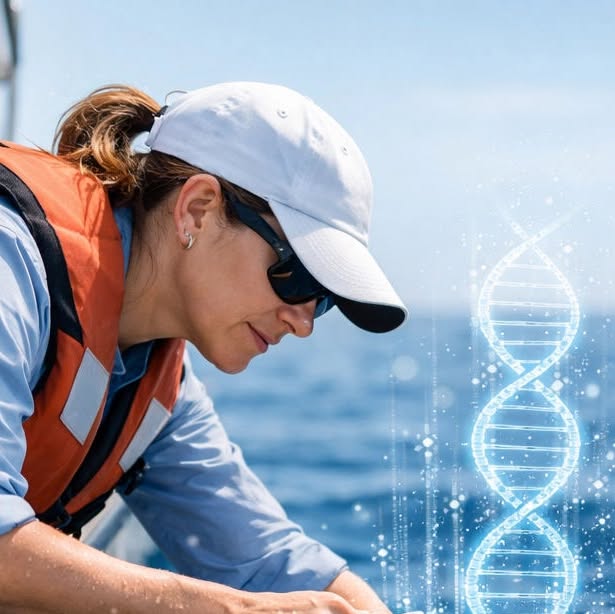
eDNA: Unlocking Ocean Biodiversity with Microscopic Samples
Did you know that a single 1.5-liter water sample can provide more insights into ocean biodiversity than traditional net surveys? Welcome to the transformative world of environmental DNA (eDNA) analysis. At World Data Ocean, we are harnessing these innovative datasets to empower researchers and policymakers in mapping thousands of marine species with unmatched accuracy. By utilizing advanced technology, we are enhancing the efficiency and accessibility of marine science, enabling real-time monitoring of ecosystem health and the discovery of elusive deep-sea life.
Omics Profiling Reveals Karenia HAB Risks, Guides Management in the Arabian Gulf
Next-generation sequencing (NGS) technologies are essential for advancing our understanding of harmful algal blooms (HABs) caused by Karenia spp. in the Arabian Gulf and Middle Eastern environments. As these blooms increasingly threaten desalination infrastructure and aquaculture, transitioning from traditional monitoring to predictive, omics-driven early warning systems is critical. A systematic review of literature reveals that while NGS-based RNA-Seq effectively characterizes toxin biosynthesis mechanisms, significant knowledge gaps persist regarding local strains. Addressing these gaps through integrated regional strategies will enhance ecological management and support sustainability goals.
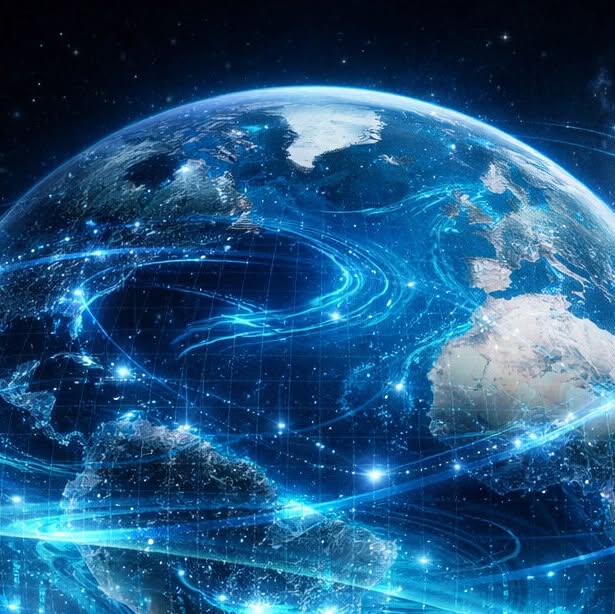
Ocean Intelligence: Predicting Change with the Digital Twin
Imagine a living, breathing model of our ocean that anticipates changes before they occur—this is the 'Digital Twin' of the ocean, a pivotal element of the UN Ocean Decade. At World Data Ocean, we are transforming raw data into actionable intelligence by merging validated scientific datasets with real-time sensors. This innovative platform enables researchers, policymakers, and industry leaders to explore complex marine ecosystems through an interactive, predictive tool. Together, we are fostering a more transparent and sustainable ocean for future generations. Discover more at worlddataocean.com.