regional conflict
World Data Ocean keeps regional conflict in one place: 3 stories so far. The section currently leads with “Law of the Sea as a shield for the Gulf's fragile marine life”, “Qatari LNG carrier targeted near Hormuz amid Pakistan-Iran transit clearance”, and “Crew Refusal Highlights Strait of Hormuz Risks for Maritime Workers”. The 1990-1991 Gulf War oil spill was the largest marine spill on record, yet the legal architecture meant to prevent a repeat has now been tested again. A Qatari LNG carrier was targeted near the Strait of Hormuz on October 30, a volatile development that underscores the fragility of energy transit routes. A Global Hub for Ocean Intelligence 4 World Data Ocean is a centralized digital platform where researchers, scientists, and ocean enthusiasts converge to… The list below is every regional conflict story on World Data Ocean, newest first.

Law of the Sea as a shield for the Gulf's fragile marine life
The 1990-1991 Gulf War oil spill was the largest marine spill on record, yet the legal architecture meant to prevent a repeat has now been tested again. Since February 2026, 120 shipping incidents around the Strait of Hormuz have released oil onto protected islands and mangroves, with no coordinated regional response. This paper maps the law of the sea's layered protections, from UNCLOS Part XII to the Kuwait Convention, and identifies two critical gaps: warship immunity and fragmented regional cooperation when conflict erupts.
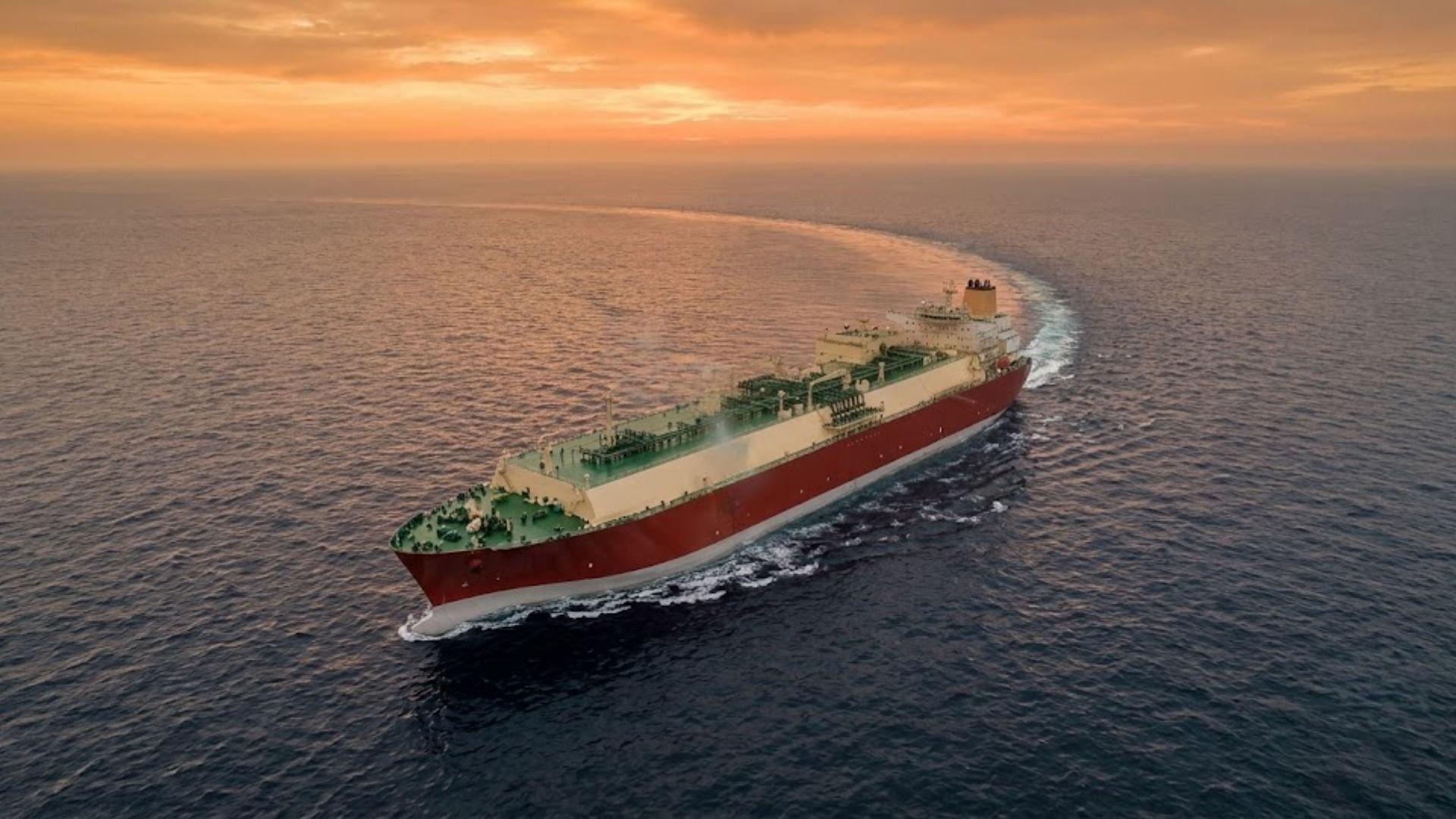
Qatari LNG carrier targeted near Hormuz amid Pakistan-Iran transit clearance
A Qatari LNG carrier was targeted near the Strait of Hormuz on October 30, a volatile development that underscores the fragility of energy transit routes. This incident occurred even as discussions over a clearance between Pakistan and Iran were reportedly underway. The strike suggests a deliberate escalation, not a random disruption. For deeper context on shifting regional threats, read our related coverage on redirected Iranian naval tactics targeting Gulf shipping lanes.

Crew Refusal Highlights Strait of Hormuz Risks for Maritime Workers
A refusal to transit the Strait of Hormuz is not a small decision; it is a direct measure of perceived risk. Sixteen Indian crew members aboard the Marshall Islands-flagged AM Pioneer have made that call, and their judgment speaks to the reality facing maritime workers in this waterway. Their choice underscores that safety concerns now outweigh the pressure to keep moving, a point that deserves serious attention from the industry.