radar systems
5 stories filed under radar systems on World Data Ocean. The newest of them: “Integrated sensors and aerial surveillance reinforce Black Sea maritime security”, “Black Sea Tanker Fire Prompts Investigation After Romanian Drone Reports”, and “Enhanced Monitoring: China Expands Djibouti Base Near Key Shipping Lanes”. Integrated sensors and aerial surveillance reinforce Black Sea maritime security as ship attacks escalate. A chemical tanker anchored off Romania's coast is now the subject of an investigation after a fire broke out aboard the Yara J, 8-10 nautical miles southeast of the Sulina Canal. A Global Hub for Ocean Intelligence 4 World Data Ocean is a centralized digital platform where researchers, scientists, and ocean enthusiasts converge to… The list below is every radar systems story on World Data Ocean, newest first.
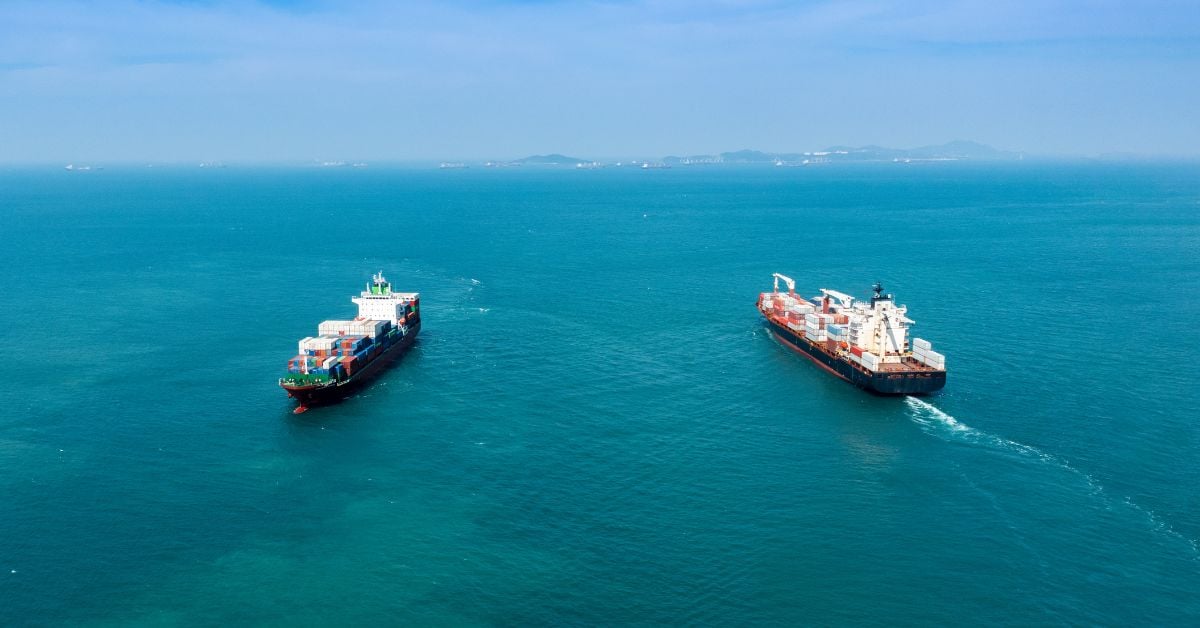
Integrated sensors and aerial surveillance reinforce Black Sea maritime security
Integrated sensors and aerial surveillance reinforce Black Sea maritime security as ship attacks escalate. NATO's deployment of surveillance aircraft, drones, and radar systems across the region signals a calibrated, real-time response to growing threats. This measured escalation prioritizes empirical data over alarm, understanding drives protection. For deeper context on maritime vulnerabilities, see our coverage of the supertanker mine strike in the Strait of Hormuz. From orbit to ocean floor, integrated monitoring remains our strongest defense.
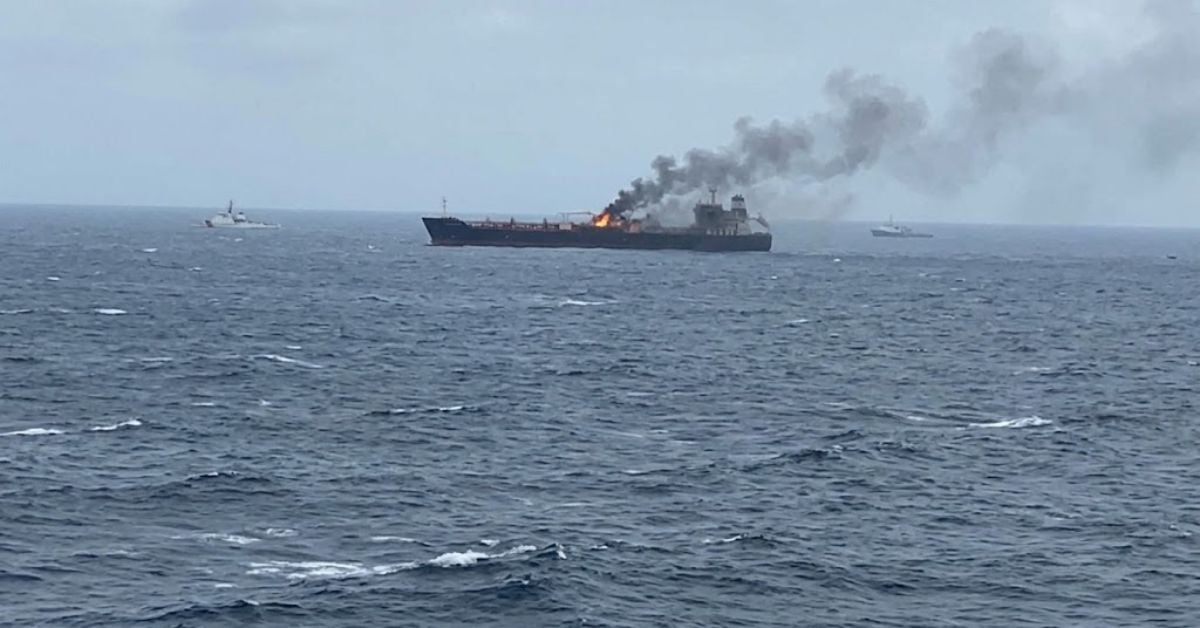
Black Sea Tanker Fire Prompts Investigation After Romanian Drone Reports
A chemical tanker anchored off Romania's coast is now the subject of an investigation after a fire broke out aboard the Yara J, 8-10 nautical miles southeast of the Sulina Canal. The Black Sea remains a theater of compounding threats, where environmental risk from aging vessels meets geopolitical instability. For readers tracking these converging maritime crises, our coverage of the *Three-drone strike sinks Maltese-flagged vessel near Bulgarian coast* documents an equally sobering intersection of commerce and conflict.
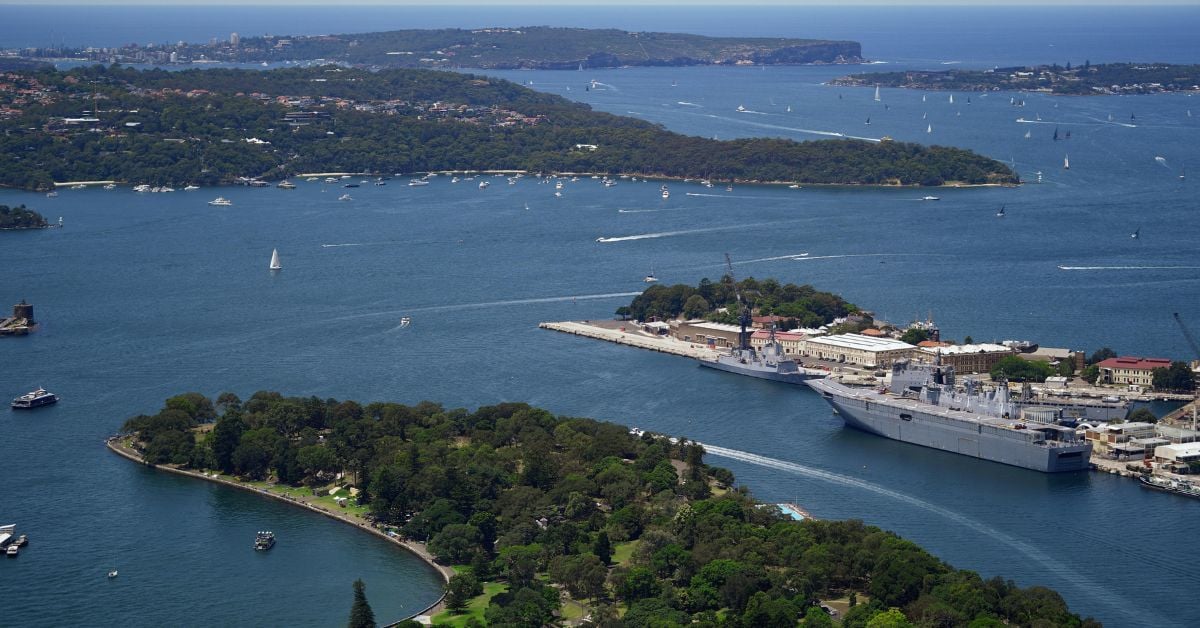
Enhanced Monitoring: China Expands Djibouti Base Near Key Shipping Lanes
Satellite imagery shows Beijing has expanded its Djibouti base with new radars, antennas, and naval assets, sharpening its watch over one of the world's busiest maritime corridors. The move is measured, deliberate, and strategically clear. It is not about alarm; it is about presence. For readers tracking how naval power reshapes trade routes, this pairs naturally with our report on Gulf of Oman STS transfers maxing out.
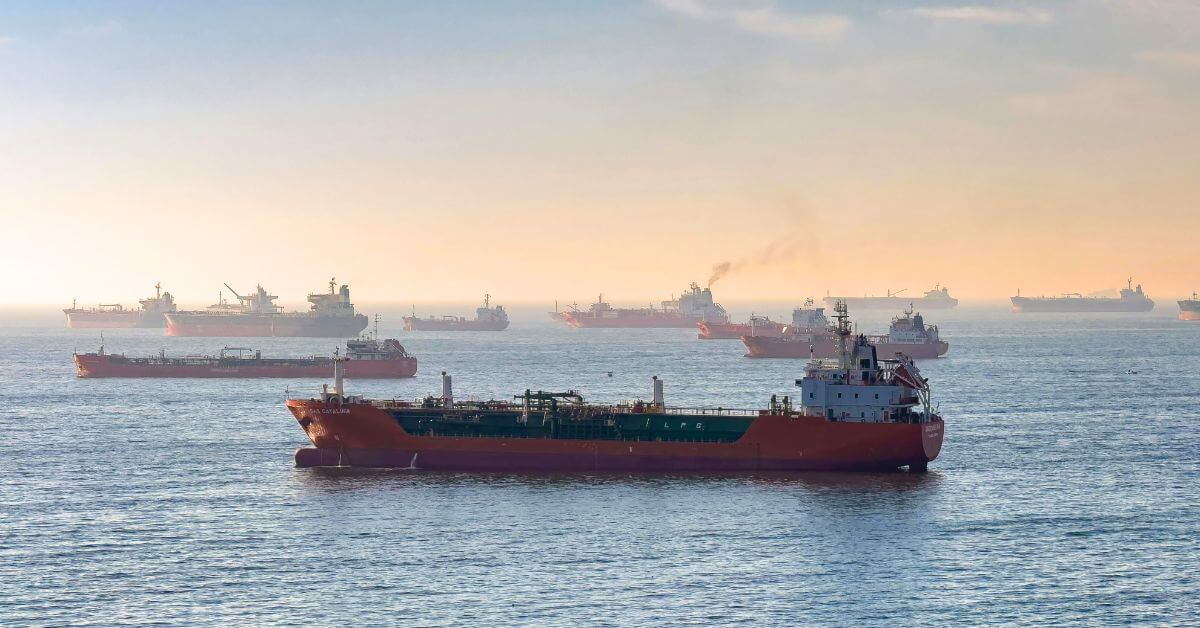
Escalation in Hormuz: U.S. Targets Iranian Tankers Amid Rising Tensions
For the first time, U.S. forces have directly targeted Iranian tankers in response to attacks on commercial shipping in the Strait of Hormuz. The escalation marks a decisive shift in how Washington is policing one of the world's most critical maritime chokepoints. Measured, but unmistakable, the action signals that the rules of engagement have changed. As pressure builds across the region, the implications for oil flows and navigation are immediate.

Shipping Corridor Established: U.S. Facilitates Oil Flow Through Hormuz
The U.S. military has quietly established a shipping corridor through the Strait of Hormuz, moving millions of barrels of oil daily. It is a measured, logistical response to a volatile region, and one that carries real strategic weight. The move underscores the practical realities of maintaining energy flow when diplomatic channels remain fragile. For context on how pressure is building nearby, our related piece, "Gulf of Oman STS Transfers Max Out Amid Rising Saudi Oil Exports," offers a clearer picture of the strain.