Quebec
2 stories filed under Quebec on World Data Ocean. The newest of them: “Ancient Impact Crater, 390 Million Years Old, Identified in Quebec” and “Canada Bolsters Arctic Capabilities with New Icebreaker Fleet.”. A chance glance at satellite maps for a camping trip has yielded a 390-million-year-old secret. Canada is putting steel behind its Arctic strategy with a new icebreaker fleet that will give NATO its largest polar capability. A Global Hub for Ocean Intelligence 4 World Data Ocean is a centralized digital platform where researchers, scientists, and ocean enthusiasts converge to… The list below is every Quebec story on World Data Ocean, newest first.
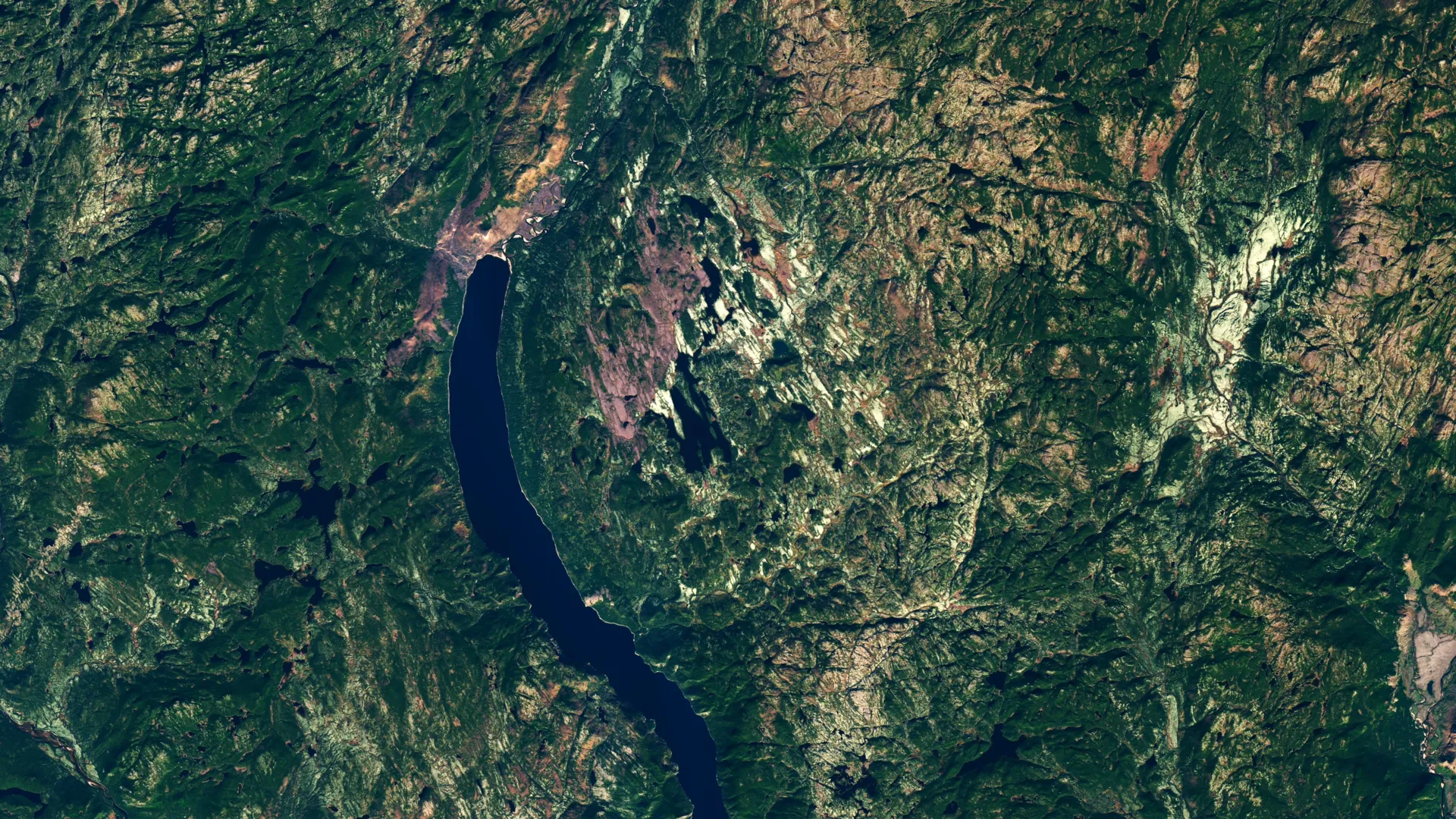
Ancient Impact Crater, 390 Million Years Old, Identified in Quebec
A chance glance at satellite maps for a camping trip has yielded a 390-million-year-old secret. An amateur astronomer's discovery in Quebec led scientists to confirm a 25-kilometer-wide impact crater, evidenced by shatter cones. It is a striking reminder that Earth's history is written in plain sight. For those tracking planetary forces, this find complements our coverage of Cascadia's Subduction Zone Reveals a Fragmented Tectonic Process, adding another layer to our understanding of the planet's dynamic, violent past.

Canada Bolsters Arctic Capabilities with New Icebreaker Fleet.
Canada is putting steel behind its Arctic strategy with a new icebreaker fleet that will give NATO its largest polar capability. The move sharpens a quiet but consequential gap: the United States operates just three aging polar icebreakers. This is what integrated ocean intelligence looks like in practice: measured, deliberate, and forward-deployed. For readers tracking the wider picture, our coverage of Russia's Northern Sea Route fleet plans offers a useful counterpoint. The Arctic is no longer a frontier; it is a jurisdiction.