production capacity
World Data Ocean keeps production capacity in one place: 3 stories so far. The section currently leads with “India's first e-methanol plant fuels cleaner shipping on the Asia-Europe corridor”, “Maersk’s Fleet Expansion Signals Continued LNG Investment in Global Shipping”, and “Expanding Naval Capacity: $71.6 Billion Investment in Submarine Fleet”. A ₹2,300 crore investment now anchors India's first e-methanol plant, designed to supply cleaner fuel for ships on the Asia-Europe corridor. Maersk's planned order of 42 dual-fuel LNG vessels, including 12 ships at 24,000 TEU, signals a decisive, long-term commitment to gas as a transitional marine fuel. A Global Hub for Ocean Intelligence 4 World Data Ocean is a centralized digital platform where researchers, scientists, and ocean enthusiasts converge to… The list below is every production capacity story on World Data Ocean, newest first.
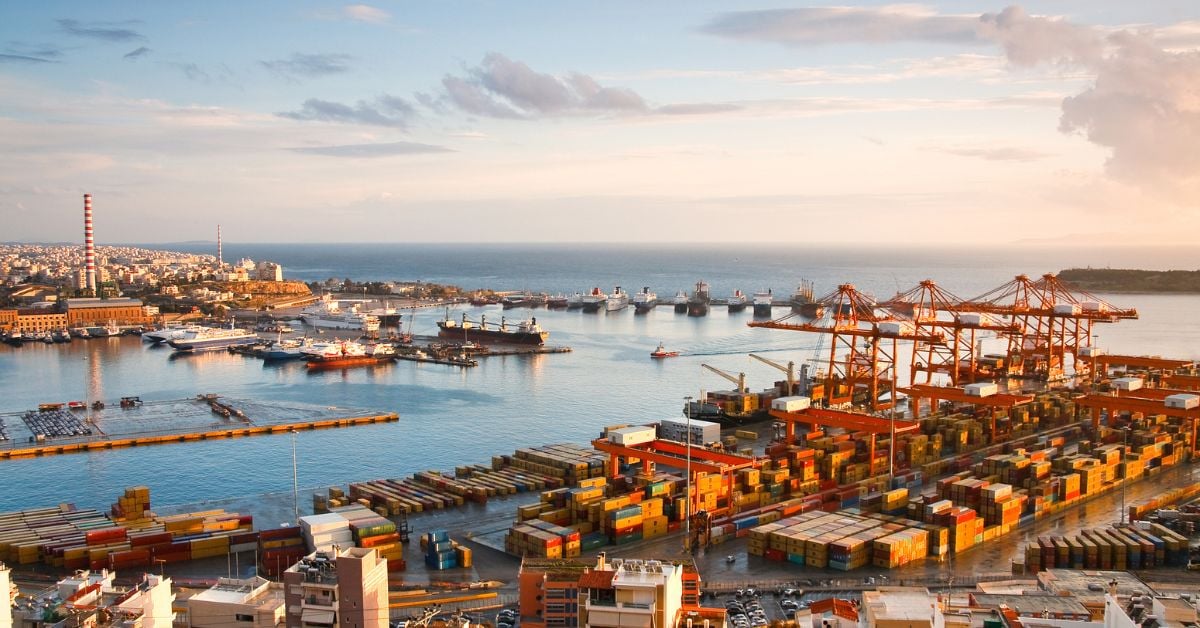
India's first e-methanol plant fuels cleaner shipping on the Asia-Europe corridor
A ₹2,300 crore investment now anchors India's first e-methanol plant, designed to supply cleaner fuel for ships on the Asia-Europe corridor. This is measurable progress, a calibrated step toward decarbonizing one of the world's busiest trade routes. Validated, real-time climate indicators demand such integrated solutions. The project reflects purpose-driven innovation, not hype. For deeper context on maritime welfare, see our coverage of the Seafarers' Welfare Centre approved for Goa's Mormugao Port. Understanding drives protection, from fuel formulation to port infrastructure.
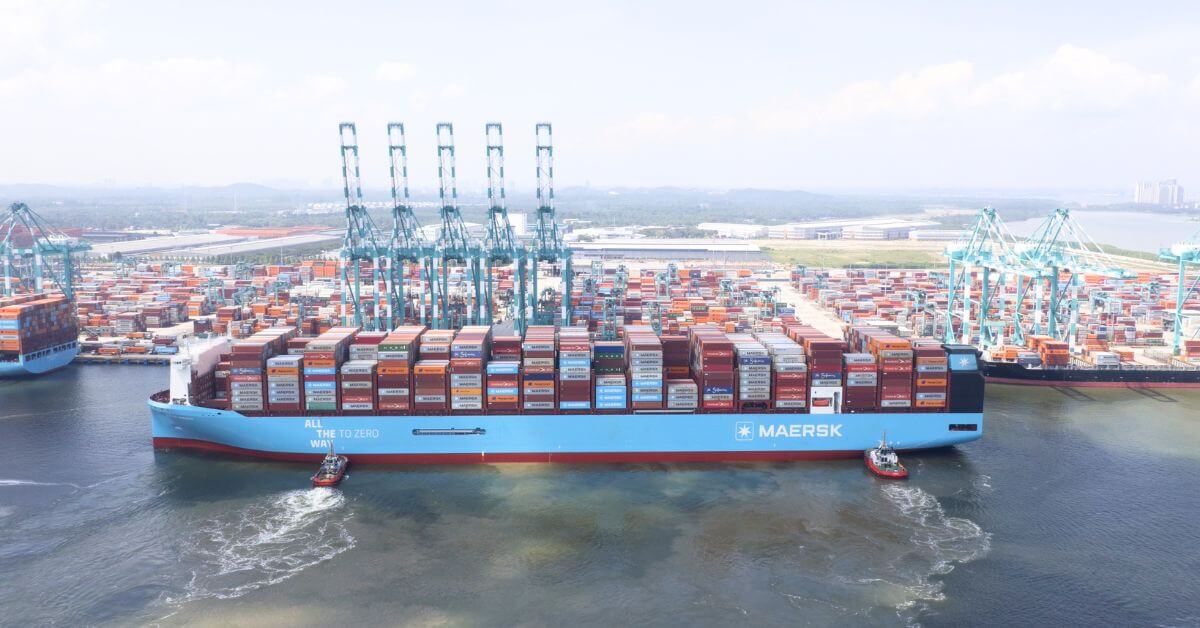
Maersk’s Fleet Expansion Signals Continued LNG Investment in Global Shipping
Maersk's planned order of 42 dual-fuel LNG vessels, including 12 ships at 24,000 TEU, signals a decisive, long-term commitment to gas as a transitional marine fuel. This is not speculative hedging; it is calibrated capacity building. The scale is measurable, and the direction is clear. For context on how port infrastructure is evolving alongside such fleet strategies, our related piece, "Paradip Port Designated a Mega Port, Anchors Eastern India's Maritime Growth," offers a useful lens.

Expanding Naval Capacity: $71.6 Billion Investment in Submarine Fleet
A $71.6 billion investment in the U.S. submarine fleet signals a decisive commitment to naval readiness. Electric Boat, General Dynamics' nuclear submarine unit, anchors this effort through design, construction, and modernization. This scale of funding reflects measured confidence in long-term maritime strategy. For context on how allied and competing navies are expanding, our coverage of China's new nuclear carrier highlights parallel developments in extended operations. Together, these stories underscore a shifting global balance beneath the waves, where capability and endurance define influence.