Port Logistics
2 stories filed under Port Logistics on World Data Ocean. The newest of them: “Optimizing Container Terminal Efficiency Through Integrated Crane and Truck Coordination” and “AI Modernizes Port Logistics, Eliminating Bottlenecks and Optimizing Operations”. Container terminal efficiency hinges on the precise coordination of yard cranes and internal trucks, yet equipment waiting and prolonged operation times persist as constraints. Legacy terminal operating systems were never built for the scale of modern shipping, and the result is predictable: berths sit idle while trucks queue at the gate. A Global Hub for Ocean Intelligence 4 World Data Ocean is a centralized digital platform where researchers, scientists, and ocean enthusiasts converge to… The list below is every Port Logistics story on World Data Ocean, newest first.

Optimizing Container Terminal Efficiency Through Integrated Crane and Truck Coordination
Container terminal efficiency hinges on the precise coordination of yard cranes and internal trucks, yet equipment waiting and prolonged operation times persist as constraints. This study tackles that challenge directly, introducing a mixed-integer linear programming model optimized through the NoisyNet-A3C algorithm. The results are compelling: a 23.9% reduction in crane operation time and a 21.7% cut in truck waiting at Xiamen Port's Haitian Terminal. This validated, data-driven approach offers a practical pathway toward operational energy optimization and sustainable port logistics.
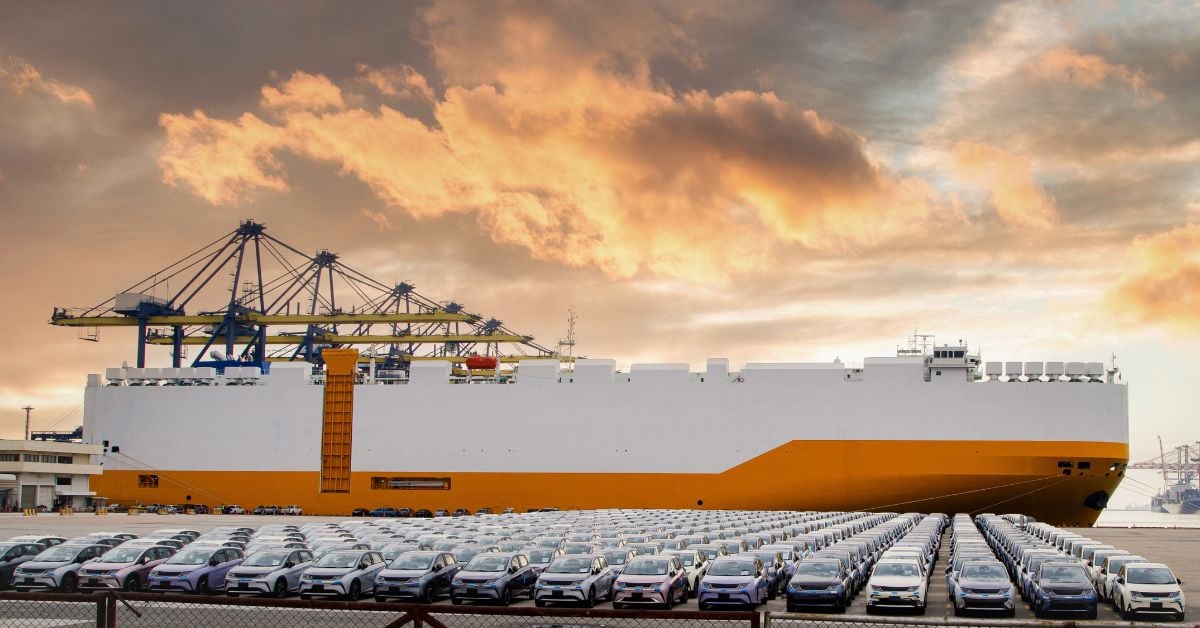
AI Modernizes Port Logistics, Eliminating Bottlenecks and Optimizing Operations
Legacy terminal operating systems were never built for the scale of modern shipping, and the result is predictable: berths sit idle while trucks queue at the gate. AI-driven TOS changes that equation by automating berth planning and smoothing cargo flow in real time. The efficiency gains are measurable, not theoretical. For those tracking how machine intelligence reshapes logistics, our coverage of integrated crane and truck coordination offers a deeper look at the same operational challenge. Precision here is not optional; it is the point.