port congestion
World Data Ocean keeps port congestion in one place: 5 stories so far. The section currently leads with “Data analytics turns maritime supply chain data into measured resilience”, “GenAI risk models strengthen coastal trade resilience through empirical validation”, and “Gate Delays Expose Critical Link in National Trade Flow”. Data analytics transforms scattered maritime supply chain resources into measured resilience. Maritime transport carries the overwhelming majority of cross-border agricultural trade, yet coastal enterprises face mounting uncertainty from geopolitical shocks, climate anomalies, and port congestion. A Global Hub for Ocean Intelligence 4 World Data Ocean is a centralized digital platform where researchers, scientists, and ocean enthusiasts converge to… The list below is every port congestion story on World Data Ocean, newest first.

Data analytics turns maritime supply chain data into measured resilience
Data analytics transforms scattered maritime supply chain resources into measured resilience. This study of 214 Chinese bulk commodity importers reveals a clear process: resource acquisition enables bundling, which fuels leveraging, and all three activities strengthen data analytics capability. Analytics capability then drives both robustness and recovery. The findings validate what we have long suspected: coordinated resource management and data-driven decision making are inseparable. For deeper coverage, see our related article "Digitalization validated as measurable driver of maritime environmental value."
GenAI risk models strengthen coastal trade resilience through empirical validation
Maritime transport carries the overwhelming majority of cross-border agricultural trade, yet coastal enterprises face mounting uncertainty from geopolitical shocks, climate anomalies, and port congestion. This study empirically validates that GenAI risk models, spanning multi-source identification, prediction accuracy, and calibration, directly strengthen trade resilience. The findings are measured and actionable: all three dimensions showed statistically significant positive associations, explaining nearly half the variance in resilience. For deeper context on the data underpinning these trade flows, see our related coverage of UNCTAD's new seaborne trade statistics.
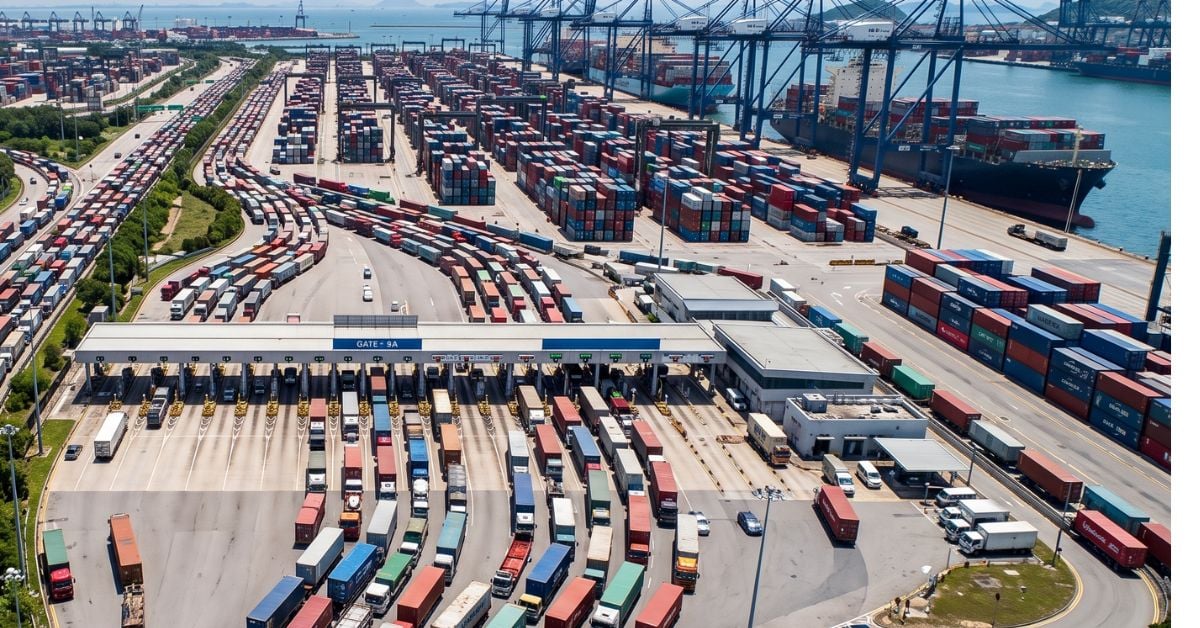
Gate Delays Expose Critical Link in National Trade Flow
A single container gate may appear unremarkable, yet its operational rhythm sets the tempo for national trade flow. When delays accumulate at this critical juncture, the ripple effect on export-import volumes is immediate and measurable. We see this bottleneck as a calibrated indicator of broader supply-chain health. Understanding this link is not optional; it is essential for integrated logistics planning.
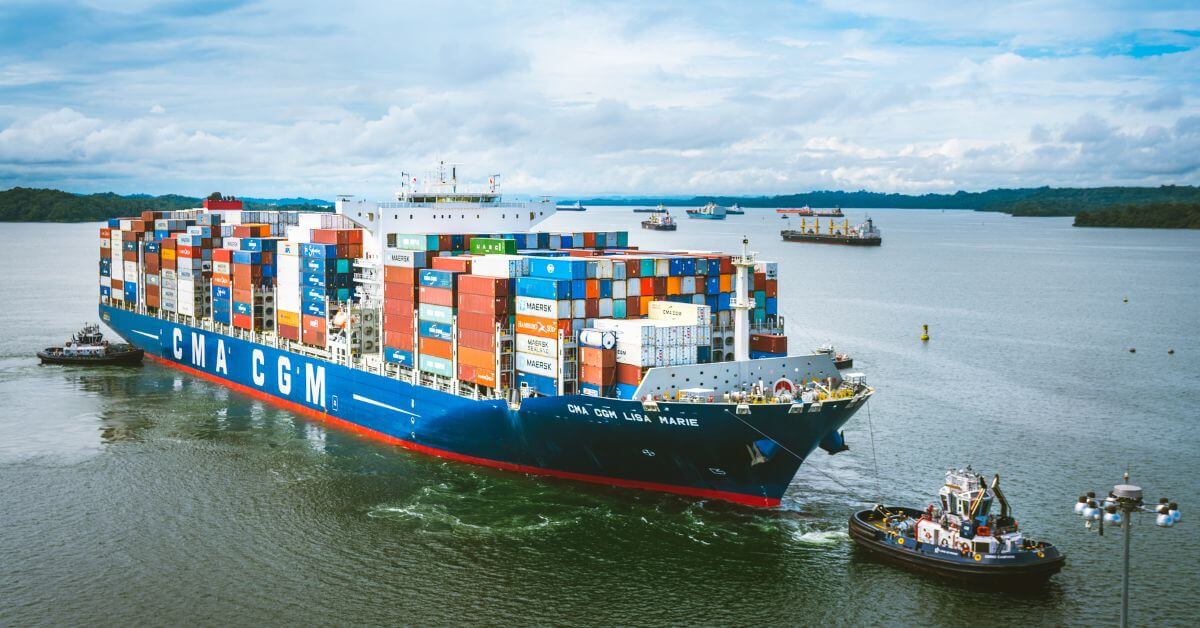
Samsung Alleges Shipping Act Violations by CMA CGM.
Samsung Electronics America has filed a complaint with the U.S. Federal Maritime Commission against CMA CGM, alleging Shipping Act violations. The move signals growing tension between major shippers and carriers over contractual accountability. It is a reminder that ocean intelligence must include legal scrutiny, not just logistical performance. As global supply chains face mounting pressure, disputes like this one carry real consequences.

Port Delays Surge: Global Congestion Impacts Freight Rates and Operations
Port congestion is no longer a logistical footnote; it is a primary lever on global freight rates. Longer waiting times at anchor translate directly into longer turnaround times for vessels, and that idling carries a measurable cost. The result is an escalation in freight rates and operational expenses that ripples through every supply chain. This is the friction of a system operating at its limits. While record port activity reflects surging Chinese exports amid trade uncertainty, the operational strain is undeniable.