plateau
2 stories filed under plateau on World Data Ocean. The newest of them: “A decade of plateau: global cement production holds steady as climate indicators tighten” and “Earth's Interior Shaped Antarctica's Early Ice Age”. For a decade, global cement production has held steady. East Antarctica's ice sheet did not appear because of a cooling planet alone. A Global Hub for Ocean Intelligence 4 World Data Ocean is a centralized digital platform where researchers, scientists, and ocean enthusiasts converge to… The list below is every plateau story on World Data Ocean, newest first.
A decade of plateau: global cement production holds steady as climate indicators tighten
For a decade, global cement production has held steady. This plateau, however, is not a signal of complacency. As climate indicators tighten, the stability of a major industrial sector stands in stark contrast to the accelerating pressures on our planet. The same industrial systems we rely on demand rigorous, empirical scrutiny. Understanding this measured data is the first step toward meaningful action. For deeper context on material flows, see our related work, "Mapping the 2019 Flow of Plastic Waste into Our Ocean."
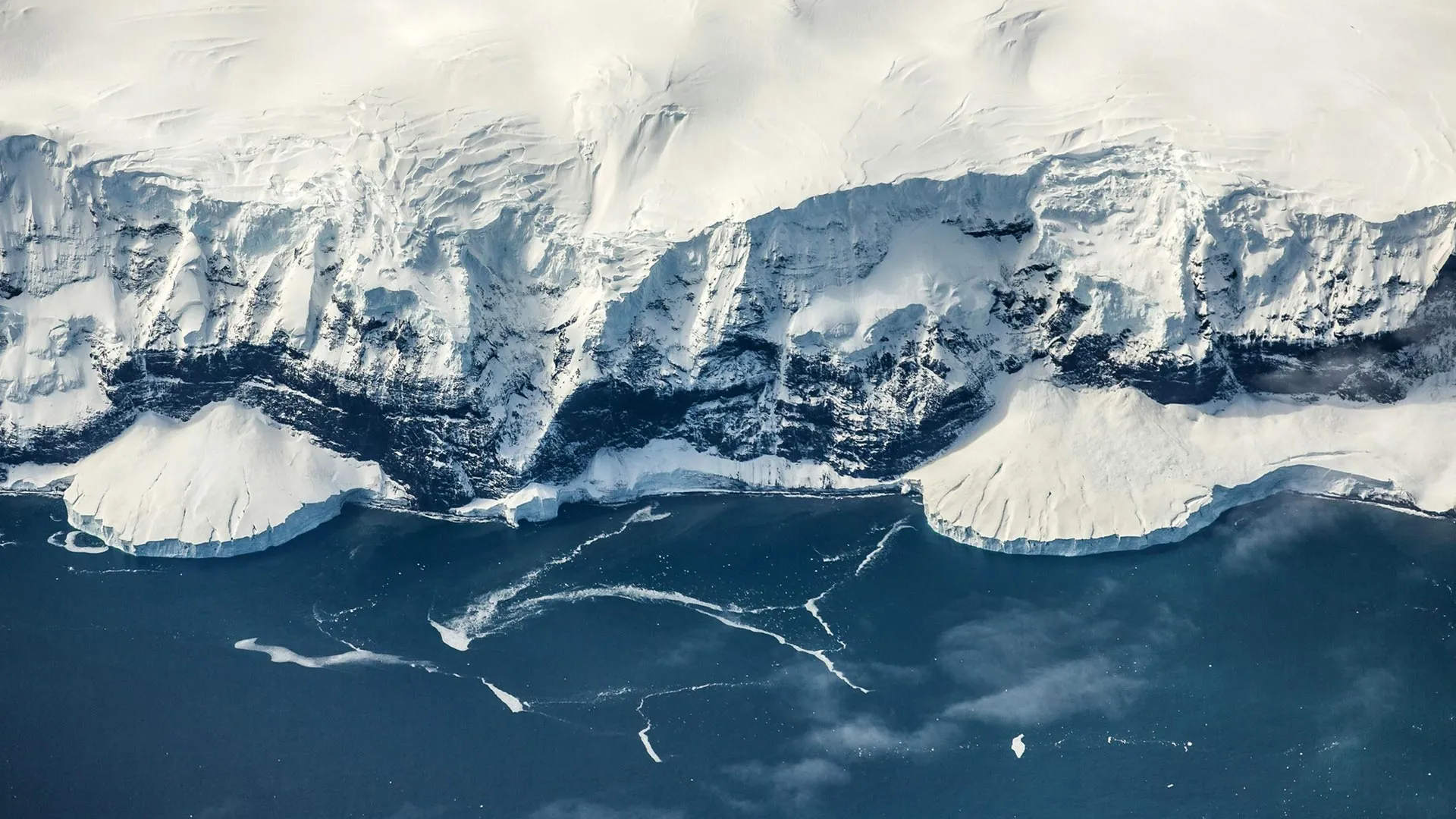
Earth's Interior Shaped Antarctica's Early Ice Age
East Antarctica's ice sheet did not appear because of a cooling planet alone. Slow-moving waves deep within Earth lifted the region, raising mountains and a high plateau where snow could persist even in a warmer world. Once glaciers formed, their reflective surfaces amplified the cooling. This is a reminder that geology and climate move together, not in isolation. For more on how deep Earth processes echo through time, see our coverage of magma and microbial activity rewriting a 2-billion-year-old carbon signal.