plastic transport
plastic transport at World Data Ocean is a file of 3 stories. The newest of them: “Pinpointing the 1000 Rivers Driving Plastic to the Ocean”, “Tracking 350 million tons of annual plastic waste to its ocean sink”, and “Eastern Pacific Reveals Abyssal Plastic Contamination and Coastal Trends”. A single river can carry thousands of tons of plastic to the sea. 350 million tonnes of plastic waste enters the global system each year, but where does it finally settle? A Global Hub for Ocean Intelligence 4 World Data Ocean is a centralized digital platform where researchers, scientists, and ocean enthusiasts converge to… The list below is every plastic transport story on World Data Ocean, newest first.
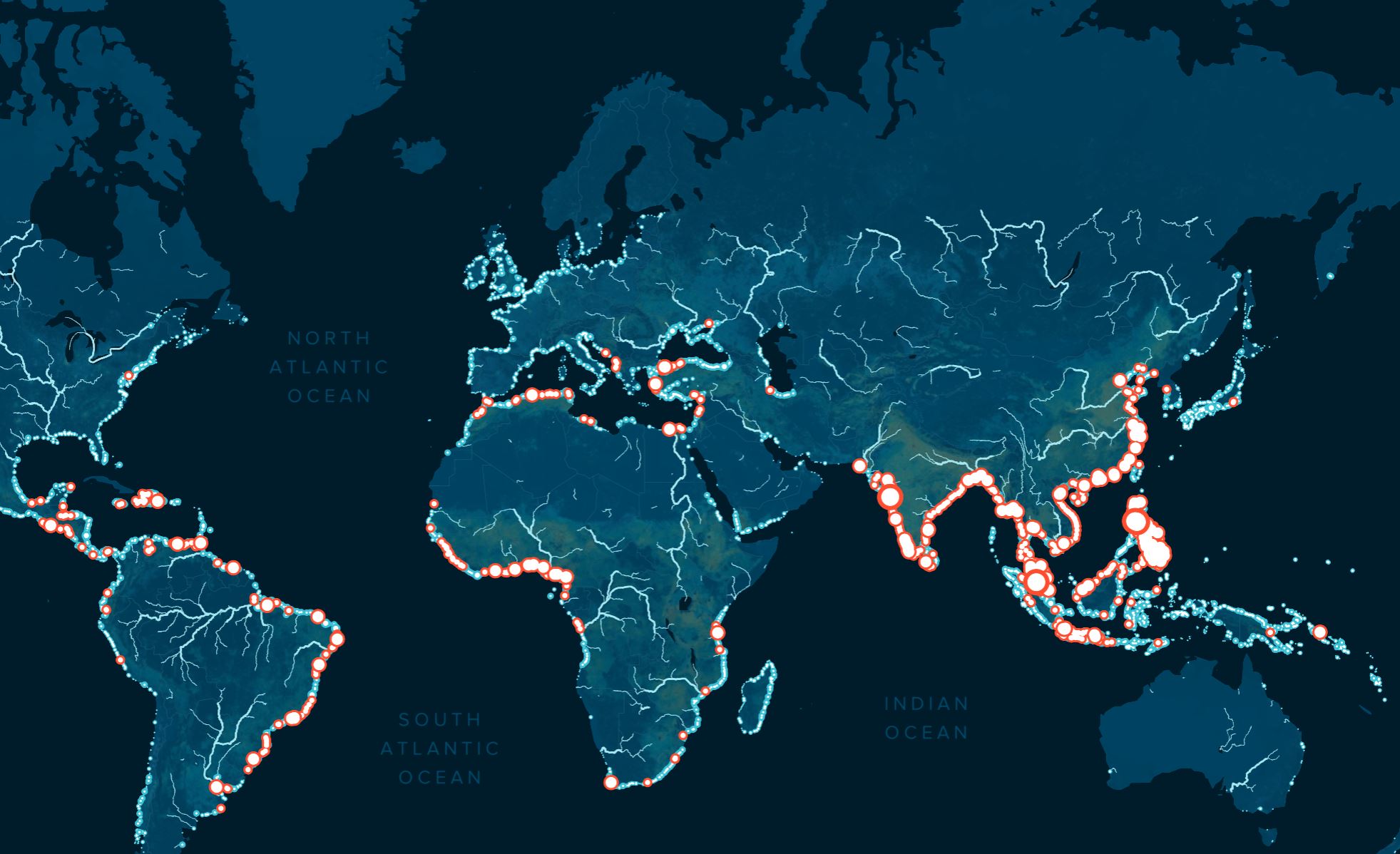
Pinpointing the 1000 Rivers Driving Plastic to the Ocean
A single river can carry thousands of tons of plastic to the sea. Now we know which ones matter most. Our study, published in _Science Advances_, pinpoints the 1,000 rivers responsible for nearly 80% of global riverine plastic emissions. This is not guesswork, it is validated, empirical data. Understanding drives protection. For a closer look at how these pathways connect to coastal and oceanic systems, read "From coast to current: tracking plastic pollution through integrated ocean intelligence."
Tracking 350 million tons of annual plastic waste to its ocean sink
350 million tonnes of plastic waste enters the global system each year, but where does it finally settle? Tracking this debris to its ocean sink requires calibrated, real-time data, the kind of integrated ocean intelligence that reveals the measurable impact of human activity. Understanding this pathway is protection in action. For deeper context on how we validate such environmental signals, see our related coverage of measured sea level rise validated across decades of ocean data.

Eastern Pacific Reveals Abyssal Plastic Contamination and Coastal Trends
In February 2024, the submarine NAUTILE descended beyond 3,900 meters along Ecuador's margin, capturing degraded fishing gear at cold seeps and intact packaging on the abyssal plain. This first report of plastic pollution in the eastern equatorial Pacific abyss pairs with a six-year beach time series to show coastal and deep-sea debris moving in tandem. The connectivity is suggestive, yet the evidence is measurable. Understanding drives protection, and this dual perspective delivers both.