plastic debris
World Data Ocean keeps plastic debris in one place: 4 stories so far. The section currently leads with “Largest-ever survey of the Great Pacific Garbage Patch yields calibrated data”, “Billions of pounds of waste enter our ocean each year: measured and mapped”, and “From two million to over 450 million tonnes: measuring the rise of plastic production”. The most extensive analysis ever conducted of the Great Pacific Garbage Patch has yielded calibrated, empirical data on the world's largest ocean plastic accumulation, located between Hawaii and California. A Global Hub for Ocean Intelligence 4 World Data Ocean is a centralized digital platform where researchers, scientists, and ocean enthusiasts converge to… The list below is every plastic debris story on World Data Ocean, newest first.
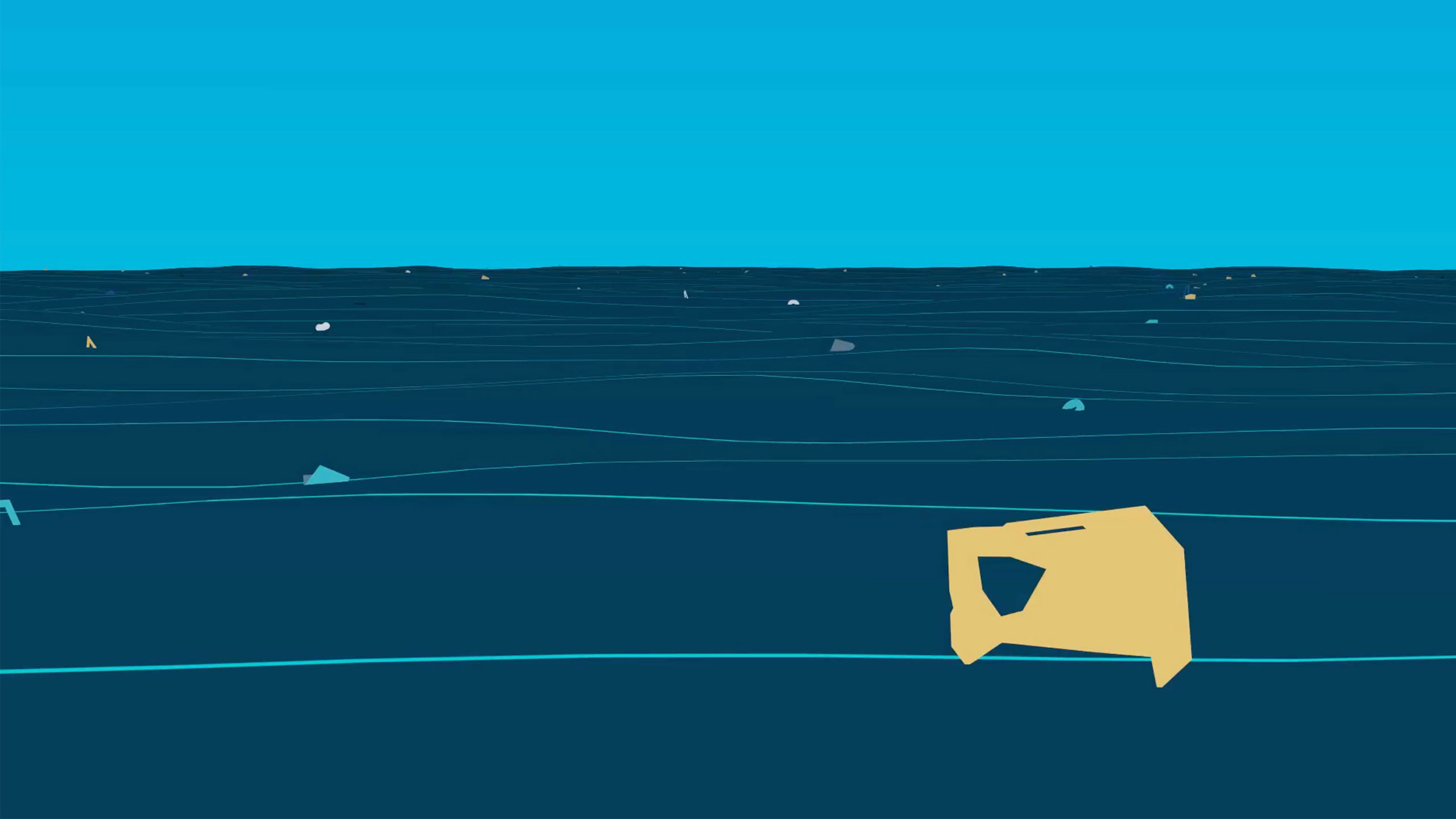
Largest-ever survey of the Great Pacific Garbage Patch yields calibrated data
The most extensive analysis ever conducted of the Great Pacific Garbage Patch has yielded calibrated, empirical data on the world's largest ocean plastic accumulation, located between Hawaii and California. This validated survey by The Ocean Cleanup transforms our understanding from estimates to measurable reality. Understanding drives protection. For deeper context on how plastic reaches these waters, see our related piece, "Pinpointing the 1000 Rivers Driving Plastic to the Ocean."
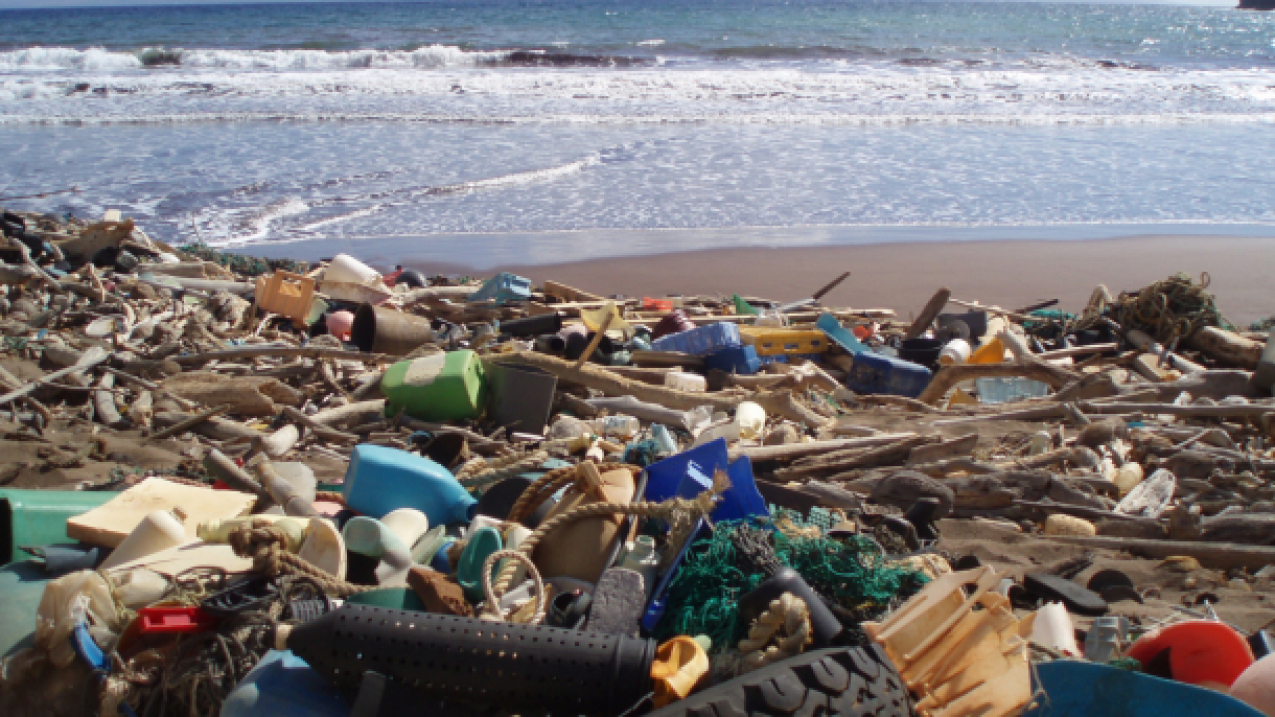
Billions of pounds of waste enter our ocean each year: measured and mapped
Billions of pounds of waste enter our ocean each year, now measured and mapped with empirical precision. This isn't abstraction; it's a validated, real-time crisis we can finally track from source to sink. Understanding drives protection, and integrated data ecosystems turn this overwhelming problem into calibrated, actionable intelligence. For deeper insight into how digital tools reshape ocean stewardship, see our coverage of how digital twins are testing new legal frameworks for data sharing.
From two million to over 450 million tonnes: measuring the rise of plastic production
From two million to over 450 million tonnes in seventy years, that is the measurable, empirical trajectory of global plastic production. This sharp rise demands calibrated observation, not alarm. Understanding the scale of this material shift is the first step toward integrated ocean intelligence. For deeper context on how we track such environmental changes, our piece *"From orbit to shore: sharpening coastal views through harmonized sensors"* explores the satellite technology making these measurements possible.

Eastern Pacific Reveals Abyssal Plastic Contamination and Coastal Trends
In February 2024, the submarine NAUTILE descended beyond 3,900 meters along Ecuador's margin, capturing degraded fishing gear at cold seeps and intact packaging on the abyssal plain. This first report of plastic pollution in the eastern equatorial Pacific abyss pairs with a six-year beach time series to show coastal and deep-sea debris moving in tandem. The connectivity is suggestive, yet the evidence is measurable. Understanding drives protection, and this dual perspective delivers both.