planet
planet at World Data Ocean is a file of 3 stories. The newest of them: “Ancient ocean phosphorus cycles reveal Earth's 2.3-billion-year oxygen secret”, “Magma and microbial activity may rewrite a 2-billion-year-old carbon signal”, and “Ocean Stewardship: Validated Data for a Sustainable Future.”. Phosphorus recycling in ancient oceans may have solved a 2.3-billion-year mystery: how Earth kept enough oxygen to support life. A 2-billion-year-old chemical signature, long read as a planetary turning point, may instead record a quieter, more local story. A Global Hub for Ocean Intelligence 4 World Data Ocean is a centralized digital platform where researchers, scientists, and ocean enthusiasts converge to… The list below is every planet story on World Data Ocean, newest first.
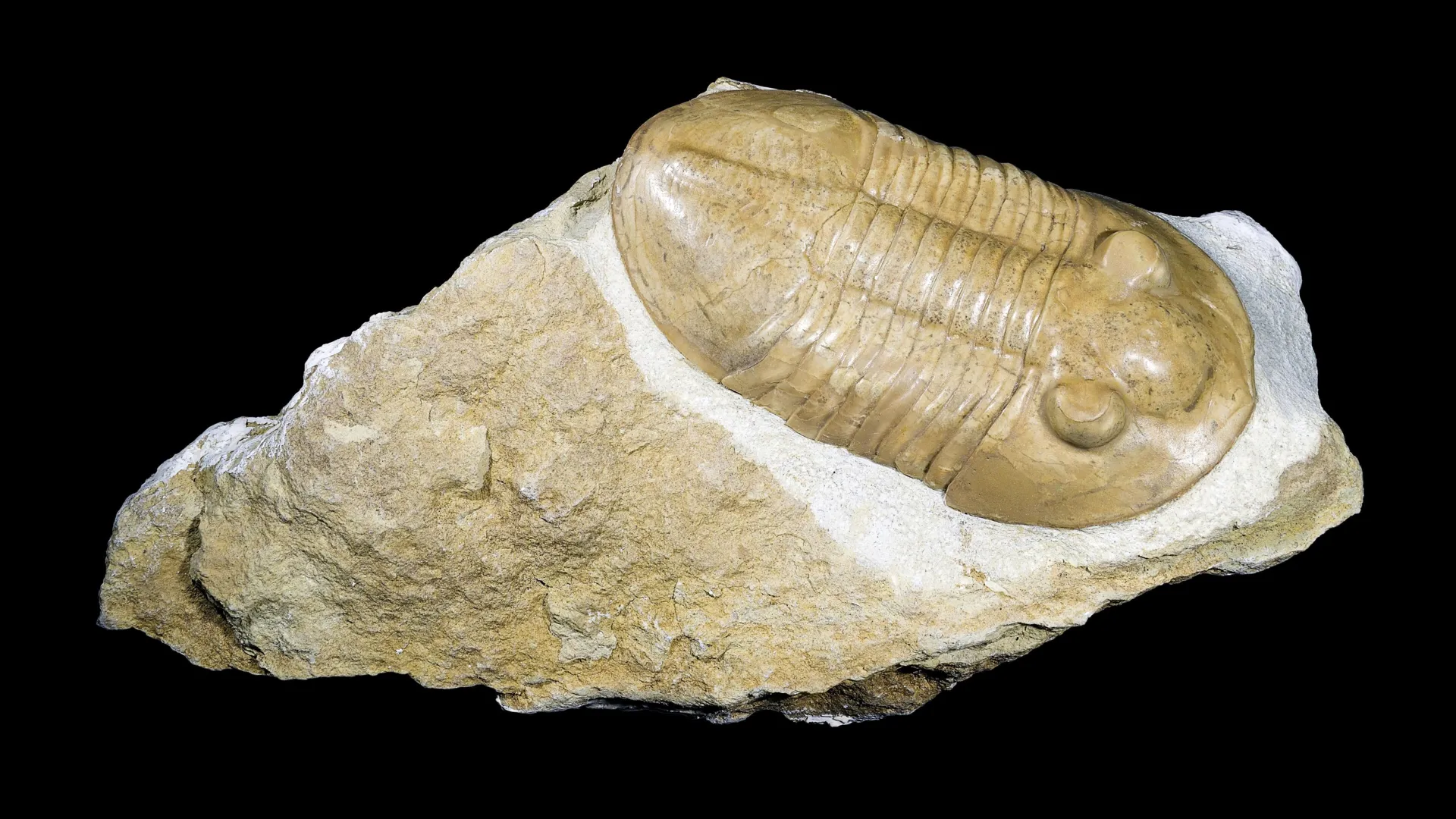
Ancient ocean phosphorus cycles reveal Earth's 2.3-billion-year oxygen secret
Phosphorus recycling in ancient oceans may have solved a 2.3-billion-year mystery: how Earth kept enough oxygen to support life. New evidence from old rocks reveals a self-sustaining cycle that maintained high oxygen levels through dramatic planetary change. This challenges long-held assumptions about our early atmosphere. It also raises compelling questions about why complex life took so long to emerge. For deeper context, our coverage of "Acidification Alters Phytoplankton Chemistry" explores how ocean chemistry continues shaping life today.

Magma and microbial activity may rewrite a 2-billion-year-old carbon signal
A 2-billion-year-old chemical signature, long read as a planetary turning point, may instead record a quieter, more local story. Scientists found that magma, hydrocarbons, and methane-eating microbes could have produced the signal, not a global shift in Earth's carbon cycle. That distinction matters. It asks us to revisit assumptions about oxygen's rise with calibrated caution. For more context on how Earth's systems respond to pressure, our piece on El Niño's unprecedented ocean warming offers a useful parallel. Understanding drives protection.
Ocean Stewardship: Validated Data for a Sustainable Future.
The ocean holds more data than we have yet learned to trust. Ocean Stewardship: Validated Data for a Sustainable Future centers on that gap, turning raw observation into peer-reviewed action. We are not asking for blind faith in technology; we are asking for calibrated, measurable responses to climate indicators. This is how we save oceans, not through alarm, but through integrated data ecosystems that guide policy and practice.