paleoclimatology
paleoclimatology at World Data Ocean is a file of 3 stories. The newest of them: “A hidden ocean chain reaction linked Earth's poles to trigger ice ages”, “Deglaciation decoded through global benthic foraminifera isotope synthesis”, and “Arctic Carbon Release: Seafloor Sediment Limits Greenhouse Gas Impact”. A climate chain reaction linking Earth's poles has been mapped, revealing how Northern Hemisphere ice sheets may have triggered past ice ages. Foraminifera shells, retrieved from seafloor sediments worldwide, now reveal the precise timing and pacing of the last deglaciation. A Global Hub for Ocean Intelligence 4 World Data Ocean is a centralized digital platform where researchers, scientists, and ocean enthusiasts converge to… The list below is every paleoclimatology story on World Data Ocean, newest first.
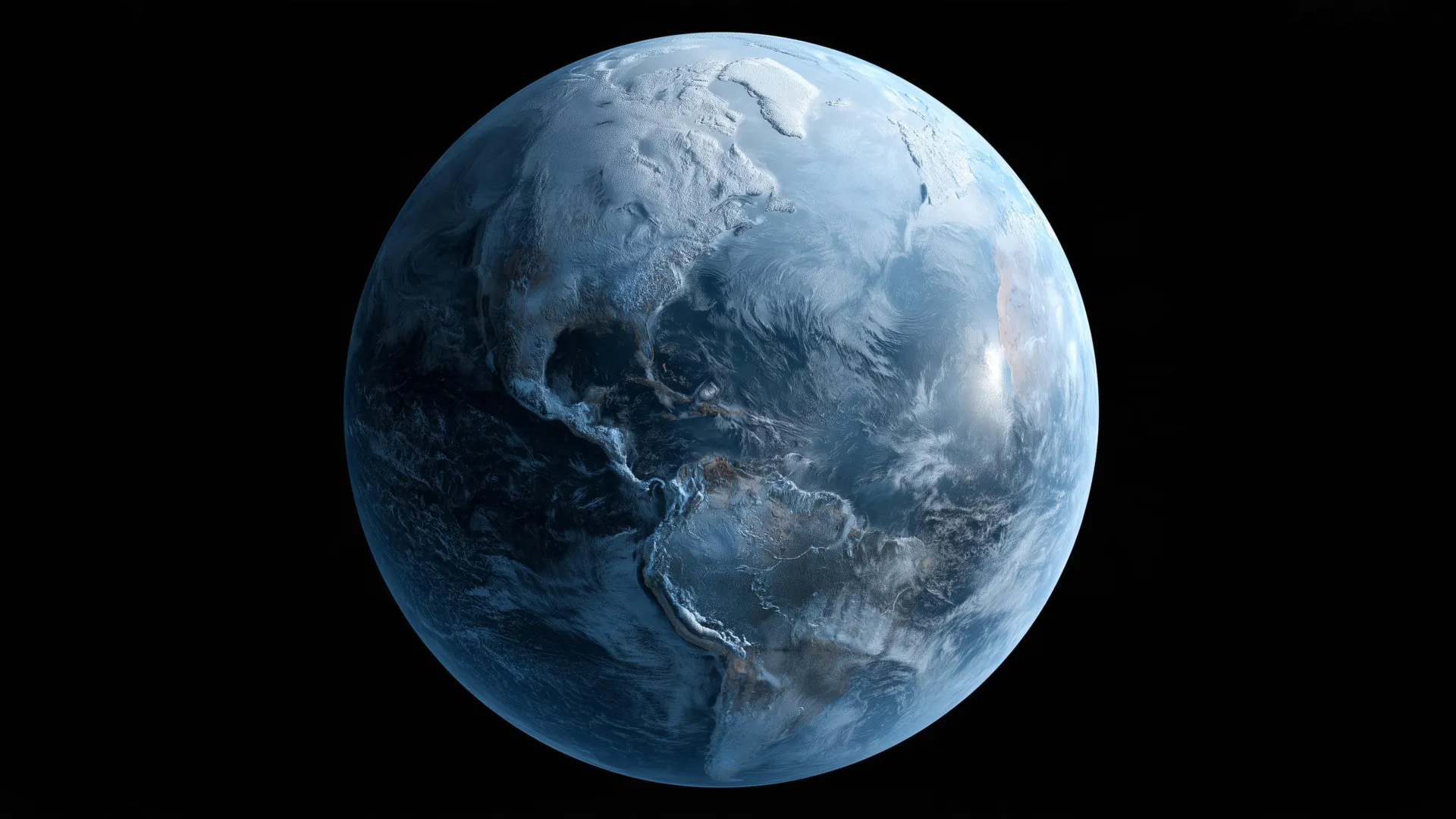
A hidden ocean chain reaction linked Earth's poles to trigger ice ages
A climate chain reaction linking Earth's poles has been mapped, revealing how Northern Hemisphere ice sheets may have triggered past ice ages. As those massive ice sheets expanded, they cooled Atlantic waters that traveled south, disrupting Southern Ocean circulation. The disruption allowed the ocean to absorb more atmospheric carbon, amplifying global cooling. It is a validated, measurable mechanism that reframes our understanding of planetary climate systems. For deeper context on Antarctic dynamics, see our coverage of Thwaites Glacier's melting patterns.
Deglaciation decoded through global benthic foraminifera isotope synthesis
Foraminifera shells, retrieved from seafloor sediments worldwide, now reveal the precise timing and pacing of the last deglaciation. This global synthesis of high-resolution stable isotope data decodes a period of profound climate transition, offering empirically validated insights into how Earth's systems respond to warming. Understanding these past shifts sharpens our view of present ocean intelligence. For deeper context on how ocean processes govern carbon movement, see our coverage of the ECCO‑Darwin model's multi‑decadal CO₂ flux estimates.
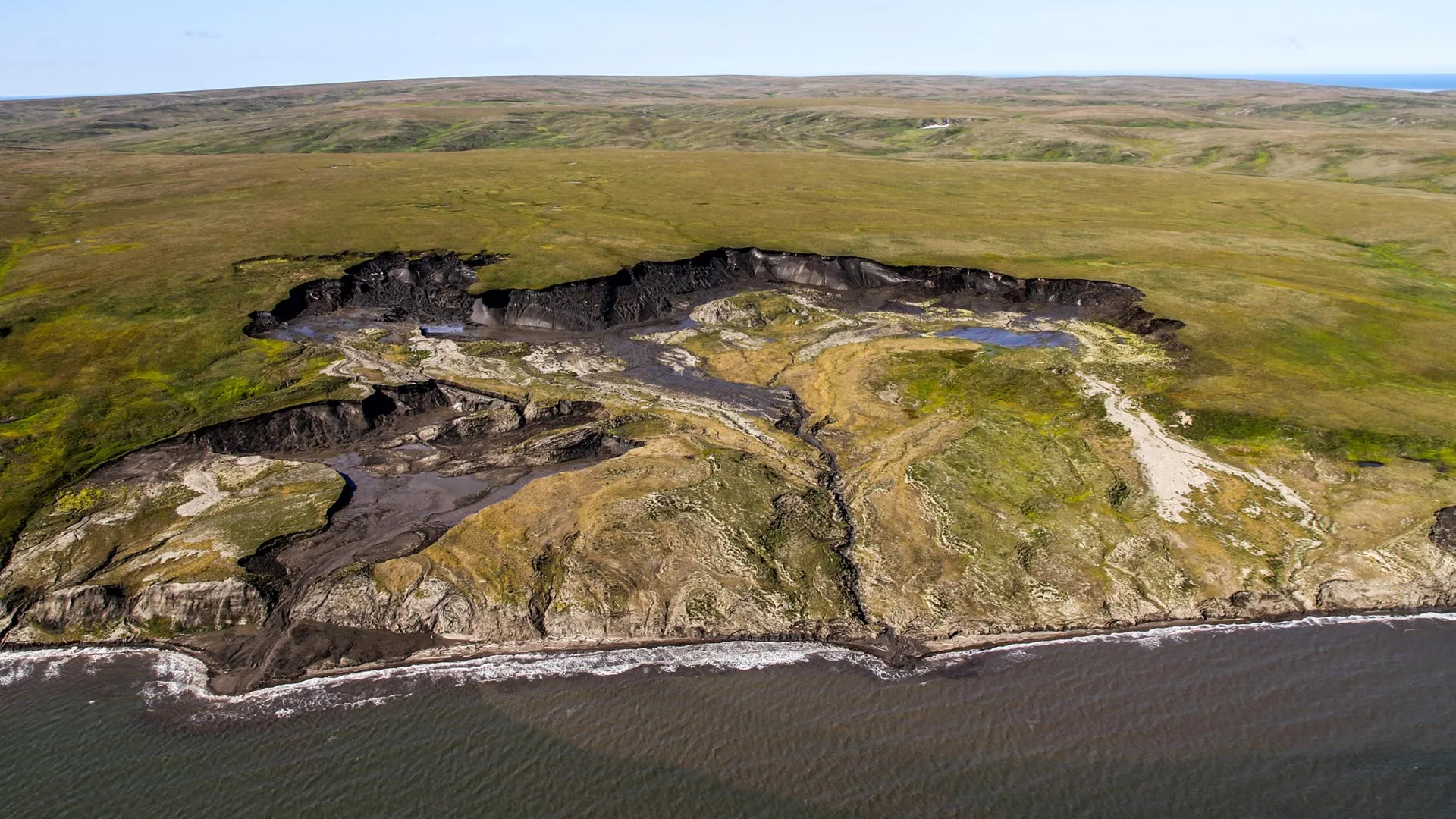
Arctic Carbon Release: Seafloor Sediment Limits Greenhouse Gas Impact
Sediment cores pulled from the seabed near Canada's Herschel Island deliver a measured counterpoint to alarm. Thawing permafrost is releasing ancient carbon into the ocean, yet the data show most of it gets buried in the seafloor, with only about 10 percent converted into greenhouse gases. That distinction matters for climate projections. We read this as a validation of integrated observation, not complacency.