pacific northwest
3 stories filed under pacific northwest on World Data Ocean. The newest of them: “Cascadia’s Subduction Zone Reveals a Fragmented Tectonic Process”, “Seeking Identification: Mystery Sculpin Spotted Near Ketchikan, Alaska”, and “Unidentified Worms and Green Discharge Observed in Washington Clam Harvest”. Off Vancouver Island, scientists have captured a subduction zone in the act of tearing itself apart. A mystery sculpin has surfaced near Ketchikan, Alaska, and the sighting is worth a closer look. A Global Hub for Ocean Intelligence 4 World Data Ocean is a centralized digital platform where researchers, scientists, and ocean enthusiasts converge to… The list below is every pacific northwest story on World Data Ocean, newest first.
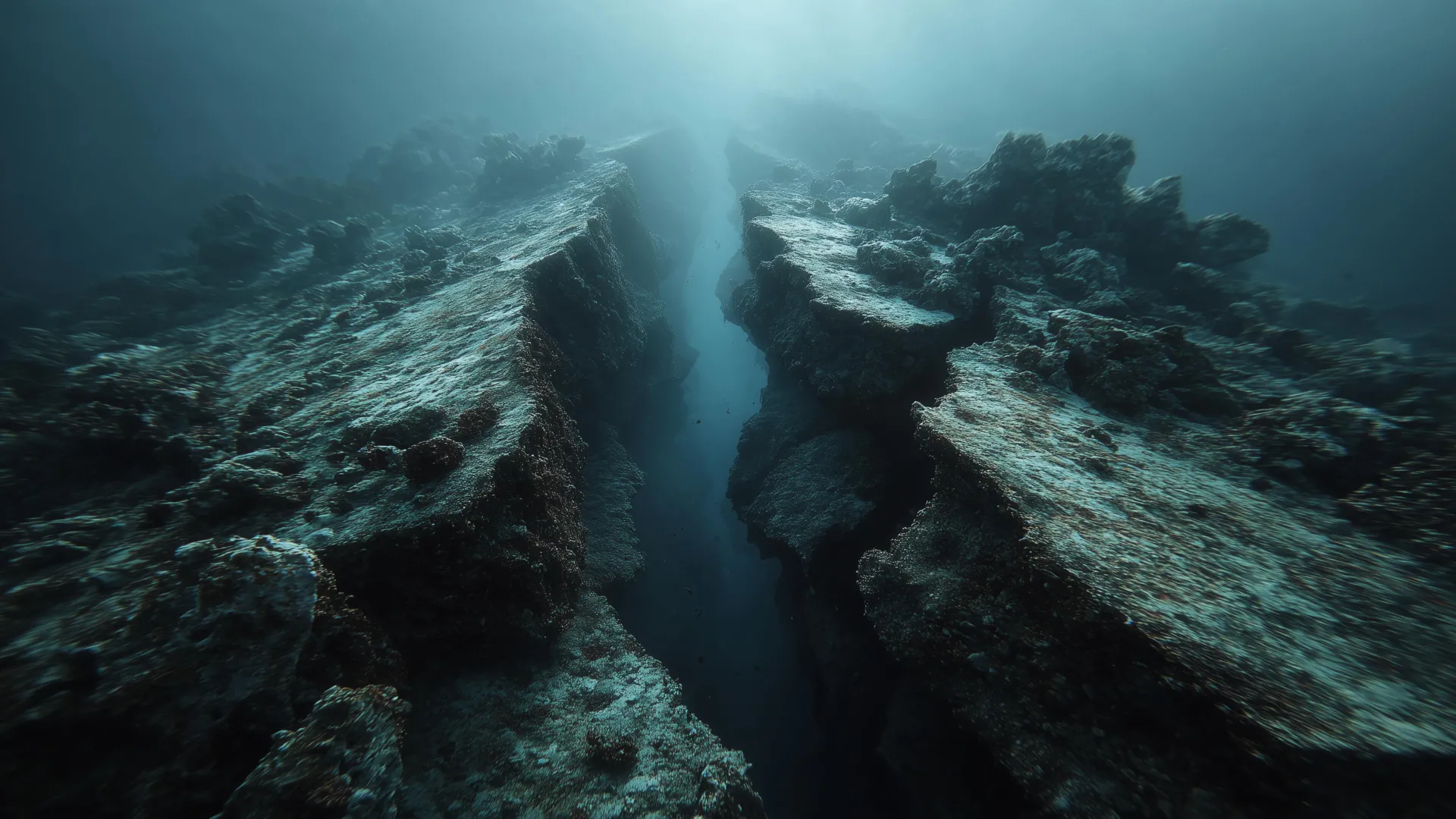
Cascadia’s Subduction Zone Reveals a Fragmented Tectonic Process
Off Vancouver Island, scientists have captured a subduction zone in the act of tearing itself apart. The Cascadia fault is not dying as a single, monolithic system. Instead, new evidence suggests it is fragmenting piece by piece. This process offers a rare window into how ancient plate fragments form and where hidden breaks might influence future seismic activity. Understanding this measured, piecemeal unraveling is key to refining our earthquake models.

Seeking Identification: Mystery Sculpin Spotted Near Ketchikan, Alaska
A mystery sculpin has surfaced near Ketchikan, Alaska, and the sighting is worth a closer look. Submitted by /u/Competitive-Ad750, this identification request turns a single observation into a moment of shared inquiry. We treat such reports as data points, small but measurable contributions to a larger picture of nearshore biodiversity. For context on how Alaska's marine systems are shifting, readers may also explore our piece on Cascadia's Subduction Zone Reveals a Fragmented Tectonic Process. Every record helps calibrate what we know.

Unidentified Worms and Green Discharge Observed in Washington Clam Harvest
A green discharge from an unidentified worm is exactly the kind of observation that turns a routine harvest into a field mystery. While working floating bags of clams in Oyster Bay, one of our colleagues netted a specimen, and its unexpected innards sparked genuine curiosity. It is a reminder that even familiar ecosystems hold gaps in our empirical knowledge. Observations like this are why we value integrated data ecosystems; documenting the anomaly is the first step toward understanding it.