Oregon
2 stories filed under Oregon on World Data Ocean. The newest of them: “Cascadia and San Andreas: Linked Earthquake Risk Emerges from Ocean Data” and “Microcosms of the Pacific: Exploring Oregon's Tide Pool Ecosystems.”. Sediment layers preserved in the ocean floor now suggest that a major Cascadia rupture may have repeatedly triggered a second quake on the San Andreas Fault. At Cape Blanco, Oregon, the tide pools reveal a world that feels almost alien up close. A Global Hub for Ocean Intelligence 4 World Data Ocean is a centralized digital platform where researchers, scientists, and ocean enthusiasts converge to… The list below is every Oregon story on World Data Ocean, newest first.
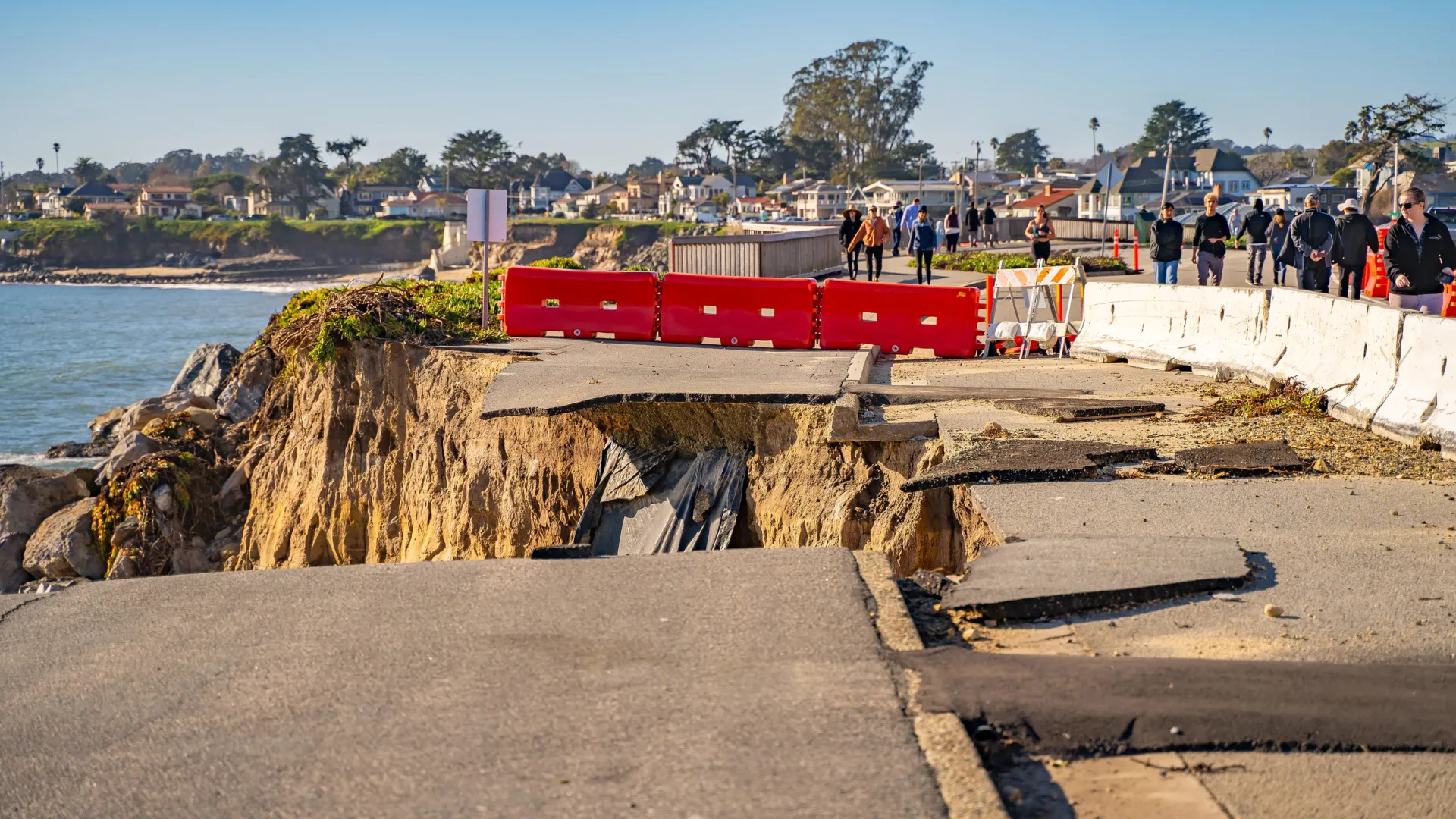
Cascadia and San Andreas: Linked Earthquake Risk Emerges from Ocean Data
Sediment layers preserved in the ocean floor now suggest that a major Cascadia rupture may have repeatedly triggered a second quake on the San Andreas Fault. The pattern, drawn from thousands of years of underwater landslide records, points to a troubling possibility: these two fault systems may not always act alone. The finding reframes how we understand seismic risk along the West Coast.

Microcosms of the Pacific: Exploring Oregon's Tide Pool Ecosystems.
At Cape Blanco, Oregon, the tide pools reveal a world that feels almost alien up close. This July, photographer /u/JamTrackAdventures captures that otherness, showing how these microcosms shift perspective entirely. Each pool is a calibrated snapshot of life, measurable and immediate. The image reminds us that ocean intelligence starts at the shoreline, where small observations build larger understanding. For those exploring similar pathways, our related article, "Navigating a Marine Studies BA: Pathways to a Marine Biology Career," offers practical direction.