ocean data
ocean data on World Data Ocean: a running collection of 315 stories we have gathered and hand-picked because they are worth your time. Every post here touches on ocean data in some way — the news, the analysis, the deep dives, and the occasional surprise find. A Global Hub for Ocean Intelligence 4 World Data Ocean is a centralized digital platform where researchers, scientists, and ocean enthusiasts converge to explore, analyze, and… New stories are added to this page as we find them, so check back if you want to keep up with what is happening around ocean data, or subscribe to the RSS feed to get them as soon as they are published. Browse the collection below, or head back to the homepage to see everything World Data Ocean is covering right now.
How are real-time ocean monitoring systems used in oceanography research?
Real-time ocean monitoring systems play a crucial role in oceanography research by providing continuous data on various ocean conditions. These systems, which include advanced buoys and sensors, collect vital information such as temperature, wave patterns, and environmental factors. This real-time data is invaluable for understanding ocean dynamics, conducting climate studies, and monitoring marine environments. By facilitating immediate access to empirical information, these technologies enhance our ability to respond to changes and challenges in ocean health.
Looking for ocean drift modelling expertise (real case, guidance needed)
Subject: Seeking Expertise in Ocean Drift Modelling Hello everyone, I am seeking guidance from those experienced in ocean drift modelling or coastal hydrodynamics regarding a real-world case at Lalla Maryem Beach in Casablanca, Morocco. Specifically, I am looking for insights on how to approach drift modelling for a person swept into the sea on January 28th. Key areas of interest include essential data sources (currents, wind, tides), suitable tools (such as OpenDrift and OceanParcels), and critical considerations for coastal areas like Casablanca.
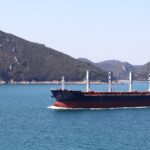
Barbadian-Flagged Bulk Carrier Hit By Gunfire In Strait Of Hormuz, Sailor Says “We Were Attacked”
A Barbadian-flagged bulk carrier was reportedly struck by gunfire while navigating the Strait of Hormuz, prompting a sailor onboard to declare, “We were attacked.” The incident underscores the growing tensions in this strategically vital maritime corridor. Notably, the vessel had raised Chinese flags as a precautionary measure, a tactic often employed in high-risk zones to mitigate potential threats. This event highlights the precarious nature of shipping in contested waters, where geopolitical factors can significantly impact maritime safety and operations.
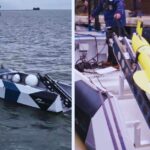
World’s First Autonomous Launch Of An Ocean Glider From An Uncrewed Surface Vessel
British tech firm ZeroUSV has achieved a groundbreaking milestone with the world’s first autonomous launch of an ocean glider from an uncrewed surface vessel (USV). This innovative operation signifies a significant advancement in ocean exploration technology, enabling real-time data collection and analysis with enhanced efficiency. By integrating autonomous systems, ZeroUSV demonstrates a commitment to revolutionizing marine research and environmental monitoring.
Watch: US Military Launches Another Deadly Strike On Suspected Drug Boat, Killing 2 & Leaving 1 Survivor
On March 19, the U.S. military conducted a targeted operation against a vessel suspected of being involved in drug trafficking, resulting in the deaths of two individuals and leaving one survivor. This action is part of an ongoing campaign aimed at disrupting narcotics trafficking routes and enhancing national security. The military's strategic approach underscores the seriousness of combating drug-related activities at sea, highlighting the intersection of maritime operations and law enforcement. This incident emphasizes the importance of coordinated efforts to address transnational crime effectively.
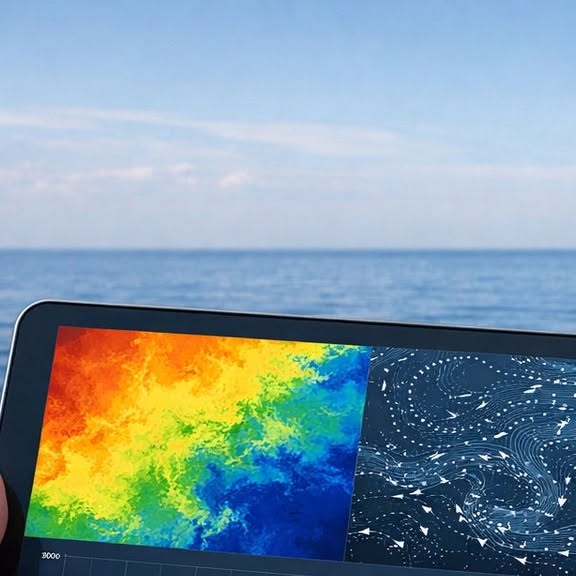
Precision data is the difference between guesswork and real-time protection. Historically, marine policy has often lagge...
Precision data transforms guesswork into proactive, real-time protection for our oceans. Historically, marine policy has struggled to keep pace with rapid environmental shifts, but "Ocean Intelligence" is changing that narrative. At World Data Ocean, we understand that informed decisions stem from validated scientific data. By delivering real-time insights on everything from deep-sea temperature variations to ocean chemistry, we equip policymakers with the empirical tools necessary for effective action.
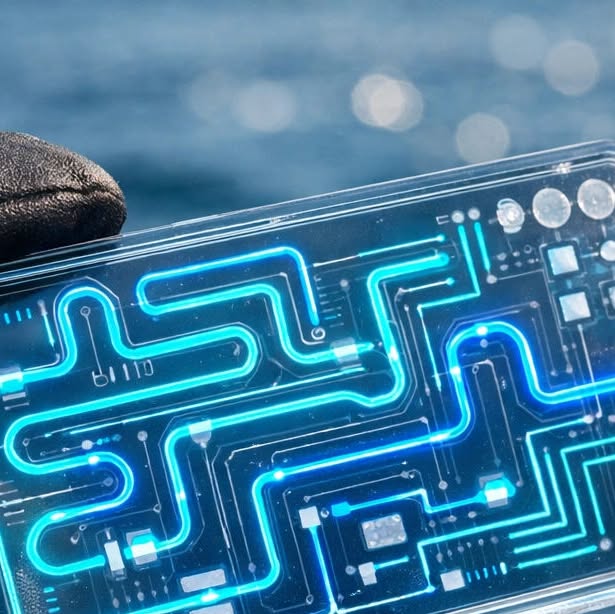
Imagine shrinking a whole marine chemistry lab down to the size of your thumb. That’s exactly what’s happening with "Lab...
Imagine condensing an entire marine chemistry lab into a device the size of your thumb. This is the transformative potential of Lab-on-a-Chip (LoC) technology, revolutionizing oceanography. Traditionally, high-quality chemical and biological data collection required extensive ship time and manual sampling. Now, these compact, autonomous sensors can be seamlessly integrated into ocean gliders and buoys, delivering real-time measurements of pH, nutrients, and trace metals, even in remote areas.
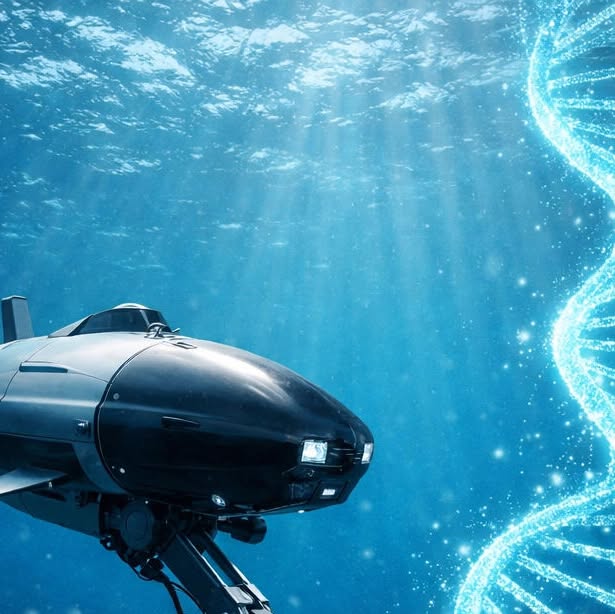
Ever wonder what’s actually swimming in those deep blue waters without having to catch a single fish? Welcome to the era...
Ever wonder what lies beneath the ocean's surface without needing to catch a single fish? Welcome to the era of 'Ocean CSI.' At World Data Ocean, we are harnessing the power of environmental DNA (eDNA) to transform our understanding of marine ecosystems. By deploying autonomous underwater vehicles (AUVs) to collect water samples, we can detect DNA traces from marine life, enabling us to identify rare species and monitor biodiversity trends in real-time.
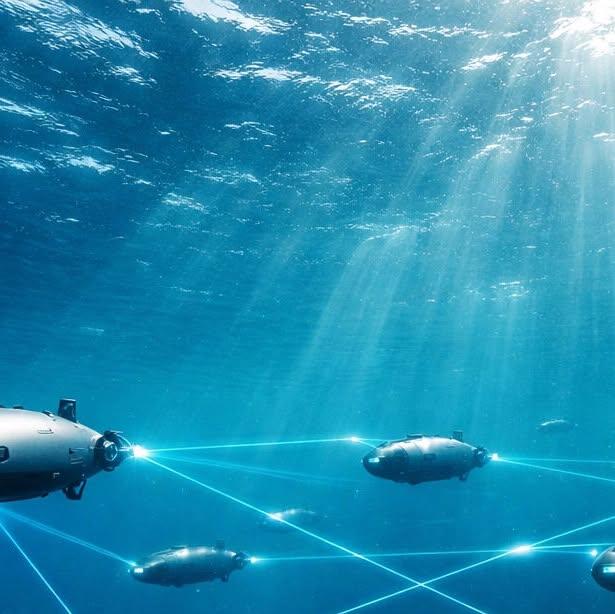
From solo ships to robotic swarms: the way we explore the ocean is fundamentally changing. Decades of ocean science reli...
The exploration of our oceans is undergoing a transformative shift, moving from traditional research vessels to sophisticated autonomous robotic fleets. This evolution, driven by Ocean Infinity Operations, enables coordinated, real-time data integration, vastly improving our ability to monitor environmental indicators with validated accuracy. Rather than relying on isolated snapshots, we now access a dynamic living data ecosystem that empowers researchers and scientists to make informed decisions about our planet’s future.
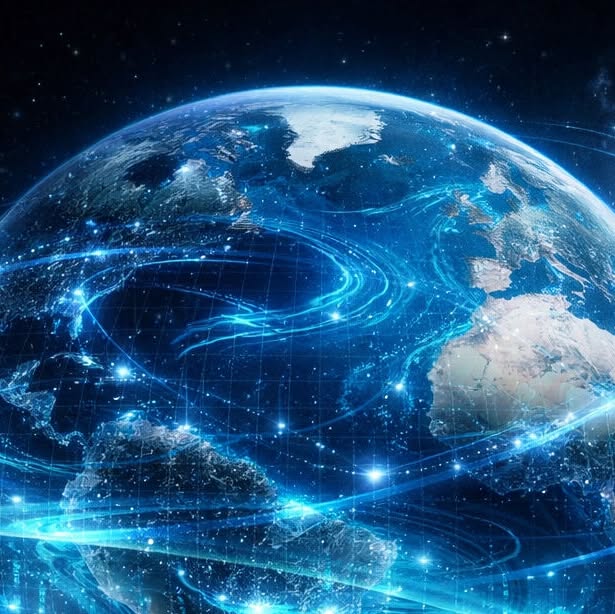
Imagine a living, breathing model of our ocean that predicts changes before they happen. This is the 'Digital Twin' of t...
Imagine a living, breathing model of our ocean that anticipates changes before they occur—this is the 'Digital Twin' of the ocean, a pivotal element of the UN Ocean Decade. At World Data Ocean, we are transforming raw data into actionable intelligence by merging validated scientific datasets with real-time sensors. This innovative platform enables researchers, policymakers, and industry leaders to explore complex marine ecosystems through an interactive, predictive tool. Together, we are fostering a more transparent and sustainable ocean for future generations. Discover more at worlddataocean.com.
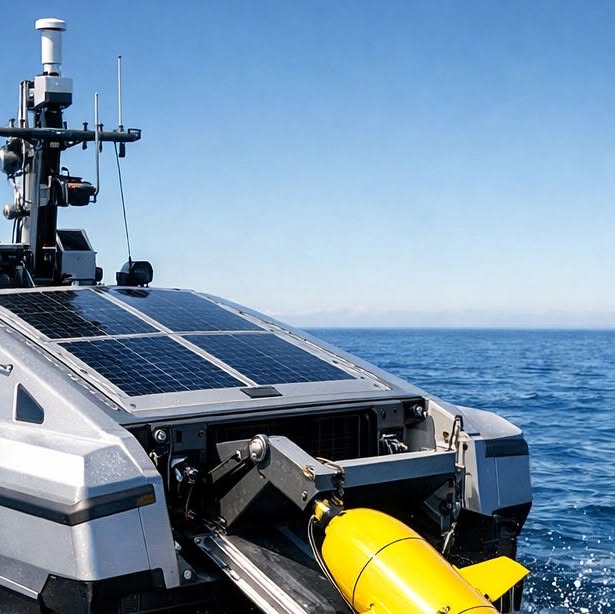
Imagine a team of scientists that never sleeps, doesn't get seasick, and explores the deepest corners of our blue planet...
Imagine a team of scientists that operates tirelessly, exploring the deepest corners of our blue planet without the constraints of seasickness or fatigue. This is the reality of autonomous marine science today, where surface vessels act as mobile hubs, deploying fleets of underwater gliders and aerial drones in a synchronized effort to map our oceans. At World Data Ocean, we transform the data collected from these advanced technologies into validated ocean intelligence, enhancing our understanding and stewardship of marine environments like never before.
north.io's Ocean Data Platform Revolutionises Ocean Data Processing
North.io's Ocean Data Platform revolutionizes the processing of oceanic information by integrating cutting-edge technology with robust scientific methodologies. This innovative platform enables real-time access to validated and calibrated ocean data, facilitating informed decision-making for researchers, policymakers, and environmentalists. By fostering global collaboration, North.io enhances our understanding of climate indicators and ocean health, promoting effective stewardship of marine ecosystems. With a commitment to empirical research and measurable outcomes, the platform stands at the forefront of ocean intelligence, driving impactful solutions for a sustainable future.
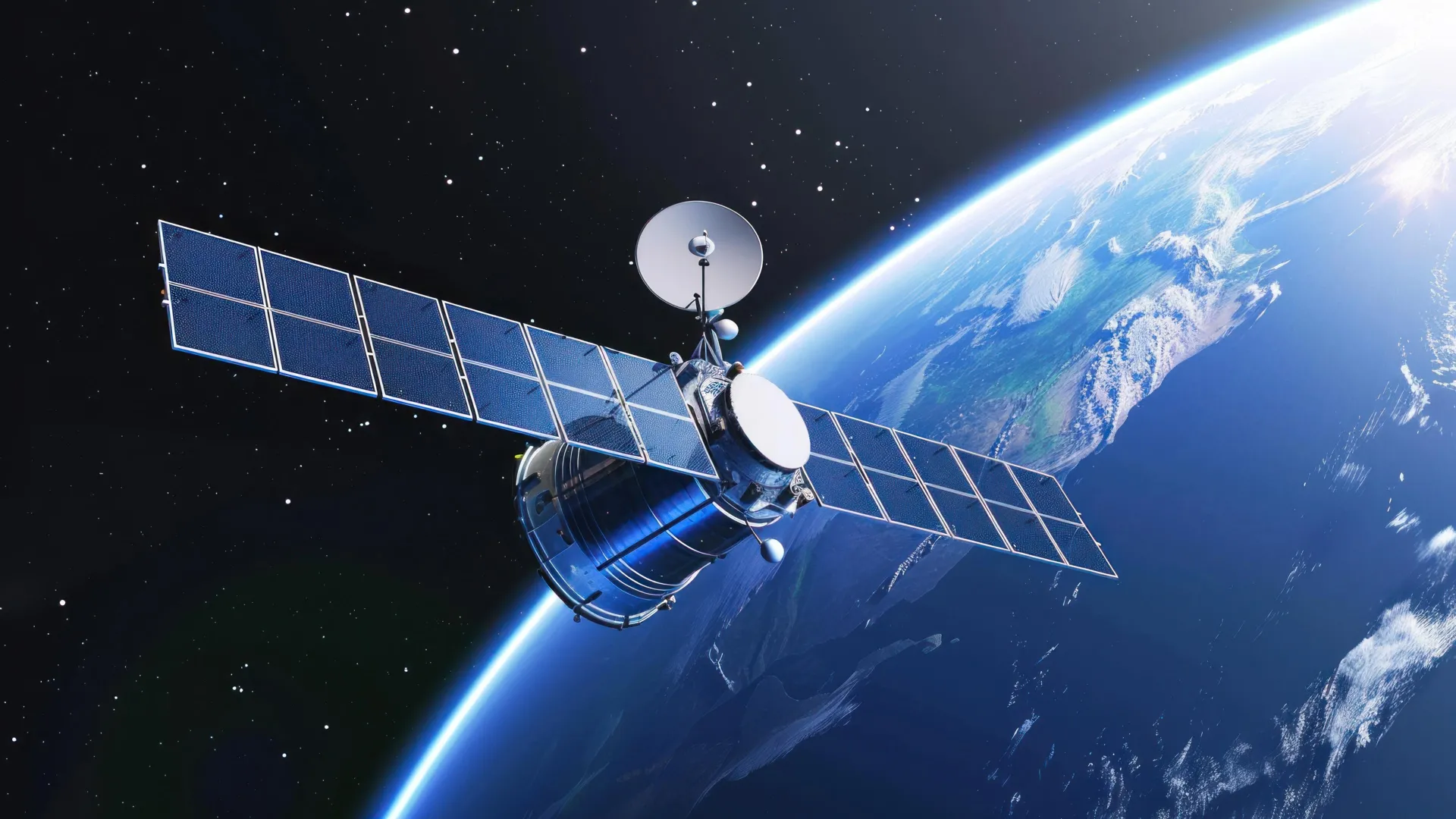
Laser satellites expose a secret Antarctic carbon burst
A groundbreaking study utilizing laser satellite technology and AI analysis has unveiled a significant increase in carbon dioxide emissions from the Southern Ocean during winter, revealing that prior estimates may have underestimated these emissions by 40%. For the first time, scientists can observe and quantify carbon release in the polar darkness, fundamentally altering our understanding of the ocean's carbon balance.

Earth is slowly peeling its continents from below, fueling ocean volcanoes
Recent research reveals a groundbreaking insight into Earth's geological processes: continents are not only splitting at the surface but are also peeling from below, which fuels volcanic activity in the oceans. Simulations indicate that slow mantle waves strip continental roots and push them deep into the oceanic mantle. This hidden recycling process, confirmed by data from the Indian Ocean, can persist for tens of millions of years.
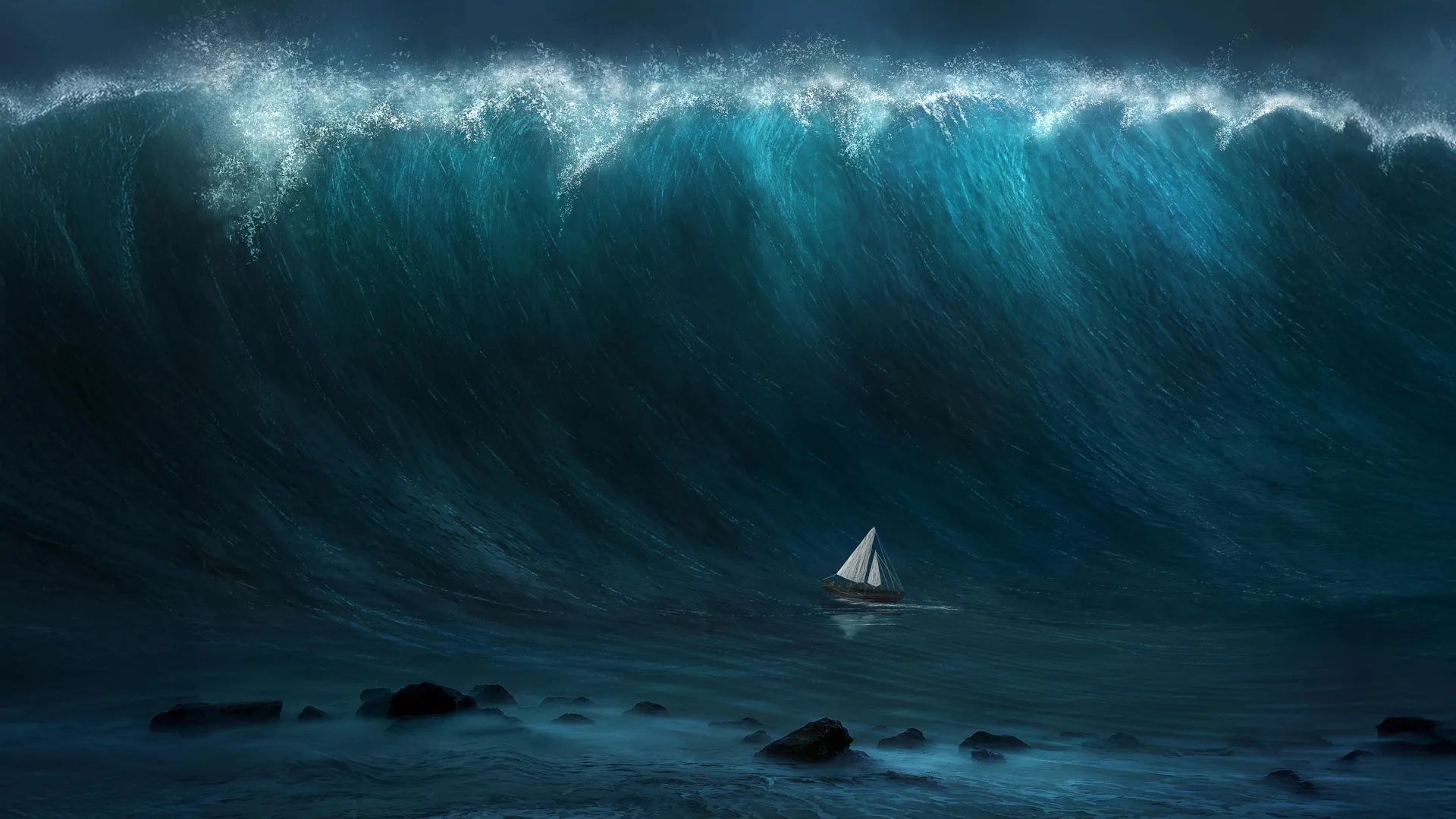
A NASA satellite caught a giant tsunami doing something scientists didn’t expect
A recent earthquake near Kamchatka provided a unique opportunity for scientists to analyze tsunami behavior through data captured by NASA’s SWOT satellite. This satellite delivered an unprecedented, high-resolution view of the tsunami as it traversed the Pacific Ocean, revealing a complexity and scattering of waves that challenged prior assumptions. The findings indicate that large tsunamis do not move as singular, stable entities. Additionally, ocean sensors confirmed that the earthquake's rupture extended longer than previously modeled, suggesting significant implications for future tsunami modeling and prediction efforts.
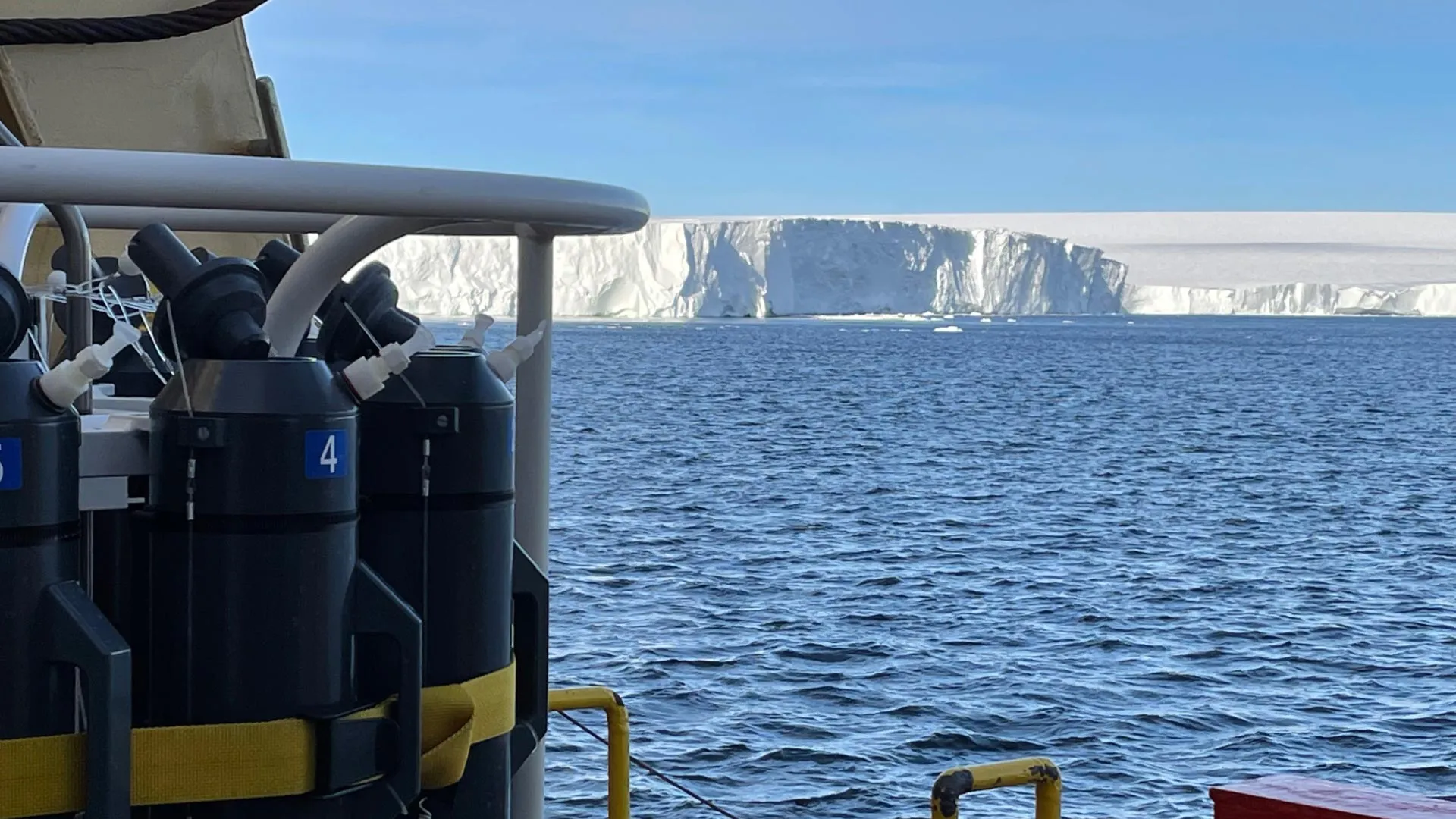
A major climate hope in Antarctica just melted away
Recent research from West Antarctica has challenged a widely held climate theory regarding the melting of glaciers. Previously, it was believed that this meltwater would release iron into the ocean, promoting algae blooms capable of sequestering atmospheric carbon dioxide. However, new field data indicates that the meltwater contributes significantly less iron than anticipated, with most of the iron sourced from deep ocean water and sediments.
How Tuesday Webinar: Coastal and Ocean Acidification Data
Join us for the upcoming Tuesday Webinar on Coastal and Ocean Acidification Data, where we will explore the latest empirical findings and innovative methods in ocean science. This session aims to provide valuable insights into the impacts of acidification on marine ecosystems, emphasizing the importance of real-time data collection and analysis. Our expert speakers will share longitudinal studies and peer-reviewed research, fostering a collaborative dialogue among researchers, policymakers, and ocean enthusiasts. Together, we can enhance our understanding and drive effective ocean stewardship.
Ocean Data Network: Who We Are
The Ocean Data Network is a collaborative initiative dedicated to advancing ocean intelligence through validated scientific data and technological innovation. We unite researchers, policymakers, and ocean enthusiasts to foster a shared understanding of our oceans and the critical role they play in global climate health. By integrating real-time data and peer-reviewed research, we empower stakeholders to make informed decisions that support ocean stewardship. Our commitment to transparency and collaboration underscores the urgency of addressing ocean challenges and promoting sustainable practices for future generations.
Ocean Data Factory Webinar - Law as Facilitator (or Obstacle) for Science-based Marine Governance
Join us for the Ocean Data Factory Webinar, "Law as Facilitator (or Obstacle) for Science-based Marine Governance." This session will explore the vital interplay between legal frameworks and marine science, addressing how laws can both enhance and hinder effective ocean governance. Experts will share insights on integrating scientific data into policy-making, emphasizing the need for collaboration across disciplines. By understanding these dynamics, we can better navigate the challenges of marine stewardship and foster a sustainable future for our oceans.
Ocean Data Factory Webinar Series - Survey of Oysters along the Swedish West Coast Using Towed Video
Join us for the Ocean Data Factory Webinar Series, featuring a compelling presentation on the survey of oysters along the Swedish West Coast using towed video technology. This innovative approach provides real-time, high-resolution insights into oyster habitats, enhancing our understanding of marine ecosystems. By integrating empirical data with collaborative research efforts, we aim to foster effective ocean stewardship. Engage with leading experts as they share findings and discuss the implications for sustainable management of these vital resources.
Ocean Data Factory Webinar - PELADRONE:transforming Portuguese SME fisheries and coastal communities
Join us for the Ocean Data Factory Webinar, featuring PELADRONE, a groundbreaking initiative aimed at transforming Portuguese small and medium-sized enterprise (SME) fisheries and coastal communities. This session will explore how integrated ocean intelligence and innovative technologies can enhance sustainable practices, support local economies, and foster resilience in the face of climate change. Our expert speakers will share insights on empirical data and real-time solutions that empower stakeholders to make informed decisions for the future of our oceans. Together, we can drive meaningful change.
Ocean Data Factory Webinar - Wildlife.ai: Using AI to accelerate wildlife conservation
Join us for the Ocean Data Factory Webinar, where we explore "Wildlife.ai: Using AI to Accelerate Wildlife Conservation." This session will delve into how advanced artificial intelligence technologies can enhance our understanding of wildlife dynamics and support conservation efforts. By integrating real-time data and empirical research, we aim to foster innovative solutions that bolster wildlife protection. Engage with experts in the field, and discover how collaborative efforts can drive impactful change for our oceans and the diverse species that inhabit them.
Ocean Data Factory Webinar - Opening up marine science
Join us for the Ocean Data Factory Webinar, where we will explore the transformative potential of open marine science. This session aims to enhance collaboration and innovation by providing access to validated ocean intelligence and integrated data ecosystems. Experts will share insights on how empirical methodologies and real-time data can drive informed decision-making and foster global stewardship of our oceans. Together, we can unravel complex challenges, ensuring a sustainable future for marine environments. Your participation is vital to advancing our collective understanding and responsibility.
Ocean Data Factory Webinar - Swedish Biodiversity Data Infrastructure
Join us for the Ocean Data Factory Webinar, where we will explore the Swedish Biodiversity Data Infrastructure's vital role in advancing ocean intelligence. This session will highlight innovative approaches to integrating biodiversity data, promoting collaboration among researchers, policymakers, and conservationists. Participants will gain insights into validated methodologies that enhance understanding of marine ecosystems and their responses to climate change. Together, we can foster a shared commitment to ocean stewardship and drive impactful solutions for a sustainable future.