ocean conservation
ocean conservation at World Data Ocean is a file of 10 stories. The newest of them: “Closing the data gap: disclosure as a calibrated step toward ocean action”, “Cruise fleet expands its role as a calibrated platform for ocean intelligence”, and “Open Source Data Charts a Measurable Course for Global Ocean Mapping”. Disclosure is a calibrated step, not a final destination. Royal Caribbean Group's cruise fleet is now a calibrated platform for ocean intelligence, extending its collaboration to capture critical conservation data onboard its ships. A Global Hub for Ocean Intelligence 4 World Data Ocean is a centralized digital platform where researchers, scientists, and ocean enthusiasts converge to… The list below is every ocean conservation story on World Data Ocean, newest first.
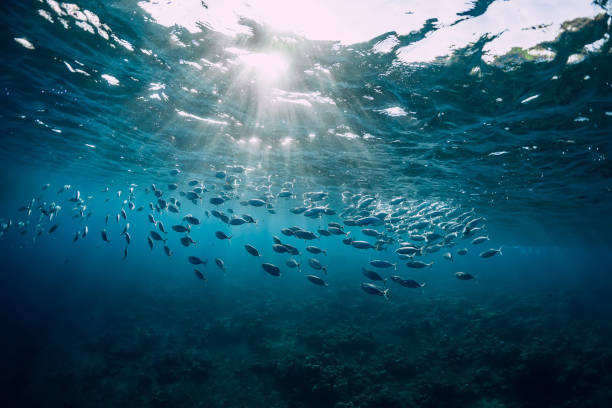
Closing the data gap: disclosure as a calibrated step toward ocean action
Disclosure is a calibrated step, not a final destination. This World Ocean Day, the conversation shifts from identifying the data gap to closing it, because what gets measured gets managed. Measuring the ocean's warming pulse at 2,000 meters gives us the empirical evidence needed for real action. We cannot protect what we do not understand. Transparency builds trust. A shared, measurable data ecosystem turns observation into obligation, making ocean stewardship not just urgent, but achievable.

Cruise fleet expands its role as a calibrated platform for ocean intelligence
Royal Caribbean Group's cruise fleet is now a calibrated platform for ocean intelligence, extending its collaboration to capture critical conservation data onboard its ships. This is empirical science at scale, measurable, real-time data collected where the ocean meets industry. Understanding drives protection, and this partnership delivers validated climate indicators from orbit to ocean floor. For deeper context, our coverage of the newly appointed global experts calibrating the Ocean Decade's path for integrated data stewardship complements this story well.

Open Source Data Charts a Measurable Course for Global Ocean Mapping
A new open-source data framework charts a measurable course for global ocean mapping, turning fragmented observations into a coherent, integrated data ecosystem. This isn't abstract theory, it's a calibrated, peer-reviewed foundation for action. We see this as essential to building ocean intelligence. For a deeper look at how empirical data traces pollution back to its sources, see our related piece, "Tracing ocean plastic to its land-based sources via empirical data." Understanding drives protection.
Calibrating our ocean intelligence for a sustainable data ecosystem
Every ocean dataset carries a hidden cost: the energy, materials, and infrastructure required to collect, store, and process it. Unchecked data growth risks undermining the very sustainability we seek to measure. Calibrating our ocean intelligence means building an integrated data ecosystem where every byte is validated, measurable, and purpose-driven. We must treat data stewardship as seriously as ocean stewardship. For deeper context, our coverage of "From orbit to ocean floor" examines how integrated observations strengthen Earth system predictions without expanding our footprint.

AI models and integrated data track shoreline debris at scale
Every piece of plastic on a beach tells a story, and now AI is reading that story at scale. By integrating real-time data streams with machine learning, we can track shoreline debris across vast coastlines, transforming scattered observations into validated, actionable ocean intelligence. This isn't just cleanup; it's empirical calibration of a global problem. For deeper context on how integrated data ecosystems make this possible, explore our coverage of Apeiron Labs' recent Series A to scale their ocean data platform.
Eleven data-driven innovations sharpen our ocean intelligence
Eleven measurable innovations are sharpening our ocean intelligence. From validated carbon tracking systems to data-driven models revealing how the atmosphere forces ocean dynamics, each tool adds a calibrated layer to our understanding. These are not abstract concepts, they are empirical, peer-reviewed advances that make ocean stewardship actionable. The Ocean Carbon and Acidification Data System in *Nature* exemplifies this: validated data powering a measurable path forward. Understanding drives protection. From orbit to ocean floor, the evidence is building.
The 25-Day Countdown to Shape Deep Sea Mining's Future
Twenty-five days remain for public comment on The Metal Company's deep sea mining application, yet only 228 submissions have landed. That number stands in stark contrast to previous notice periods, where online campaigns generated thousands of responses. The silence is puzzling, especially given the surge of TikTok awareness earlier. One wonders if the urgency faded or if the conversation simply migrated. For those seeking deeper context, our related piece on verifying historical deep-sea claims offers a useful parallel.

Aquabots: Engaging Young Players with Real Ocean Science and Conservation.
Aquabots turns play into purpose. Built inside Roblox, the game sends players on drone-led coral restoration missions, pairs them with a battle system, and opens an aquarium where fish, corals, and fossils are explained through verified research. A trivia quiz rewards correct answers with in-game currency, keeping learning tied to action. The goal is direct: counter the platform's brainrot with something measurable. For those tracing how species persist, the fossil record offers context, including recent findings on feathered dinosaurs. Curiosity, here, is the real currency.

Global Educators Access Ocean Research Through TRACX Program
The TRACX Program at Columbia University gives educators worldwide a direct route into ocean science research, turning classroom walls into windows on the deep sea. That matters. Teachers who engage with real-time, peer-reviewed data can bring climate indicators and ocean intelligence back to students who might otherwise never see the coast. It is a practical step toward shared responsibility. For those exploring career pathways, our related piece on international master's programs offers a useful complement. This is how knowledge moves: from lab to lesson plan.

K Line Employees Contribute to Global Ocean Plastic Cleanup Effort
On World Oceans Day, 630 K Line employees and their families traded their usual routines for shoreline cleanup efforts, turning corporate responsibility into measurable action. This is the kind of initiative that moves the needle, not with grand promises, but with coordinated, hands-on participation. It's a practical reminder that ocean health depends on collective effort, whether that's picking up debris or pushing for stronger governance. For those tracking the broader picture, our piece on MPA Networks highlights how such grassroots action complements larger conservation frameworks.