ocean carbon cycle
2 stories filed under ocean carbon cycle on World Data Ocean. The newest of them: “Sticky marine snow locks six times more carbon in the deep ocean” and “ECCO‑Darwin model delivers first multi‑decadal global ocean CO₂ flux estimates”. Sticky marine snow is no ordinary fluff. For the first time, a single model has delivered multi‑decadal global ocean CO₂ flux estimates. A Global Hub for Ocean Intelligence 4 World Data Ocean is a centralized digital platform where researchers, scientists, and ocean enthusiasts converge to… The list below is every ocean carbon cycle story on World Data Ocean, newest first.
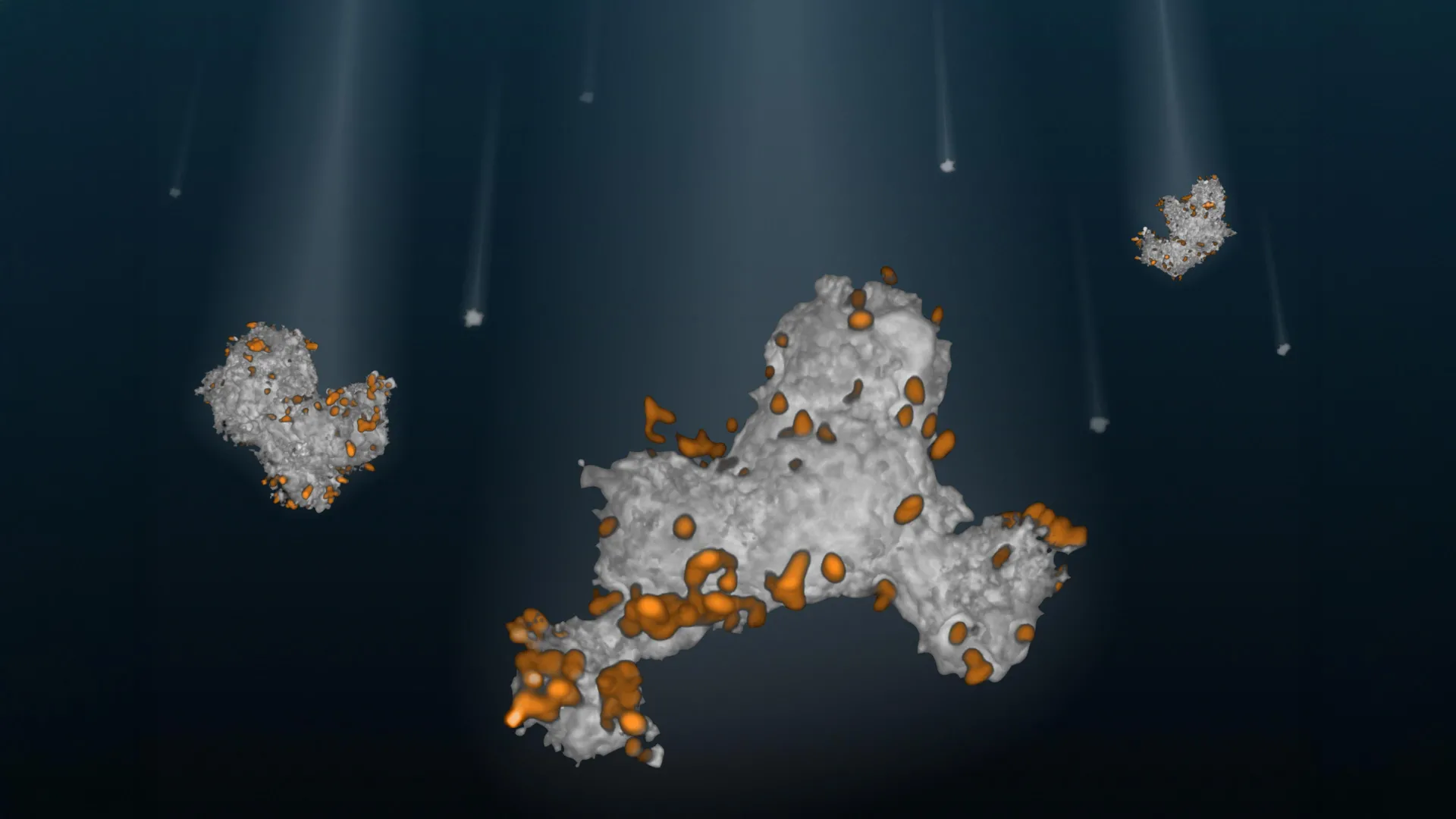
Sticky marine snow locks six times more carbon in the deep ocean
Sticky marine snow is no ordinary fluff. Researchers have found that gooier particles resist bacterial breakdown, locking more than six times as much carbon in the deep ocean. This unexpected link between ocean slime and climate stability underscores how much we still have to learn about the ocean's carbon cycle. For a broader view of how ocean processes connect, see our related piece on calibrating ocean data: standards for a shared, measurable future.
ECCO‑Darwin model delivers first multi‑decadal global ocean CO₂ flux estimates
For the first time, a single model has delivered multi‑decadal global ocean CO₂ flux estimates. The ECCO‑Darwin data‑assimilative system integrates ocean physics with biogeochemistry, producing validated, peer‑observed records of surface ocean pCO2 from seasons to decades. This is measurable progress toward understanding the ocean's role as a carbon sink. Read how AI models and integrated data track shoreline debris at scale for another view of how integrated data ecosystems sharpen our planetary picture.